 Litia Cava
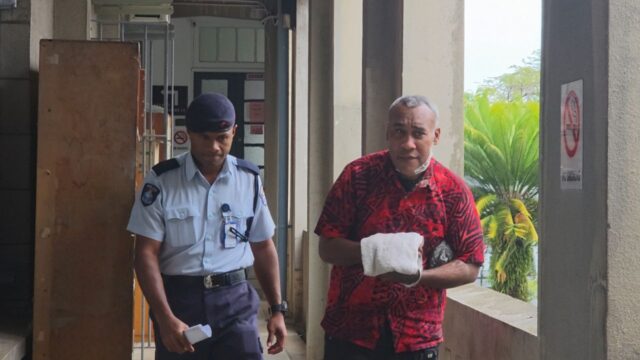
[Photo: File]
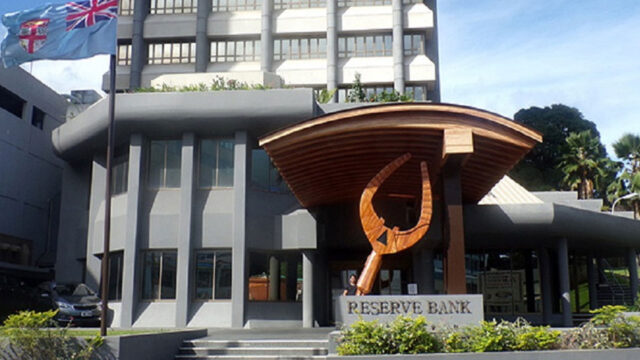
The Commercial Use of Marine Areas Bill could undermine Fiji’s tourism industry and put existing hotel investments at risk.
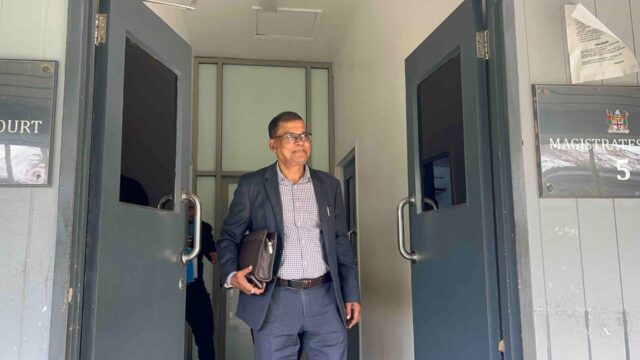
This, according to former Attorney-General Aiyaz Sayed-Khaiyum.
He said it could also weaken confidence among international lenders.
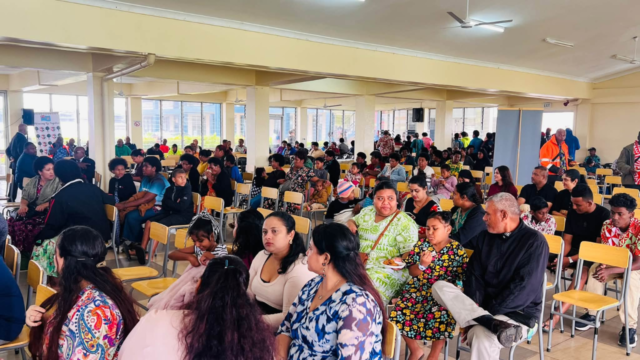
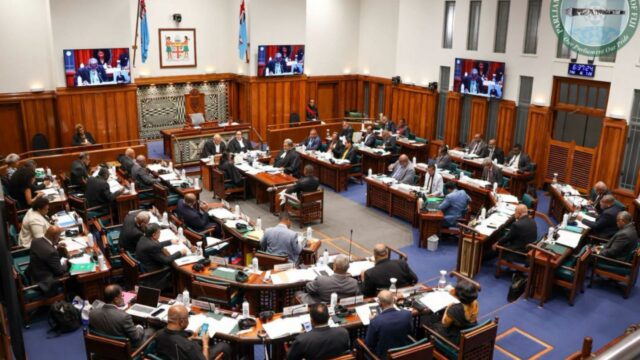
Appearing before Parliament’s Standing Committee examining the Bill, Sayed-Khaiyum said the proposed transfer of proprietary rights over commercial marine areas from the State to the I-Taukei Land Trust Board (TLTB) could fundamentally alter the legal and financial basis on which existing tourism developments operate.
His central concern is the impact on hotels and resorts that already hold foreshore leases and have borrowed heavily against their properties.
Sayed-Khaiyum said a hotel operator could have invested millions of dollars in a property based on an existing foreshore lease, with the value of that lease taken into
account by banks when providing finance.
Under the proposed framework, however, the marine area could ultimately be vested in TLTB, which would then have the power to grant a lease or licence over the area on terms it determines.
He questioned what would happen if the existing hotel operator was not given continued access to the marine area.
“If somebody spent $70 million building this hotel with the view that they’ll be having access to that, what’s going to happen to my investment?”
Sayed-Khaiyum said the concern went beyond individual hotels.
He warned that international banks could reassess the security supporting loans to tourism operators if the legal rights attached to those properties were altered.
He noted that most commercial banks operating in Fiji are foreign-owned and argued that uncertainty over the security attached to tourism properties could ultimately affect decisions made at their overseas headquarters.
The former Attorney-General also criticised the Bill for what he described as excessive bureaucracy and uncertainty.
He said the proposed process involved multiple layers of applications, negotiations, approvals and compliance requirements, creating uncertainty for investors, lenders and tourism operators.
Sayed-Khaiyum said the Ministry of Tourism should be particularly concerned because tourism is one of Fiji’s major economic drivers.
He described the sector as the “golden goose” and “cash cow”, warning that measures intended to increase benefits for customary owners should not inadvertently weaken the industry that generates those benefits.
He also questioned whether the Bill was properly consulted on.
Sayed-Khaiyum pointed to the Fiji Hotel and Tourism Association’s submission, which states that industry consultations in 2023 were understood to be focused on reviewing the Surfing Act.
He said issues concerning qoliqoli ownership and broader marine tenure were allegedly outside the scope of those consultations.
He also questioned the Bill’s proposed treatment of existing marine rights and compensation.
Sayed-Khaiyum argued that customary owners could receive greater economic benefits without necessarily transferring proprietary rights and disrupting existing leases.
He said compensation for the use of qoliqoli areas already exists under Fiji’s fisheries framework and should not be confused with the proposed transfer of State-held foreshore rights.
He stressed that qoliqoli owners should be compensated where commercial activity restricts their ability to use their traditional fishing grounds.
But he rejected the suggestion that opposing the Bill meant opposing qoliqoli rights.
“Qoliqoli rights is there,” he said, arguing that those rights should be enforced without creating uncertainty around existing tourism investments.
Sayed-Khaiyum also raised concerns about a provision allowing TLTB to deduct up to 25 per cent of rents and premiums from leases or licences over vested marine areas for collection and administration.
He questioned why such a large deduction should be permitted and warned that it could reduce the returns to landowners.
He said TLTB’s primary responsibility should be to protect landowners’ interests and ensure they receive proper returns from their assets, rather than creating incentives for the institution to generate revenue from those assets.
Another concern was the Bill’s broad definition of marine areas.
Sayed-Khaiyum questioned whether the drafting could have consequences beyond tourism sites, potentially affecting infrastructure and other commercial marine areas.
He cited the Bill’s references to foreshore, internal waters, archipelagic waters, territorial waters, seabed, subsoil, lower airspace and reclaimed land.
He said such broad drafting required much greater clarity on how the proposed law would interact with existing legislation governing land, ports, navigation, fisheries,
minerals and environmental protection.
He also warned that Fiji could not assume investors would remain simply because they had already invested in the country.
Capital, he said, was mobile.
Sayed-Khaiyum said Fiji must protect customary rights while ensuring that the way those rights are implemented does not damage other existing rights.
“Everybody can benefit from the pie,” he said. “But the benefit of one sector taking the benefit of the pie should not be to the detriment of the other.”
He urged the committee to substantially reconsider the Bill before it proceeds, saying the legislation should not be allowed to create uncertainty for tourism operators,
landowners, banks or investors.