 Riya Mala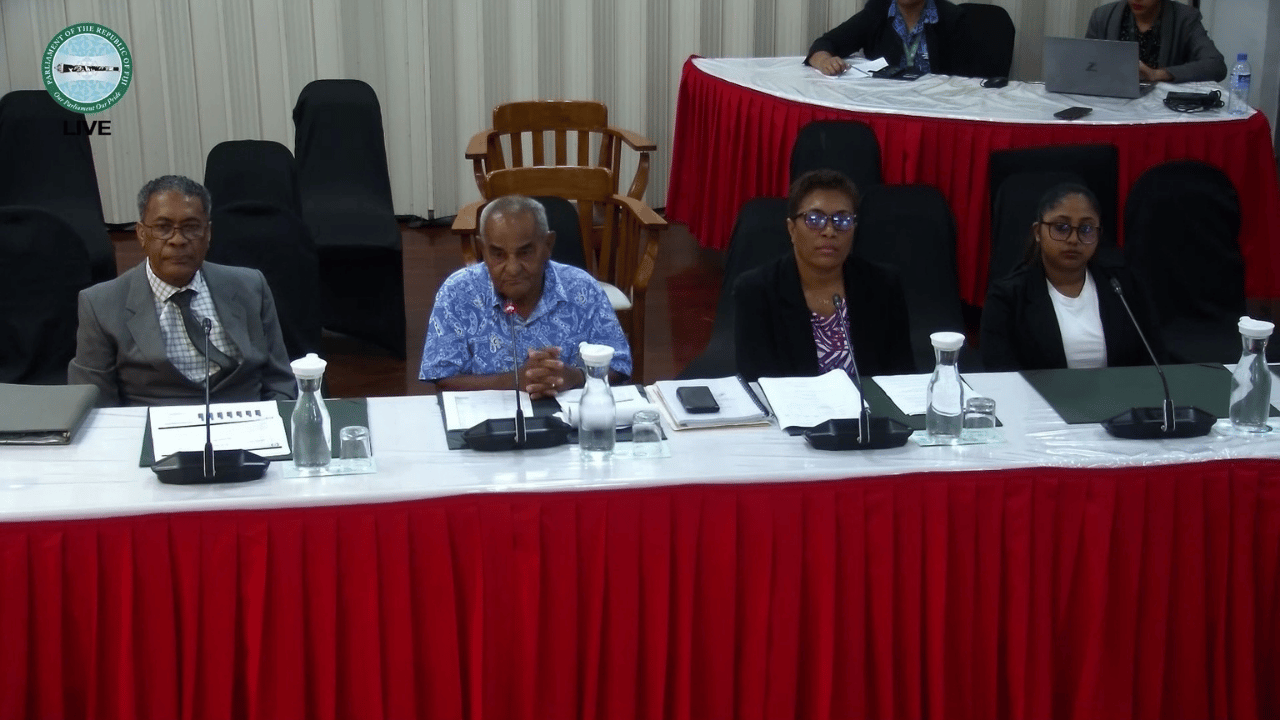
[Photo: FILE]
Sugarcane farmers could receive an initial payment of around $34 per tonne — despite an estimated value of $67 — due to exchange-rate risks and the payment system, according to the Sugar Industry Tribunal.
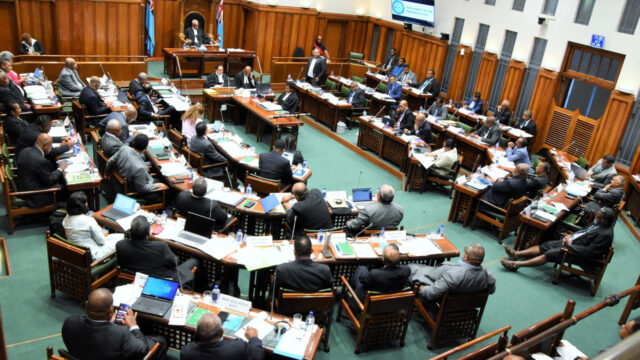
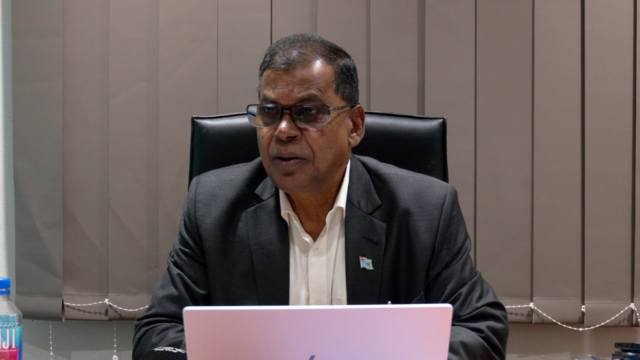
Registrar of the Tribunal and Industrial Commissioner Timothy Brown presented the update while delivering the Sugar Industry Tribunal’s 2021 Annual Report to the Standing Committee on Economic Affairs.
Brown adds that the 2026 forecast relies on expected sugar and molasses sales, projected harvest volumes, and anticipated sugar production.
He says the Tribunal estimates total sugar and molasses revenue at $152.8 million.
After costs and deductions, approximately $147.3 million remains, with growers set to receive 70 percent.
“That is divided, and then, from the growers’ share, they also pay a one-third contribution for SHRIF. That’s the Research Institute. So that’s taken out. And they also have bundle insurance. They have growers that is taken off the top for any issues, burnt houses, and deaths. They have bundle insurance for that.”
He adds that under the Master Award, the base price is reduced by 15 percent to absorb exchange-rate fluctuations.
He says that growers initially receive 60 percent of this adjusted price, followed by a second payment roughly six weeks later.
Standing Committee member Premila Kumar emphasised that farmers are demanding greater transparency regarding forecast calculations, overseas sales volumes, and realised export prices.
“And unfortunately, from that time, with few amendments, we are still carrying on the same mechanism, which is not doing justice to farmers. And even worse is when they have to wait for 16 months or 15 months or whatever time frame to recover all their money from the first year’s crop. So they do have a very valid point in terms of airing their grievances.”
New Sugar Industry Tribunal Chairman Semi Leweniqila says he is concerned that some farmers believe there may be dealings in the forecast price calculation that they are not aware of.
He says representatives of the Sugarcane Growers Council are fully aware of the process.
Leweniqila says the challenge is that the industry measures and pays for sugarcane by weight, but ultimately sells sugar.
He says the weight of sugarcane does not directly translate into the amount of sugar produced.
Tribunal officials stressed that the final cane price cannot be confirmed until all sugar is sold, with the 15 percent margin acting as a buffer against forecasting errors.