 Praneeta Prakash
[Photo: FILE]
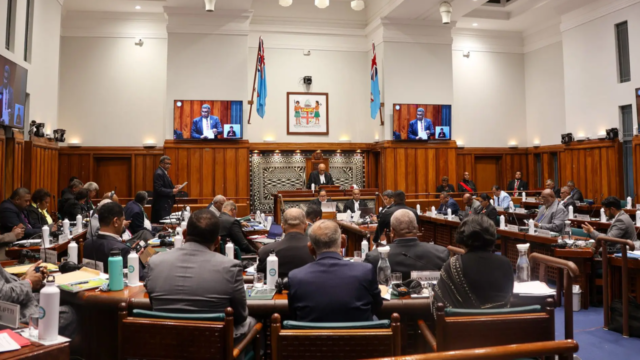
Questions over governance at the Fiji National University were raised in Parliament yesterday, with the Opposition MP Premila Kumar highlighting delays in the university’s council functioning and calling for stronger accountability measures.
Opposition MP Premila Kumar questioned the effectiveness of existing oversight processes, saying delays in council action raised concerns about transparency and governance.
She questioned Education Minister Aseri Radrodro on what procedures were in place to ensure the timely investigation and resolution of issues within the institution.
“In the last parliament session, FNU has been moved to the PM’s office, and until today, there is no FNU council appointed. My question to you is, learning the lesson from this example, what procedures are there in place so that the council investigates the matter in a timely manner? In the case of FNU, the FNU council sat on it for almost one and a half years. Now, that is not transparency, and that is not good governance. So if you can tell us the procedure.”
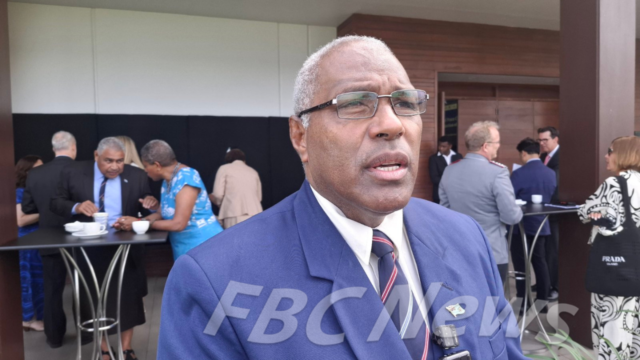
Education Minister Aseri Radrodro says that universities operate under established legal and regulatory frameworks overseen by the Higher Education Commission.
He says governance and accountability mechanisms, including reviews and compliance requirements, are in place to guide institutional management.
“It’s part of the review process in terms of the good governance of the university. So the Fiji Higher Education Commission will be able to undertake this process during the renewal of the universities, as you might be fully aware, where the fit and proper process of individual council members or board members will be taken into consideration.”
The Minister also confirms that a review process involving universities is ongoing, with further assessment work being undertaken.
He also highlighted ongoing reforms such as performance-based funding, mandatory reporting requirements, independent audits, and the use of digital governance systems aimed at improving transparency and accountability.