 Riya Mala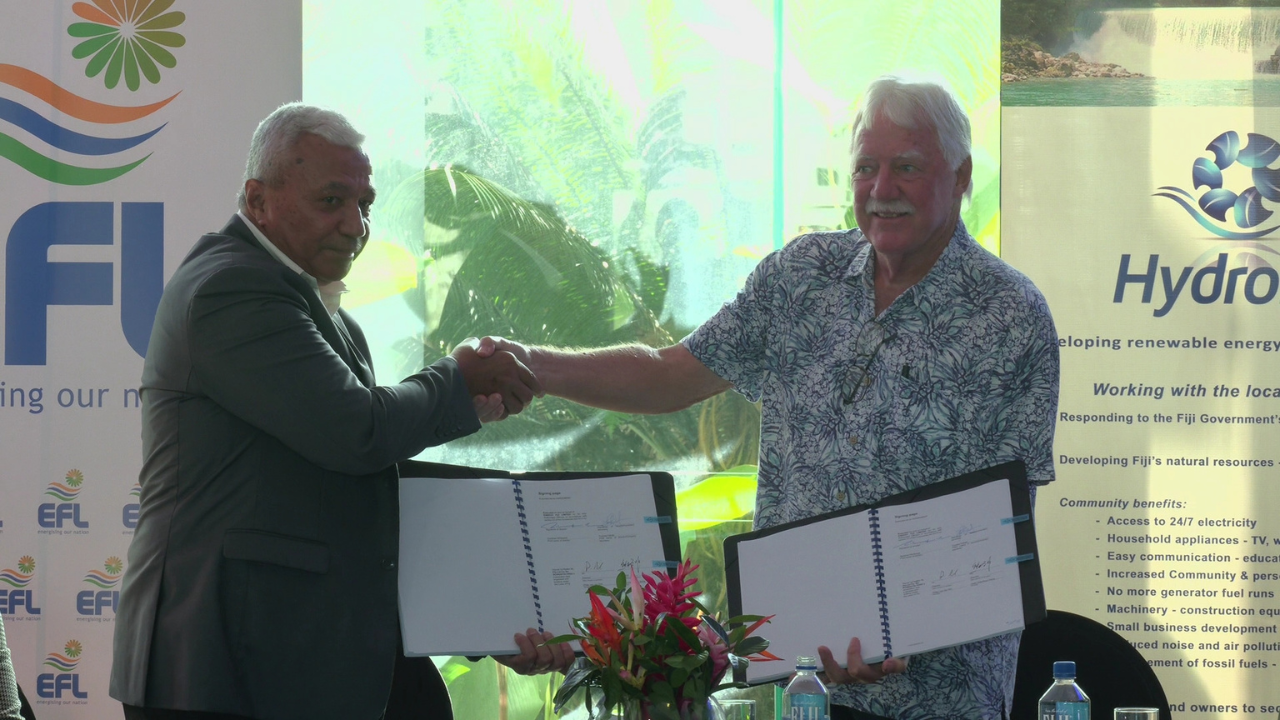
[Photo: SUPPLIED]
Fiji’s transition to clean energy has taken a major step forward, with Energy Fiji Limited signing a power purchase agreement with HydroFiji to develop new hydropower projects in Namosi.
The deal signals a decisive shift away from reliance on imported fossil fuels, as the country works toward its target of generating 90 percent of electricity from renewable sources by 2035.
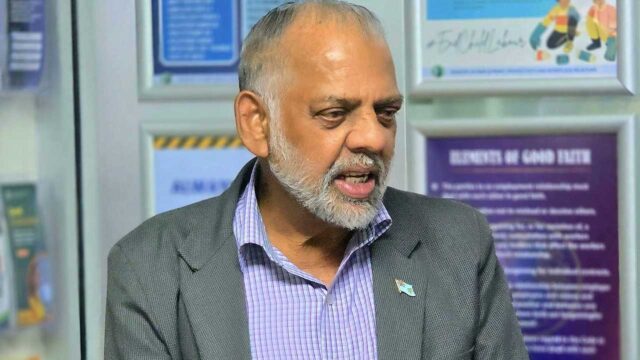
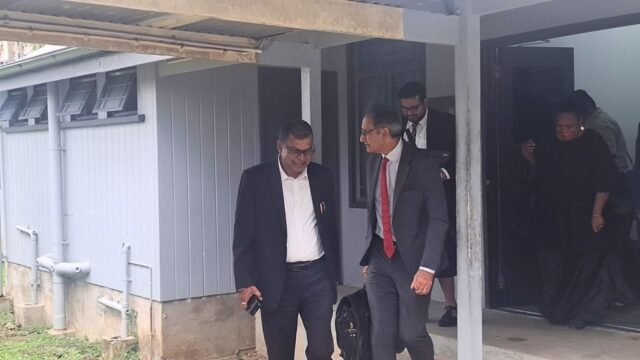
EFL Director Gardiner H Whiteside says the project is not just about energy production, but about securing a stable and independent energy future for Fiji.
The project will help address a key weakness in Fiji’s power system, where most electricity is generated in the Western Division. It is expected to improve supply in the Central Division and strengthen overall grid stability.
“The project consists of three Rewa River hydroelectric facilities with a combined capacity of approximately 32 MW and an estimated annual generation of 120 GWh of clean energy. To put that in perspective, the project will supply a meaningful portion of Fiji’s electricity demand and is expected to contribute up to about 10 percent of the island’s energy needs. That is quite a significant contribution from a single development.”
Whiteside says that beyond energy security, the project is expected to create jobs, boost local economic activity, and support regional development in Namosi.
“EFL recognises that the scale of investment required to transform our energy sector cannot be achieved by EFL alone. Private sector participation is essential. This project is a strong example of how such partnerships can work effectively. Under this agreement, HydroFiji will finance, develop, own, and operate the hydro facilities, while EFL will purchase the electricity generated.”
He adds that the agreement highlights the growing role of public-private partnerships in delivering large-scale infrastructure, with HydroFiji financing and operating the project while EFL purchases the power.
HydroFiji Chair Dr. Philip van der Reit says the Namosi Hydro project comes at a critical time, as global oil prices rise due to ongoing conflicts such as the situation in Iran.
“This has already had the impact of increasing the oil price by 85%, reaching US$120 a barrel today. Oil shocks have happened multiple times before and will no doubt happen again in a world that shows no sign of becoming more stable.”
He adds that hydropower and solar energy will work together to support Fiji’s full transition to renewable energy, with hydro covering peak demand and solar supporting daytime supply.
Construction is expected to begin within the next 12 to 15 months, with operations targeted for 2029, marking a significant milestone in Fiji’s push for a cleaner, more resilient energy future.