 Riya Mala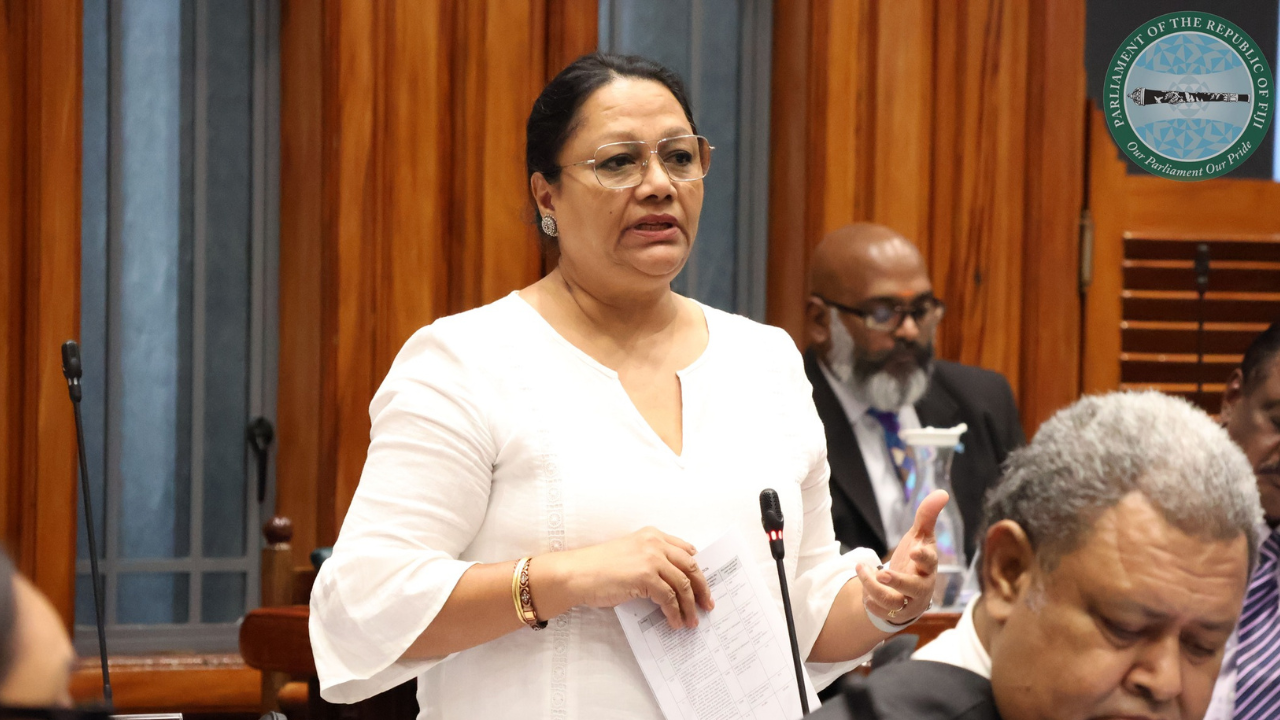
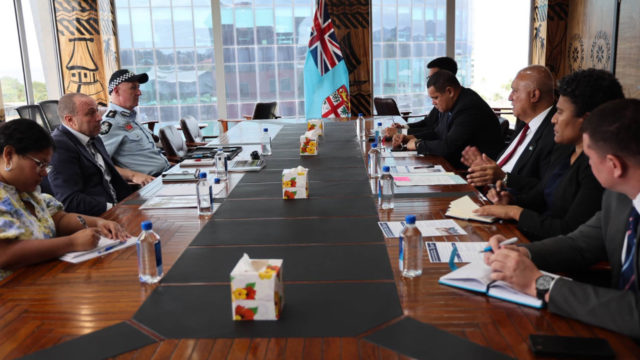
[Photo: PARLIAMENT OF FIJI/ FACEBOOK]
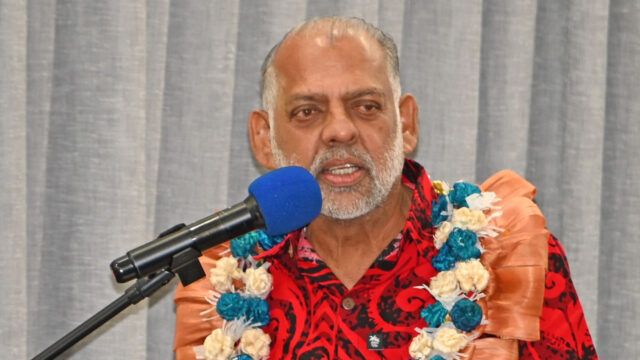
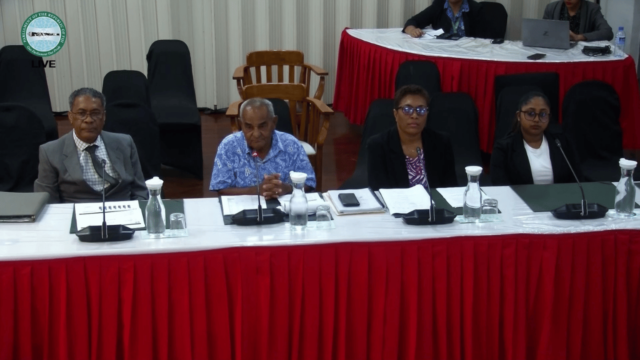
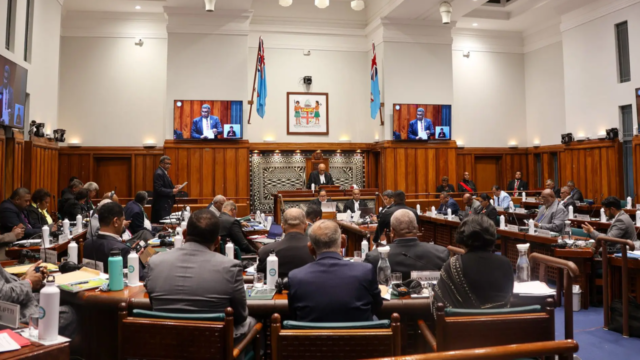
Fiji’s Public Health Amendment Bill 2026 has sparked a major parliamentary debate, with Opposition MP Premila Kumar supporting the need to modernize the outdated 1935 Public Health Act, but warning that the proposed law gives overly broad powers without enough safeguards.
Speaking in Parliament, Kumar said Fiji urgently needs a modern public health framework to strengthen sanitation systems, improve clean water access, and better prepare for outbreaks and epidemics.
However, she raised concerns over provisions that allow health inspectors to enter homes, inspect properties, collect samples, issue abatement orders, and in emergencies, compel vaccination, treatment, or isolation.
She warned these are “extraordinary intrusions” into citizens’ lives and said the bill does not clearly define what is considered “reasonable,” leaving room for subjective interpretation.
“These are not ordinary powers. These are extraordinary intrusions into the lives of citizens. What is a reasonable time for you may not be reasonable for me. And that needs to be clearly defined in the bill itself. Now the government will say, and I understand that they are not wrong, that such powers are necessary. I understand that. We do not dispute that. What we dispute is the absence of safeguards.”
While supporting strong public health powers during emergencies, she stressed that authority must be balanced with accountability to prevent misuse.
She highlighted that reforms will not succeed without proper resources, trained officers, and nationwide coverage beyond major urban centres, adding that budget constraints leave little funding for vehicles, testing, and field operations.
Kumar also called for stronger public awareness campaigns so citizens understand their rights and responsibilities, especially as fines are increased.
She raised concerns about under-resourced rural local authorities, warning that many lack the capacity to effectively implement laws in remote communities.
She cautioned that without proper funding, staffing, and support, the legislation risks failing in practice, stressing that “structure without resourcing is not reform.”
Kumar urged lawmakers to strengthen the bill with safeguards, adequate funding, and clear accountability to protect ordinary Fijians while improving public health outcomes.