 Sainiani Boila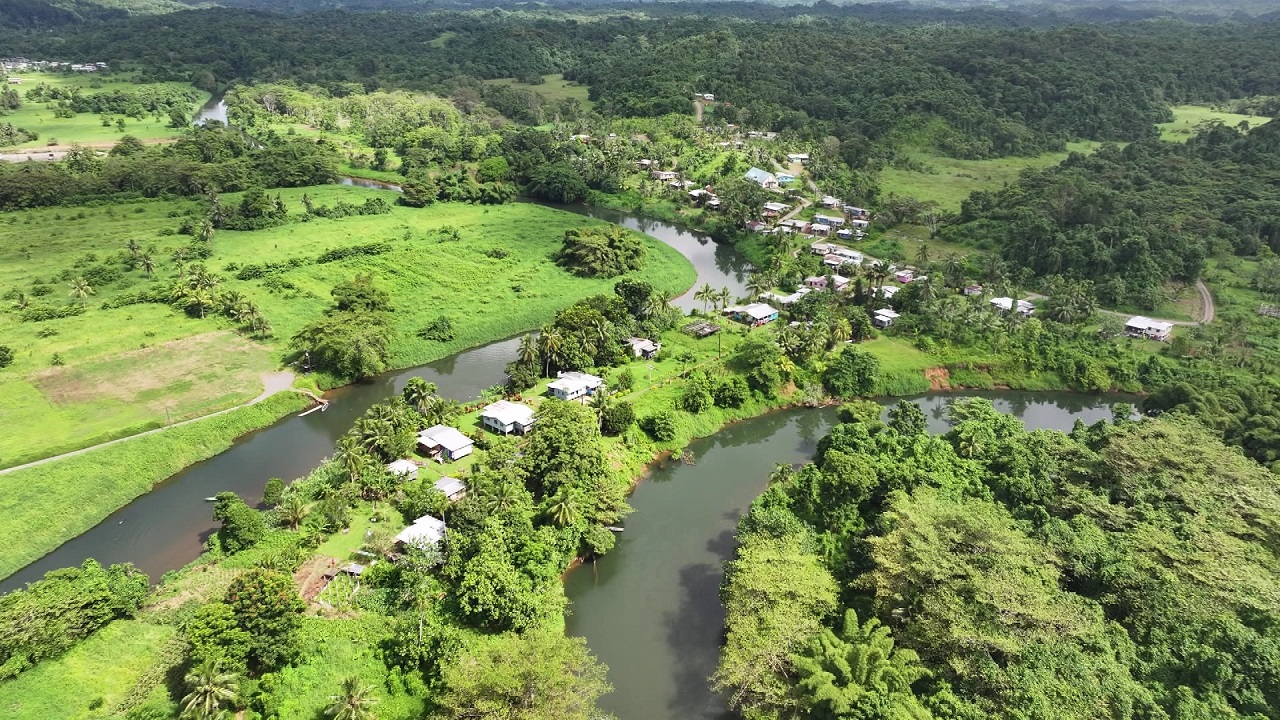
As the Fiji Islands continue to grapple with the impacts of climate change, communities across the country are at different stages of relocation and adaptation.
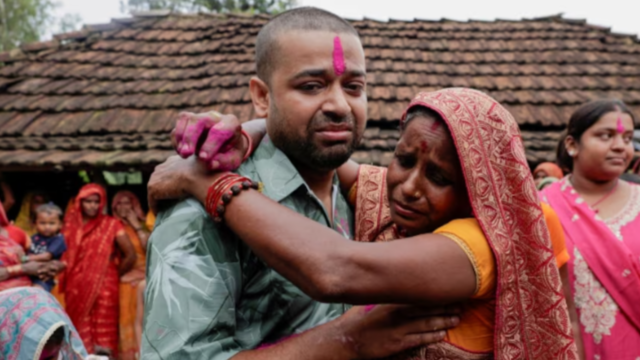
For Vuniniudrovu Village in the interior of Naitasiri, relocation is now underway, but for many, leaving their ancestral home is proving emotionally difficult.
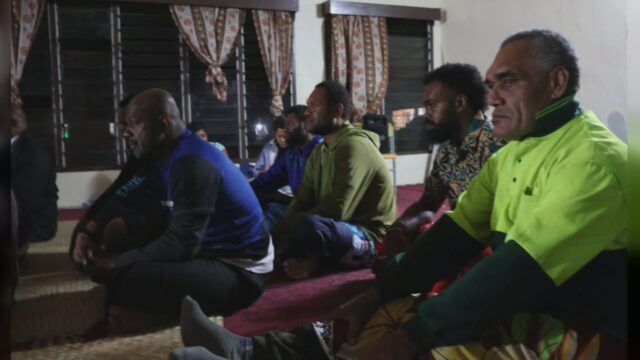
Village Headman Apete Vodivodi says while the move is necessary, it comes with deep emotional cost.
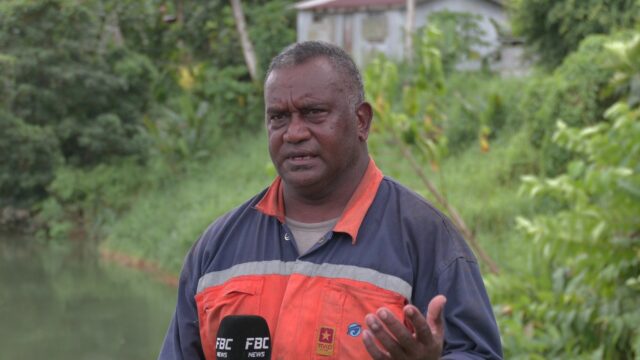
“My family has been here for over 200 years. Some of our elders were born here. Their yavutu, their foundations, are here.”
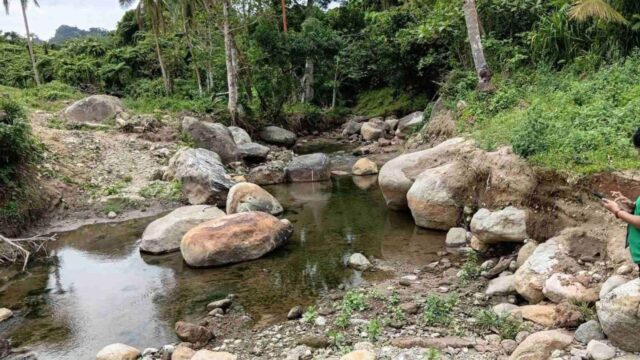
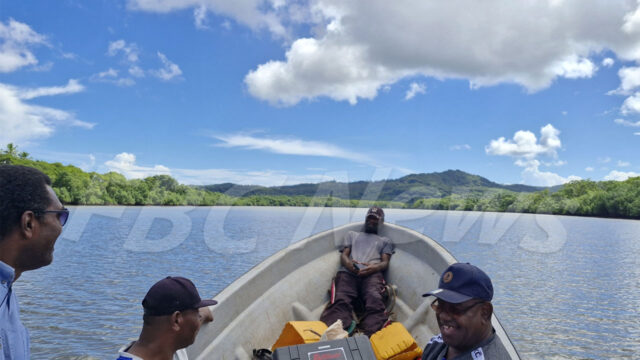
Vodivodi says the village has long been shaped by its history along the riverbank, but repeated flooding and severe erosion have made continued habitation unsafe.
The community has endured major flooding events in 1986 and 1989, when the village was completely submerged, and again in 2015 when floodwaters rose up to 1.5 metres, cutting through the settlement within minutes.
Today, 17 houses across 23 families remain in high-risk areas, with relocation already in progress.
But Vodivodi says leaving goes beyond physical displacement.
“When I tell them they have to leave their yavutu, there is always silence. Our doors face each other. We live close; we look after one another. In the new place, will that still be the same?”
For women’s group leader Savu Loakeli Nagonevulavula, the relocation carries deep personal loss.
“I have to uproot my plants, my flowers, the fruit trees I planted. My grandchild’s umbilical cord is buried here. This is where it all began for us.”
She says while relocation is understood as necessary, it does not ease the emotional weight of leaving behind generations of memories.
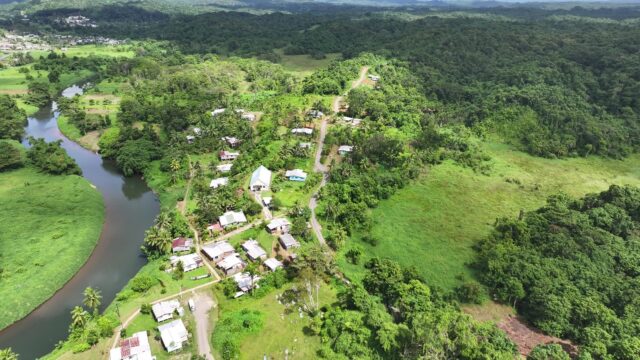
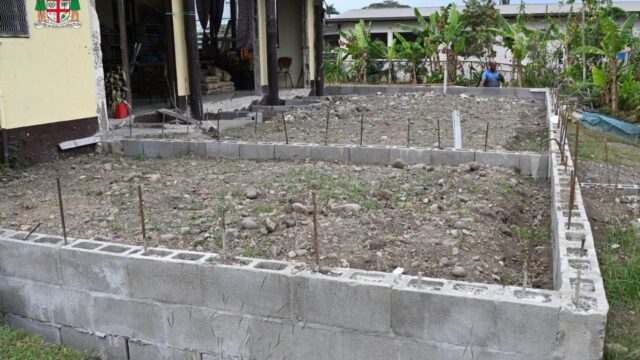
As the village gradually moves inland and begins rebuilding, each rainfall serves as a reminder of what is being left behind.
Despite the uncertainty, Vuniniudrovu continues its journey forward together.