 Josefa Sigavolavola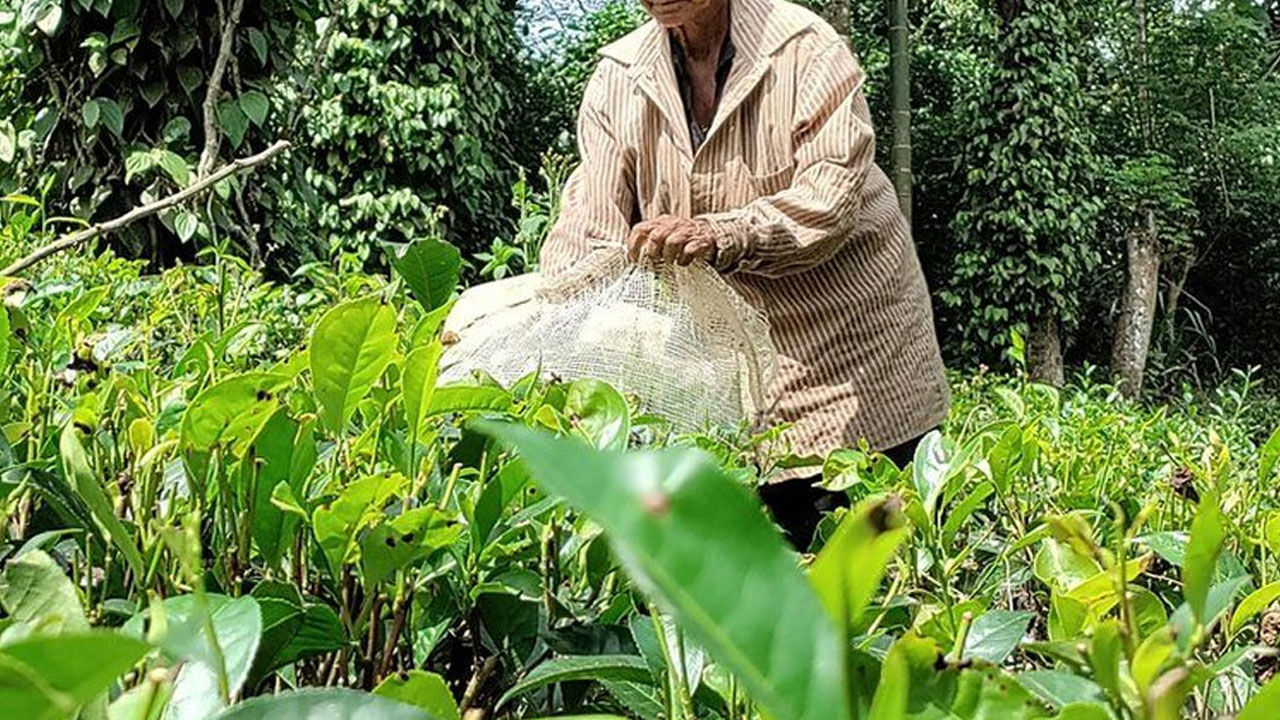
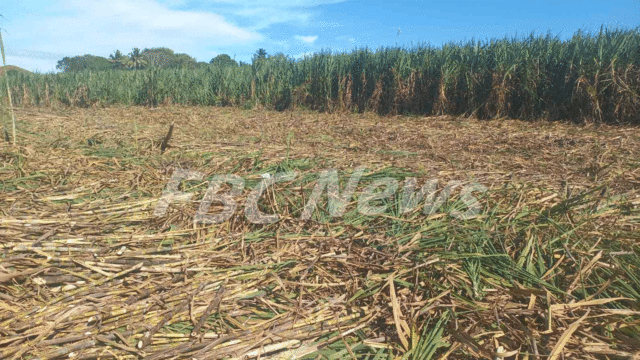
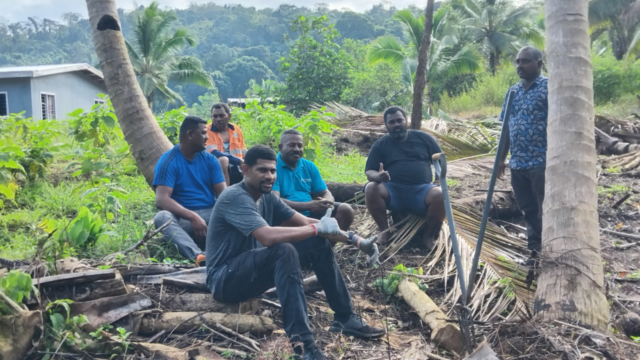
Fiji’s farmers are already living the harsh realities of climate change, with shifting weather patterns, rising costs and repeated losses threatening livelihoods.
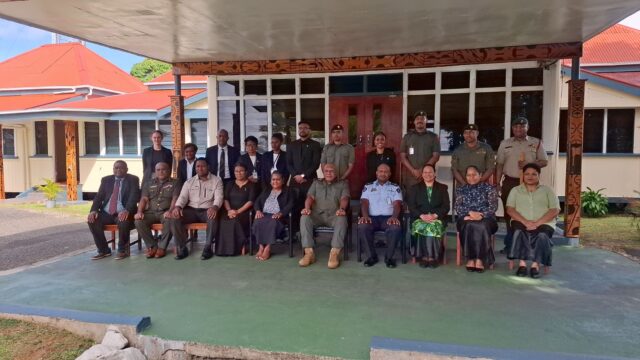
This was highlighted by the Minister of Environment and Climate Change Lynda Tabuya while speaking at the signing of a new agreement between government and the Pacific Community in Suva today.
In her remarks, Tabuya stressed that climate change is no longer a future concern but a present-day challenge for those on the ground.
She pointed to increasingly unpredictable conditions long dry spells followed by intense rainfall and flooding as key pressures, particularly for rice farmers who rely on stable water supply.
“Across Fiji, the farmers already experienced the impacts of climate change in very practical ways, adjusting planting seasons, managing water more carefully, and responding to increasingly unpredictable conditions.”
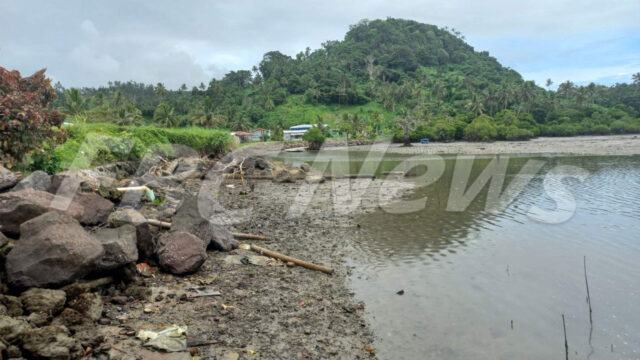
Saltwater intrusion and soil degradation are also affecting crop quality and productivity in some areas.
Drawing from her own experience as a new farm owner, Tabuya said even climate-controlled solutions like greenhouses are not immune, revealing that recent cyclones destroyed her own setup despite precautionary measures.
“Over time, these pressures accumulate, reducing yields, increasing costs, affecting household incomes, and ultimately influencing the viability of funding high viewhoods.”
Tabuya also highlighted the launch of Fiji’s digital climate transparency tool, aimed at improving how climate data is collected and tracked across government, ensuring better planning, accountability and access to climate finance.
She said one of the biggest challenges Fiji faces is not awareness, but the lack of consistent and credible data to guide decisions and investments.
The Minister stressed that strengthening evidence around climate impacts especially loss and damage will be critical in shaping national policies and securing international support.
“National data reflects the scheme of these impacts with climate related disasters, particularly tropical cyclones, even with greenhouses, affecting over 150,000 people in recent years, causing significant livelihood losses.”
She added that while Fiji contributes very little to global emissions, it continues to face disproportionate impacts, particularly in rural and agricultural communities.
“That transparency tool will ensure that we are now capturing data from across all ministries that receive climate funding, and deal with climate issues.”
Tabuya said the new initiative marks a significant step toward turning evidence into action and ensuring Fiji’s agriculture sector remains resilient, productive and sustainable for the future.
The agreement signed today will support Fiji’s first sectoral assessment of climate-related loss and damage in agriculture, with a focus on rice farming in Macuata Province.
The initiative is funded by the Government of Denmark and implemented with technical support from SPC.