 Litia Cava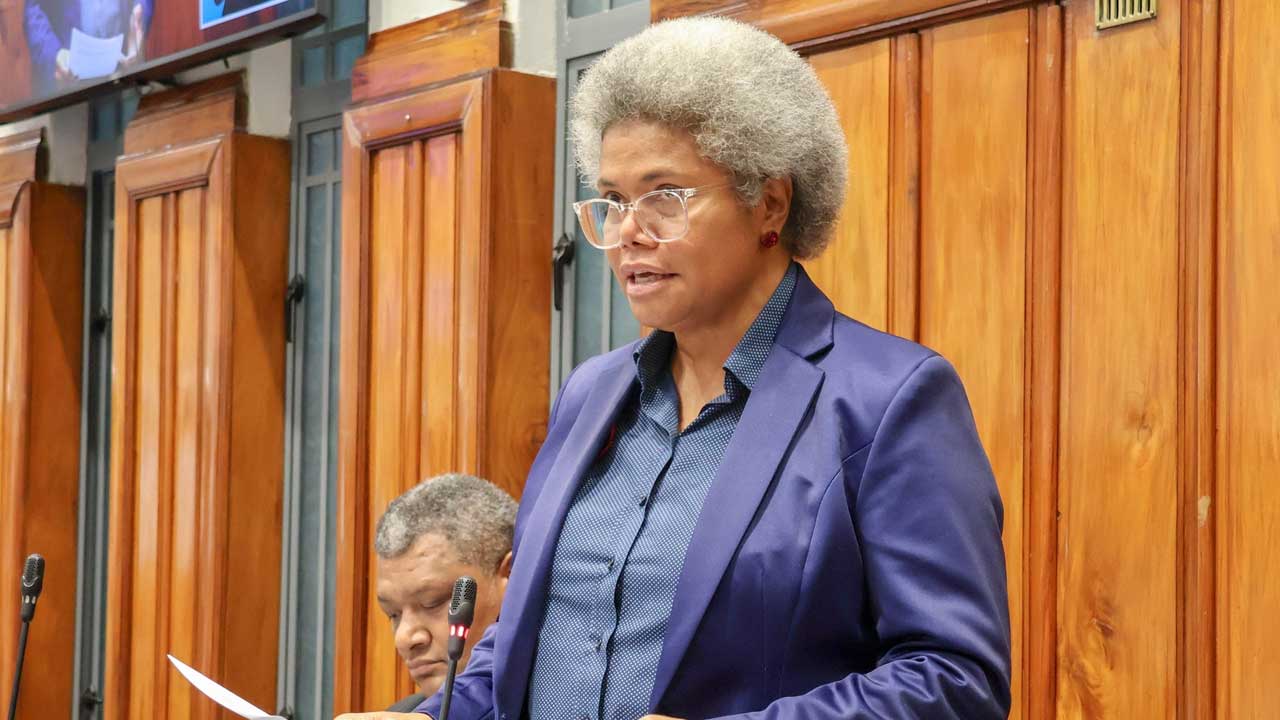
[Photo: FILE]
Record tax collections are under scrutiny, with Opposition MPs questioning why billions raised are not easing the cost of living.
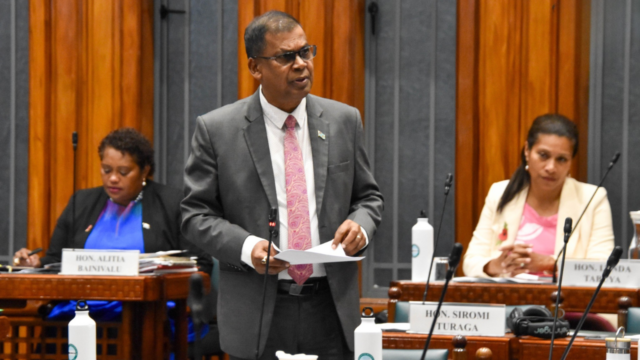
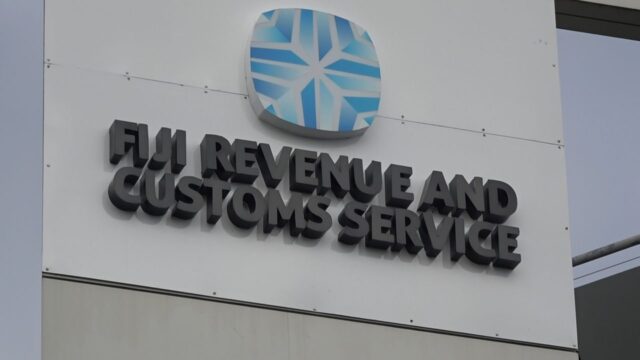
The issue dominated debate on the Review Report on the Fiji Revenue and Customs Service 2022–2023 Annual Report in Parliament.
Committee Chair Lenora Qereqeretabua said the committee found the 2022–2023 period marked a strong rebound. She reported FRCS collected $2.28 billion in net revenue, $33 million above target, a 35 percent increase from the previous year.
The gains were driven by tourism recovery, business activity and consumer spending. She added the agency recorded a $6.7 million operating surplus, reversing a prior deficit.
But Opposition MP Premila Kumar challenged the narrative, saying the headline figures mask deeper concerns.
She noted that despite higher collections and a VAT increase to 15 percent during that period, government borrowing remained high and is projected to exceed $2.2 billion. She questioned where the additional revenue is going and why households continue to face pressure.
Kumar argued the system itself is part of the problem. She said compliance remains low because processes are complex, especially for small businesses. She pointed to gaps between business registration and tax identification requirements, saying many firms assume they are compliant when they are not. She added that poor coordination between agencies increases costs and slows trade.
Opposition MP Virendra Lal took a sharper line, saying record revenue does not reflect reality for ordinary families.
He said the government was collecting more while households struggle with rising fuel, food and transport costs.
He questioned why the State continues to collect fuel taxes and maintain high VAT levels despite revenue growth. He also raised concern over reliance on donor support for key border tools like detector dogs.
Government MPs defended the figures, linking revenue growth to economic recovery.
Deputy Prime Minister and Tourism Minister Viliame Gavoka said tourism remains central, noting that full airports and hotel occupancy directly strengthen revenue.
He said border security and airport infrastructure are critical not just for customs but for the tourism brand, warning that outdated systems risk damaging visitor confidence.
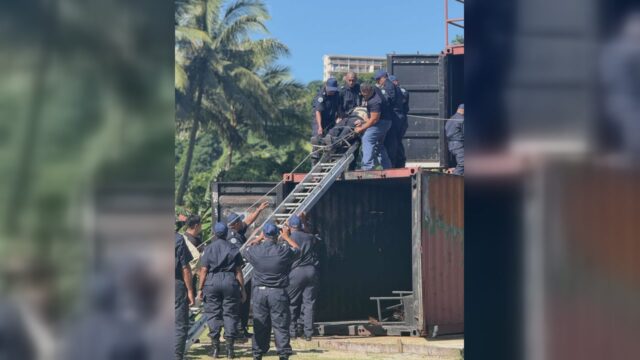
The committee report also highlighted operational gaps. Qereqeretabua said container scanners bought in 2017 remain underused due to infrastructure limits.
Permanent facilities in Suva and Lautoka are expected by 2027 but interim solutions are needed now. She also called for expansion of the K9 unit and stronger inter-agency coordination.
On security, the report flagged rising cyber risks. Qereqeretabua said FRCS holds sensitive financial data and must fast-track international security certification, conduct regular penetration testing and strengthen real-time monitoring systems.
Government MP Manoa Kamikamica pushed back on Opposition claims about debt, blaming past spending and defending current borrowing as targeted.
He also welcomed Fiji’s removal from the European Union tax blacklist, calling it a boost to investor confidence.
Across the debate, there was agreement on one point: strong collections alone are not enough. Assistant Health Minister Dr Penioni Ravunawa said the tax system must be fair and balanced, with recovery measured by improvements in people’s lives, not just revenue growth.
Qereqeretabua reminded Parliament that taxes fund essential services, from roads to hospitals and education.
The motion to note the report was agreed to.