 Litia Cava
[Photo: FILE]
The Opposition claims serious legal gaps in Fiji’s proposed referendum framework are raising concerns about whether a national vote can be conducted with clarity and authority.
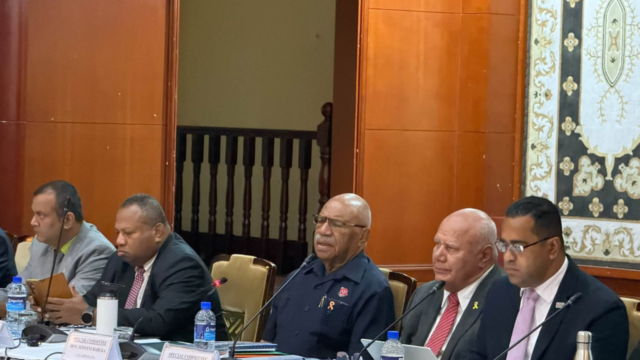
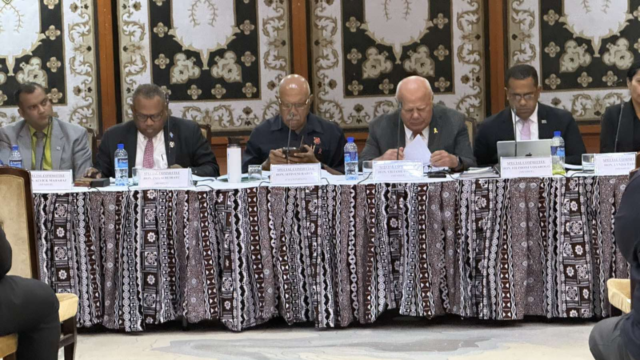
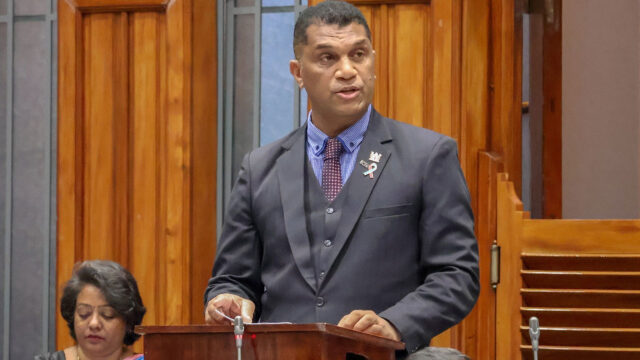
The issue emerged during standing committee scrutiny, where Opposition parliamentarian Faiyaz Koya questioned the absence of a structured legal framework to support Section 160 of the Constitution.
Section 160 of the 2013 Constitution requires any constitutional amendment to first secure a 75 per cent majority in Parliament and then be approved by at least 75 per cent of registered voters in a national referendum.
Electoral Commission Chairperson Usaia Ratuvili said the concern was not minor.
He indicated the Constitution outlines when a referendum is required but does not explain how it should be carried out.
“All electoral activities in Fiji or elections in terms of local government general election is started by way of a writ. There’s no equivalent process here. And then how do you conduct the election? Who formulates the question? What is the format of the referendum? In some jurisdictions, it’s simple, yes or no, a binary choice.”
Ratuvili said once Parliament passes a constitutional amendment with the required majority, the Speaker informs the President, who then directs the Commission to conduct a referendum.
However, he stressed there is no supporting law that sets out the operational process.
He said the bill does not define how a referendum is initiated. It also fails to clarify who sets the question or what format the vote should take.
Ratuvili noted that in some countries referendums are simple yes-or-no votes. In others, voters choose from multiple options. He said the absence of guidance leaves critical decisions unresolved.
He also drew a clear distinction between referendums and plebiscites. He said referendums relate to constitutional amendments, while plebiscites are used in other jurisdictions to gauge public opinion on national issues.
Ratuvili stressed that drafting the question is not the role of the Electoral Commission. He said its mandate was to administer the vote and ensure the result is credible.
The Commission’s legal team outlined further weaknesses in the bill. They pointed to missing provisions on ballot design, voter education and campaign rules.
They also highlighted gaps in vote counting procedures and the declaration of results. In addition, they said the bill does not state whether a referendum outcome would be binding.
Koya suggests the law could be expanded to cover both referendums and plebiscites. He claimed a single framework could be more practical and efficient.
Ratuvili acknowledged the point but said the Commission focused on constitutional referendums due to their basis in Section 160. He added that similar principles could apply to plebiscites if required.
He said the Commission’s priority was to ensure voters understand the issue and can participate without confusion.
He added that every vote must be properly counted and reflected in the final result.
Ratuvili also noted Fiji has never conducted a referendum since independence.
He states that this makes it critical that the legal framework is clear, complete and workable.