 Litia Cava
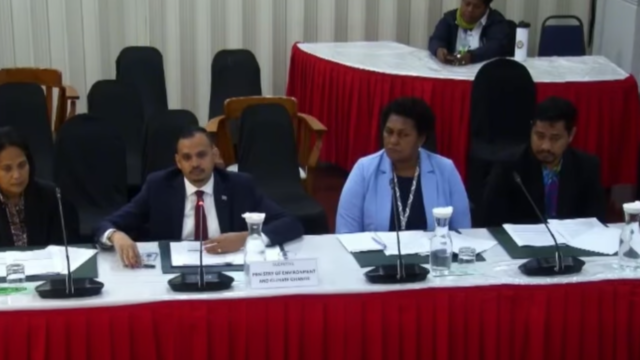
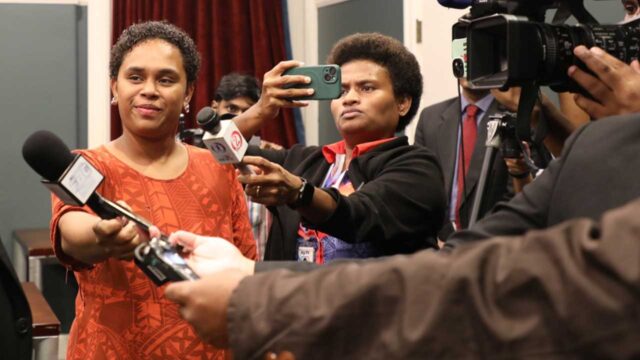
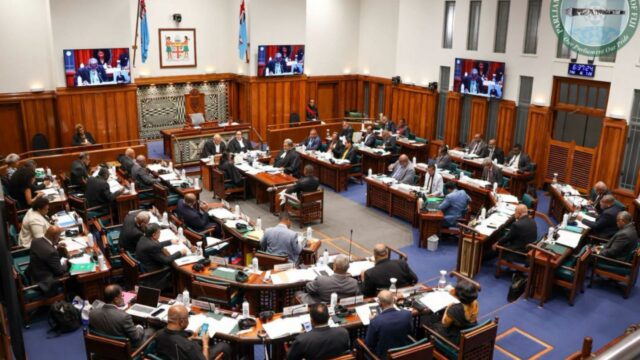
[Photo: PARLIAMENT OF FIJI/ FACEBOOK]
Opposition Member Faiyaz Koya has raised concerns about the low threshold required to amend the Constitution through a referendum. His concerns follow an advisory opinion by the Supreme Court of Fiji.
Koya said a simple 50 percent plus one vote could allow a small group to change the Constitution, meaning if only 50,000 people vote, just over 25,000 votes will be enough to make changes.
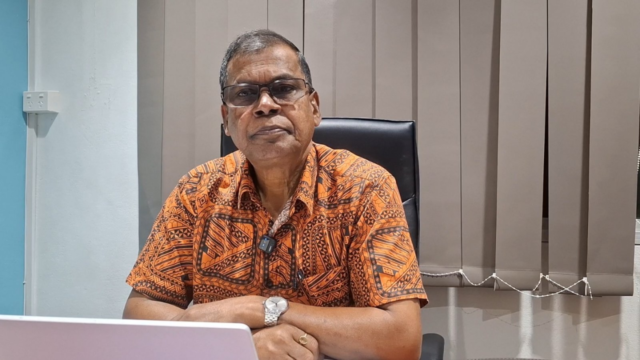
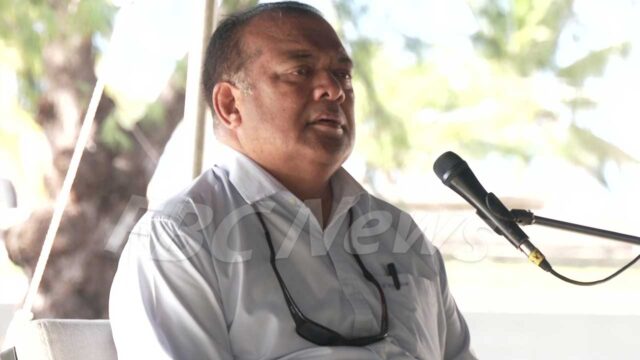
Former Attorney-General Aiyaz Sayed-Khaiyum agreed, describing the threshold as extremely worrying.
“But the point was that there were no submissions asked of us on that particular aspect, nor were there any submissions made on that particular aspect. So I sought a review of that particular decision, and I was not allowed to participate. But I had made various submissions. I’m quite happy to provide that to you in that respect.”
Sayed-Khaiyum states that such a low turnout defeats the purpose of a referendum and warns that even 5,000 plus one votes could be enough if participation is low.
He questioned how the formula was determined, saying this was done despite the court stating the Constitution must be upheld.
He adds that earlier constitutions, including those in 1990 and 1997, had stronger protections and says weakening the safeguards was unjustifiable.
Sayed-Khaiyum also spoke about the court process, highlighting that he tried to intervene in a matter before the Supreme Court but was denied.
He rejects claims that the Constitution lacked public consultation and says there were years of engagement before it was adopted.
On compulsory voting, Koya suggested it can improve turnout, but Sayed-Khaiyum disagreed.
Sayed-Khaiyum says enforcing compulsory voting will be difficult given the country’s geography and many remote communities.
He adds that penalties for not voting will be costly to enforce, as fines can unfairly affect low-income citizens.
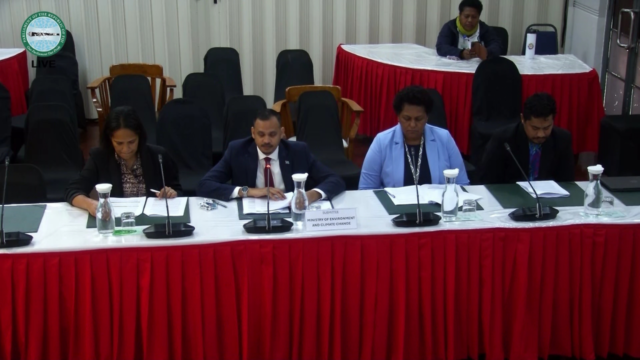
This was part of the discussions before the Parliamentary Standing Committee on Justice, Law and Human Rights.