 Reuters

[Source: Reuters]
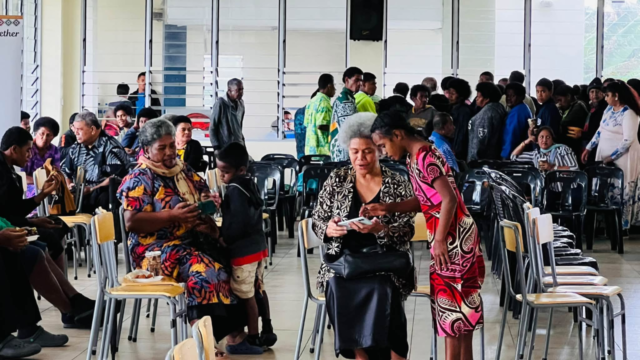
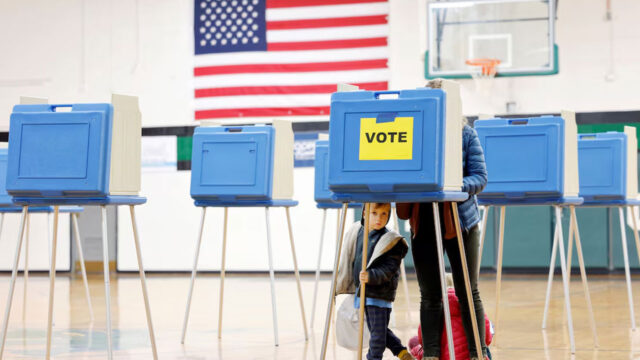
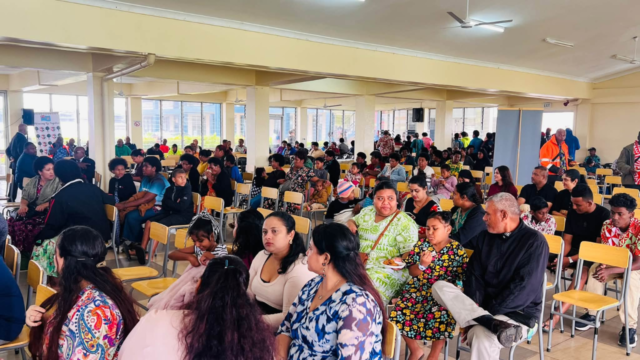
Preliminary results on Friday showed that Prime Minister Mark Brown’s Cook Islands Party would likely retain control of parliament, winning 12 of the Pacific nation’s 24 seats, although bad weather delayed voting on the remote island of Nassau.
The preliminary result, released on Radio Cook Islands’ Facebook page, gives Brown’s party the narrowest possible majority in the legislature, pending the completion of voting.
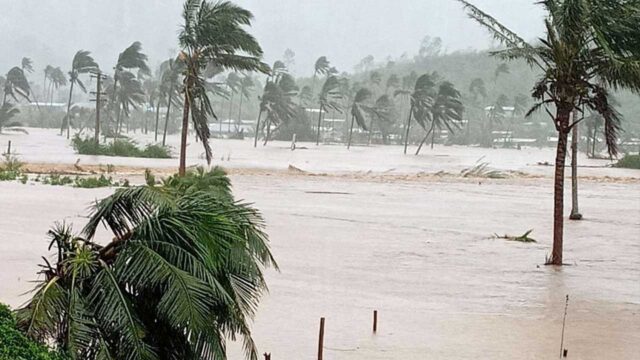
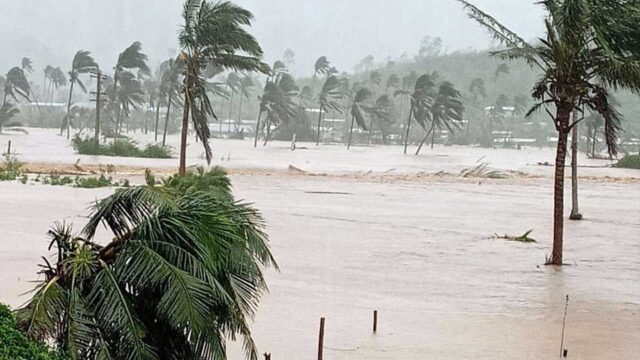
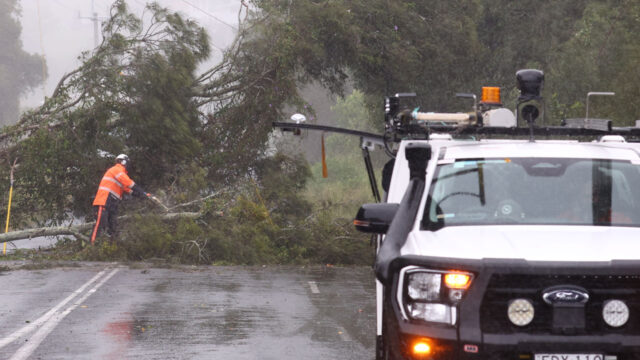
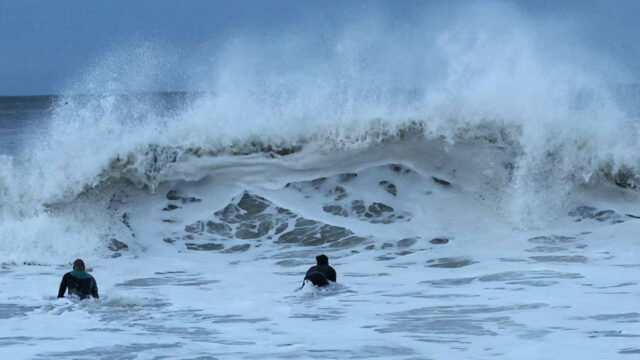
Voting on Nassau, a small northern atoll where adverse weather disrupted transport and polling arrangements, is expected to happen Thursday local time, Radio New Zealand reported.
The Cook Islands has a population of about 15,000 spread across 15 islands, making elections logistically difficult, particularly in the remote northern group.
The vote comes at a sensitive time in the Cook Islands’ relationship with New Zealand, with which it is in free association.
Cook Islanders are New Zealand citizens, while Wellington has historically played a role in defence and foreign affairs, although the self-governing territory conducts its own domestic policy and has expanded its international engagement.
Relations were strained when Brown’s government signed agreements with China without first consulting Wellington, prompting further concerns in New Zealand over the strategic implications of Beijing’s growing presence in the Pacific.
New Zealand later halted some funding to the Cook Islands amid the dispute, though the two governments signed a defence and security declaration in April aimed at strengthening cooperation, and the funding has resumed.
Brown has also pushed to develop an undersea mining industry, arguing that the Cook Islands’ vast exclusive economic zone could contain commercially valuable deposits of polymetallic nodules.
Environmental groups and some Pacific leaders have urged caution, warning that deep-sea mining could cause lasting damage to poorly understood marine ecosystems.