 Riya Mala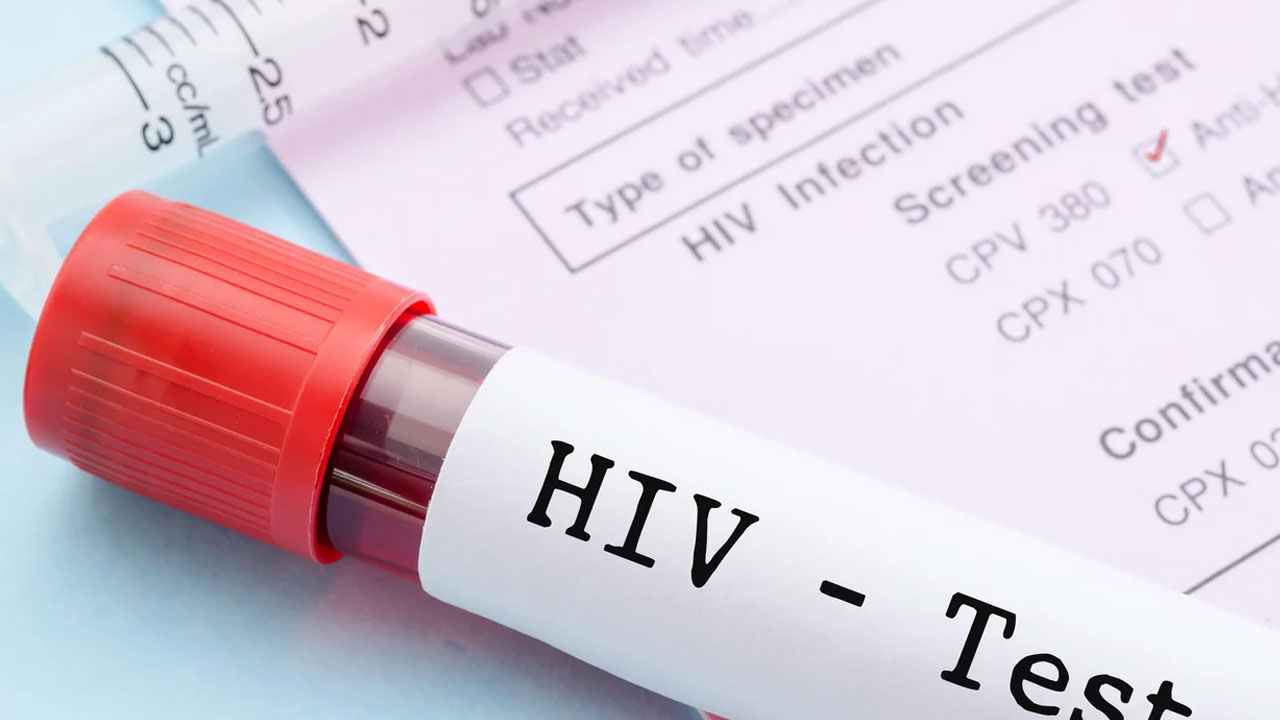
Fiji’s laws are restricting one of the measures UNAIDS says could help slow the country’s rapidly growing HIV epidemic.
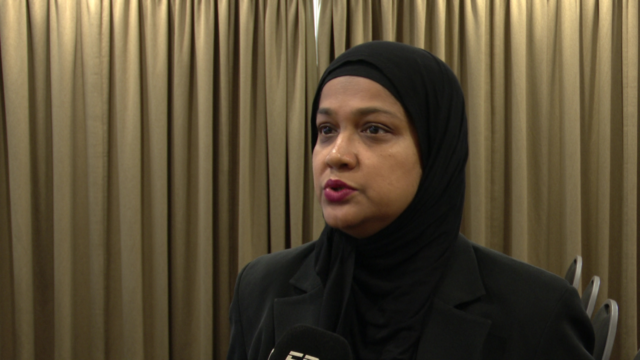
UNAIDS Pacific HIV Adviser Renata Ram says a national harm-reduction programme is urgently needed to address the outbreak, which is largely driven by injecting drug use and sexual transmission.
She says health workers and community groups are restricted from distributing clean needles and syringes, despite evidence that this can reduce HIV transmission among people who inject drugs.
Ram says the Ministry of Health has already completed much of the groundwork for a harm-reduction programme, but legislative restrictions are delaying its implementation.
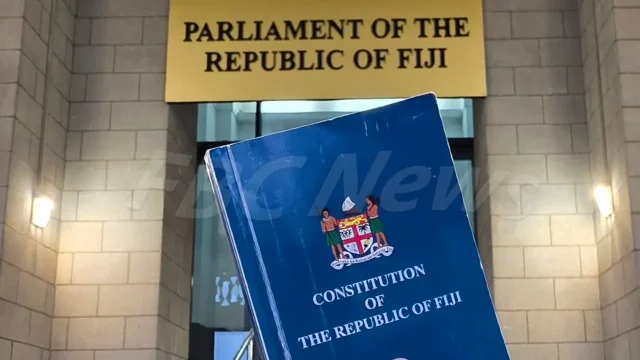
“The laws do not support actually distributing sterile injecting equipment. And if health care workers start doing that, and community workers start doing that, they could face the brunt of the law because it’s seen as aiding and abetting drug consumption in Fiji.”
Ram says many people who inject drugs want help to stop.
She says harm-reduction services can provide a safe entry point to counselling, treatment, testing and other health support.
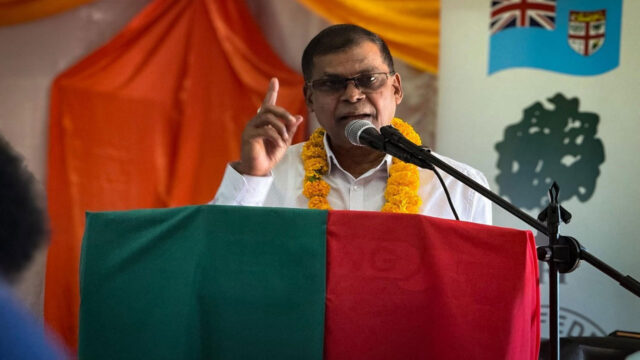
Health Minister Dr Atonio Lalabalavu says the HIV Task Force is working with government agencies, health workers, communities and development partners to address the crisis.
UNAIDS says Fiji’s HIV outbreak, declared nationally in January 2025, requires urgent action rather than simply changing the label of the crisis.