 Apenisa Waqairadovu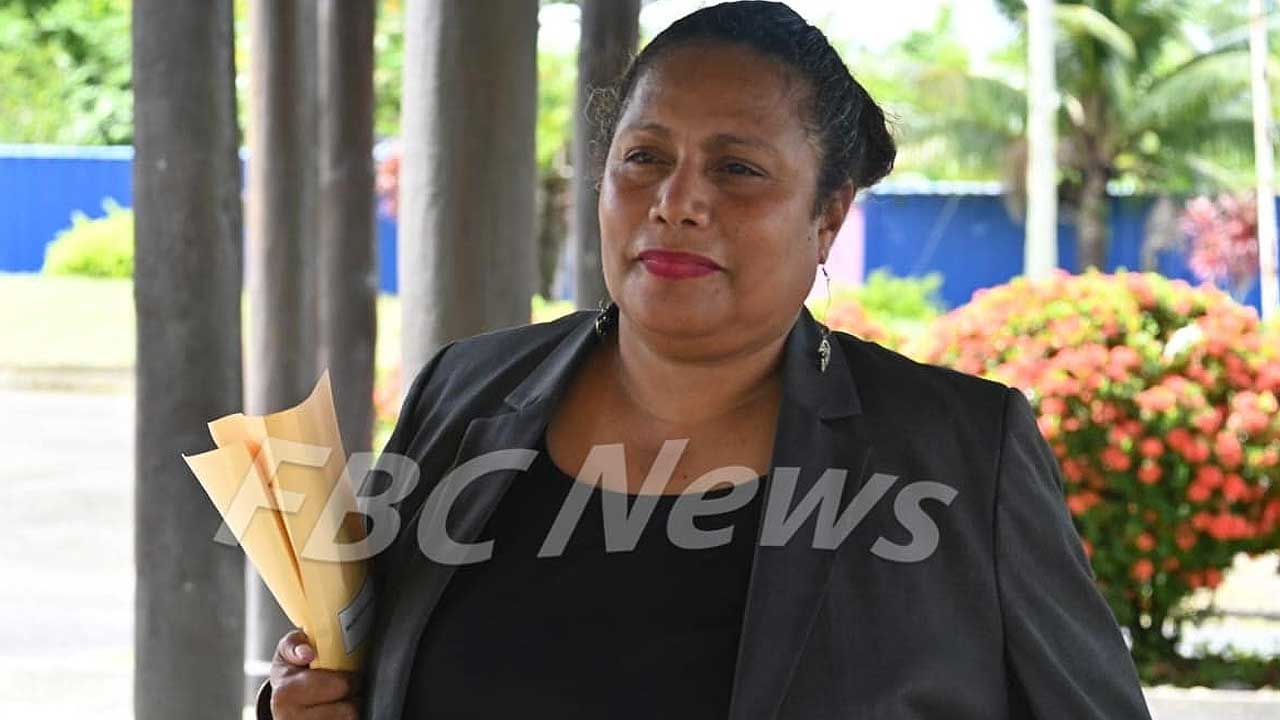
File
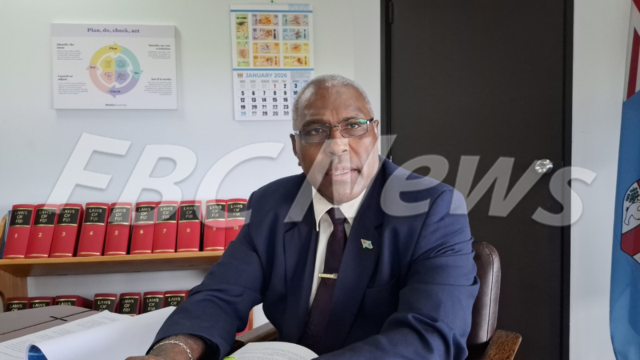
The High Court has raised serious concerns over the conduct and public statements of the Commissioner of Inquiry, finding they contributed to a reasonable apprehension of bias.
Justice Dane Tuiqereqere said the Commissioner’s statements during the inquiry, and comments made after the report was completed, went beyond what could be expected from someone required to approach the process with an open and impartial mind.
The judge said that, when those statements were considered together with the contents of the Commission’s report, a fair-minded and fully informed observer could conclude that the
Commissioner believed there had been interference in Barbara Malimali’s appointment and was seeking to identify those responsible.
The judgment points to several particularly strong statements made by the Commissioner.
In the Commission’s own Executive Summary, the Commissioner called on the Government to act decisively and spoke of “cleaning out” people he alleged had worked in the shadows to gain control of FICAC.
The Commissioner also urged the President and Prime Minister to implement all of the Commission’s recommendations and said his confidence in Prime Minister Sitiveni Rabuka had been damaged by what he viewed as a failure to act decisively.
Justice Tuiqereqere also noted that the Commissioner appealed to the Fijian media to publish his statement in full, as well as the Commission’s recommendations.
The High Court found that the Commissioner’s conduct created a reasonable apprehension of bias.
Justice Tuiqereqere said the concerns were not limited to the Commissioner’s statements.
He found that the contents of the report and the Commissioner’s approach to the inquiry reinforced the impression that the Commissioner had not simply been examining the appointment, but had approached the exercise with a belief that there had been interference and a desire to identify those responsible.
Justice Tuiqereqere also rejected an argument that the Commission’s report was merely advisory and therefore had limited consequences.
Justice Tuiqereqere said the adverse findings had real and severe consequences for the applicants, particularly in terms of their reputations and professional careers.
That finding was significant because it meant the applicants were entitled to procedural fairness before the adverse findings were finalised and released.
The court has since quashed the adverse findings and recommendations and declared the May 1, 2025 Commission of Inquiry report null and void in its entirety.
The judge stressed, however, that his concerns about the conduct of the Commission did not mean the inquiry itself had no value.
He found that the inquiry served a useful purpose and that some of the concerns it raised about Malimali’s appointment were valid, including the Tuvalu issue and the active FICAC investigation against her at the time of her appointment.
The High Court will deal with damages and costs separately.