 Litia Cava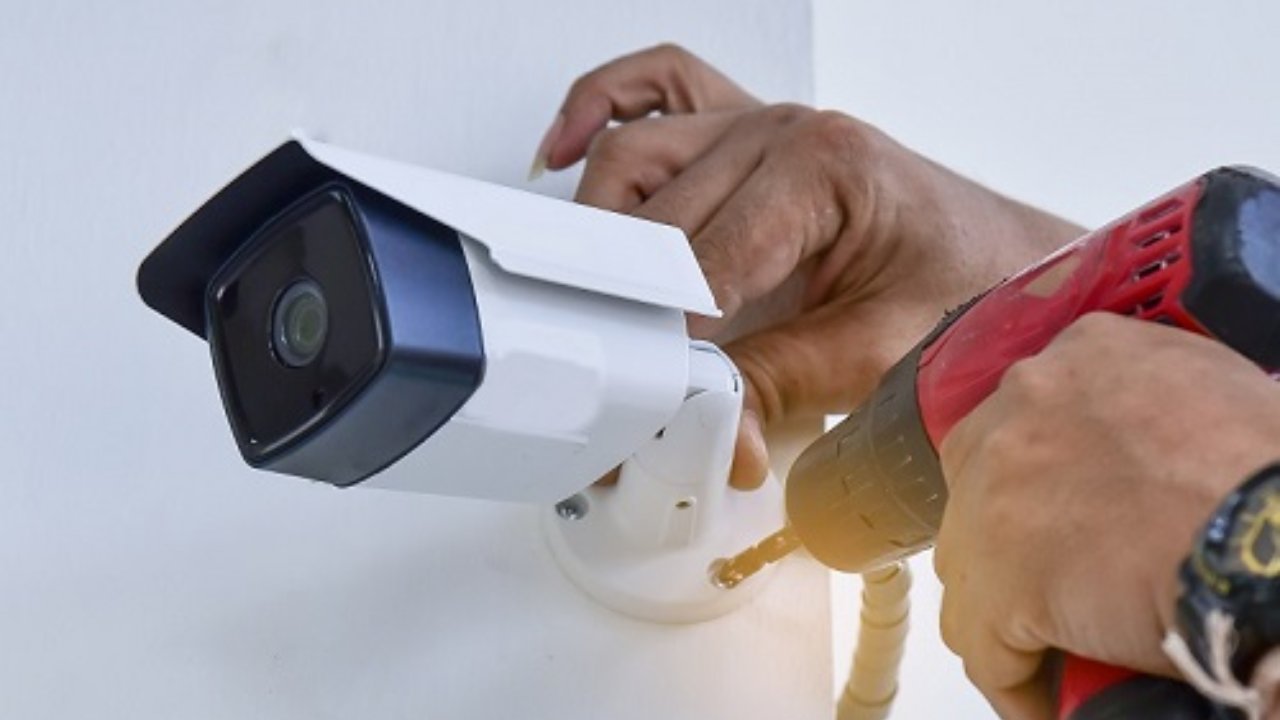
[Photo: FILE]
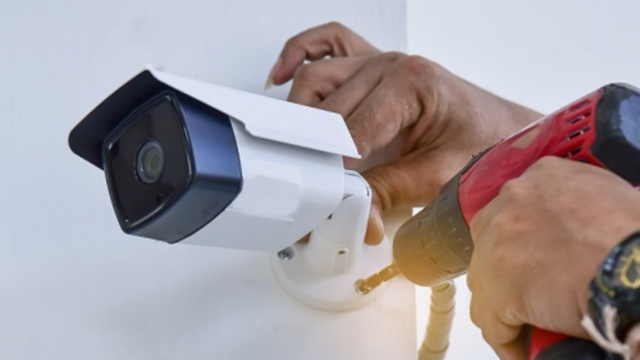
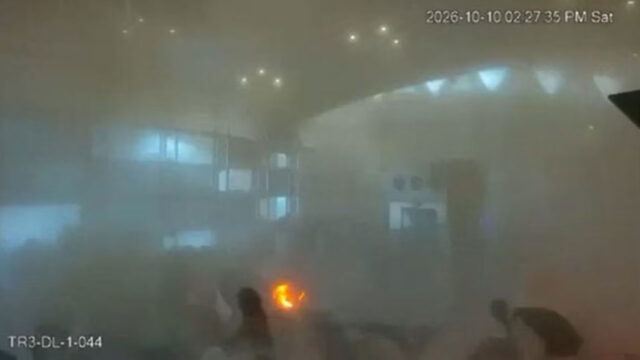
Parliament has questioned the expansion of CCTV network after another $400,000 was allocated for surveillance cameras.
The debate has raised concerns over the absence of a national policy to guide how cameras are installed, monitored and how privacy is protected.
The issue was raised in Parliament after Opposition MP Premila Kumar questioned the government’s approach to CCTV installation during debate on the 2026-2027 Appropriation Bill.
Kumar said different agencies, municipal councils, communities and private households were installing cameras, but there was no single policy guiding the use, monitoring and management of CCTV footage.
“But the rest of the world are also moving in the same direction to keep our cities and towns safe but they do have a national policy on CCTV camera so that the privacy matter is addressed and anyone who installs CCTV camera, it is monitored by a central agency.Not like everyone monitoring their own CCTV cameras.”
In response, Police Minister Ioane Naivalurua said police have a plan for CCTV expansion, with installations completed in the Suva-Nausori corridor and the next phase planned for the Western Division.
“Within the community, we work with the community. If there are initiatives by the community to install their own monitoring devices, we work with them to be able to connect to our central monitoring devices. But there is a well-coordinated plan for those, Honorable Member.”
However, when questioned on whether Fiji has a national policy covering privacy issues, Naivalurua said he had yet to see one, adding that this was something that needed to be worked on.
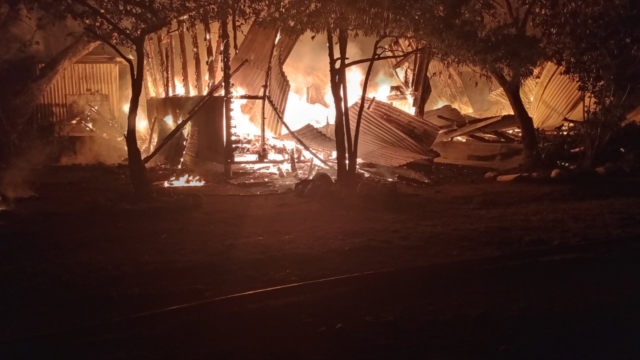
Meanwhile, Kumar also raised concerns over delays in DNA testing for major fire investigations, where some samples are sent overseas.
She questioned whether Fiji could strengthen its local capability to avoid long waiting periods.
Naivalurua said Fiji already carries out DNA testing locally but relies on New Zealand and Australia for more complex cases.