 Litia Cava
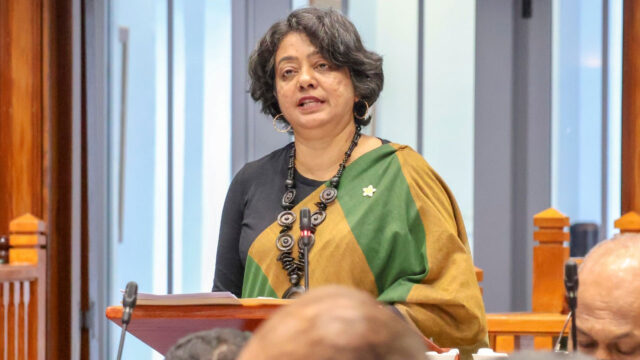
[File Photo]
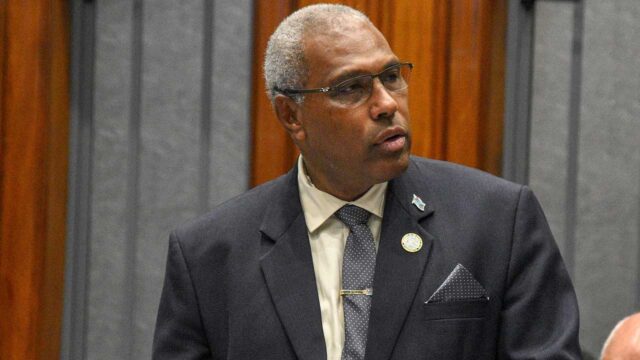
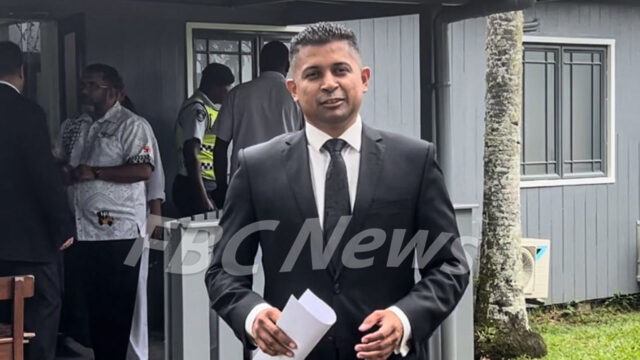
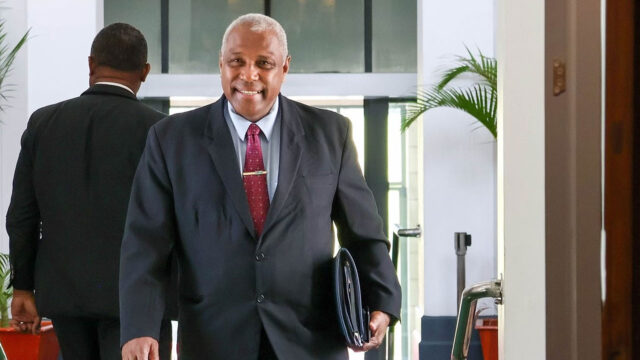
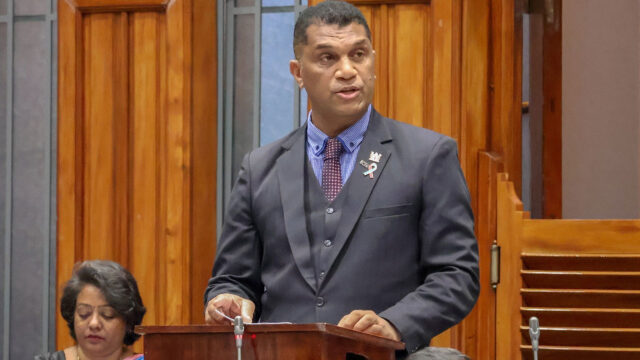
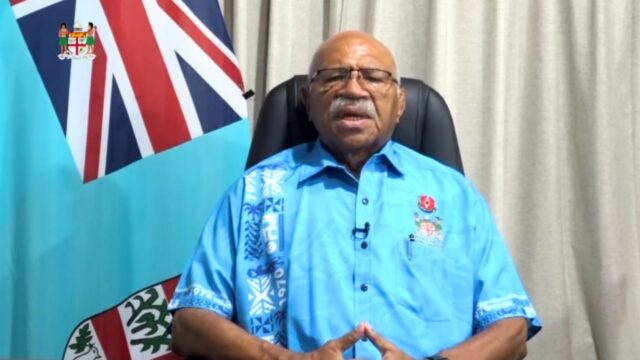
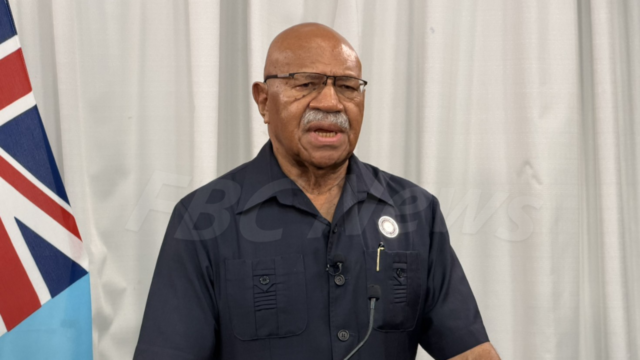
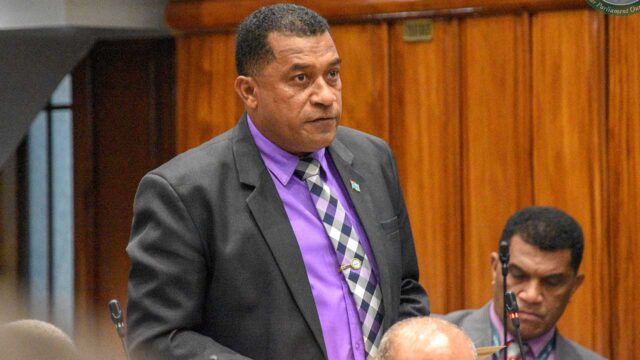
Prime Minister Sitiveni Rabuka has challenged the Opposition’s focus on rising debt, saying Fiji’s economic story cannot be reduced to figures alone.
He says the Budget debate must also consider the global shocks Fiji faced and the investments made to drive economic recovery and development.
Responding to the Opposition Leader’s decision not to support the Budget, Rabuka said the figures presented in Parliament were important, but they did not tell the entire story.
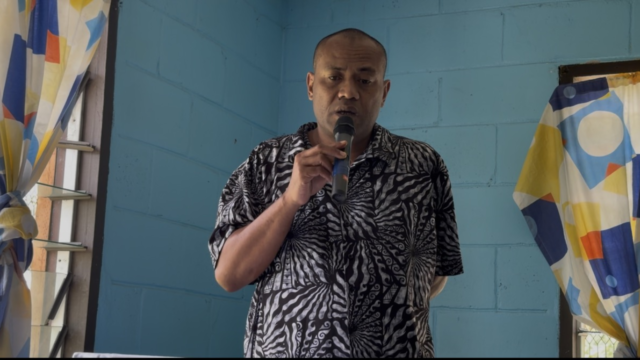
“But I was telling the Attorney General that all the figures say that, but what about what has happened on the ground? The effects of the growth in the debt figures, he did not mention the relationship to GDP but then we can see on the ground that there have been developments, Mr Speaker, Sir. In the days ahead of us, we will be debating, we will be scrutinizing this Budget as our duty demands. I only ask that we debate with seriousness, with fairness and respectful facts for the sake of our people.”
The Prime Minister said while the Opposition had highlighted the increase in public debt, it had not fully addressed the relationship between debt levels and Fiji’s economic performance, particularly the debt-to-GDP ratio.
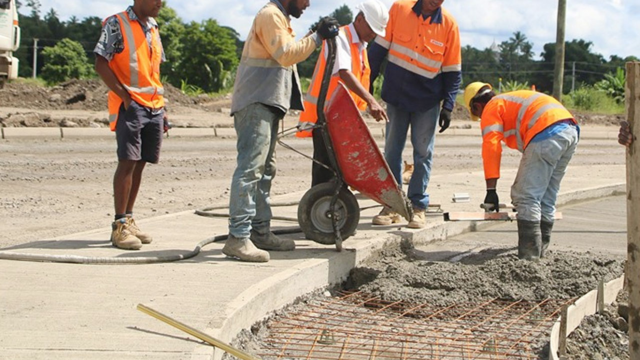
He said a responsible assessment of borrowing must consider what the money has been used for, including investments in infrastructure, services and projects that support economic growth.
Rabuka said Fiji’s current economic position must also be viewed against the unprecedented challenges governments have faced in recent years.
He reminded Parliament that the COVID-19 pandemic caused one of the deepest economic contractions in Fiji’s history, with the economy shrinking by 17.2 percent in 2020 as tourism and key sectors were severely affected.
He said while Fiji had recovered from the economic downturn, the country could not rely on recovery alone.
“Recovery alone is neither sufficient nor automatic.”
He said the government must continue addressing structural issues that have affected Fiji’s progress for years, including infrastructure gaps, low productivity, rising living costs, workforce shortages and emerging national challenges.
Rabuka said the 2026–2027 Budget was designed to respond to these pressures by balancing financial discipline with investment in areas that create long-term economic opportunities.
“This budget carries the theme of a Responsible Budget for a Sustainable Future.”
He said responsibility meant ensuring public money was spent carefully, borrowing was managed prudently and investments made today strengthened the Fiji that future generations would inherit.
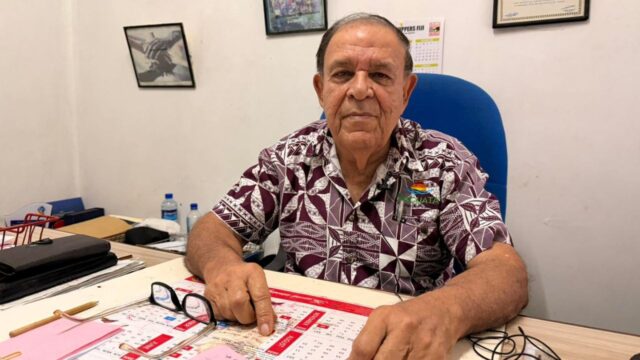
The Prime Minister also acknowledged the Opposition Leader’s contribution during the dudget debate, particularly his comments on the importance of small and medium enterprises and their contribution to employment.
However, Rabuka questioned the Opposition’s decision to reject the Budget, saying the Government’s plans needed to be judged based on their impact on ordinary Fijians.
He said the budget was focused on addressing the concerns of families facing higher costs, workers seeking secure jobs, young people looking for skills opportunities, farmers needing better infrastructure and businesses trying to expand.
Rabuka defended Fiji’s debt management approach, saying the country remained committed to meeting its financial obligations.
He said the International Monetary Fund had indicated that Fiji faced no immediate risk of debt distress, provided economic growth continued and fiscal discipline was maintained.
As part of maintaining that discipline, Rabuka said government was reviewing public sector spending, including the civil service structure, salaries, travel, workshops, fuel use and maintenance costs.
He said stronger value-for-money assessments would be introduced to ensure government spending delivered better outcomes.
On revenue, Rabuka said government was strengthening its financial position by widening the tax base, improving compliance, recovering outstanding arrears and modernising tax administration.
He said the goal was not only to manage debt but to create an economy capable of generating growth and employment.
Rabuka highlighted the government’s investment pipeline, saying Investment Fiji was currently facilitating 254 active projects worth $8.6 billion.
These projects cover sectors including tourism, real estate, digital infrastructure, renewable energy, agriculture and manufacturing.
He said 107 of these projects were already under construction and expected to become operational within three years.
Rabuka said these investments would create employment opportunities across multiple sectors, including construction, tourism, transport, agriculture and supply chains.
He said the government’s responsibility was to ensure borrowing and public investment translated into economic opportunities for Fijians.
Rabuka said the budget debate would continue to test the government’s decisions but maintained that the 2026–2027 Budget provided a pathway towards a stronger, more resilient and economically sustainable Fiji.