 Litia Cava
The National Ageing Policy review has intensified scrutiny over whether extensive consultations will lead to real protection and improved services for Fiji’s growing elderly population.
Concerns remain especially for older persons in rural and maritime communities, where access to support continues to be a challenge.
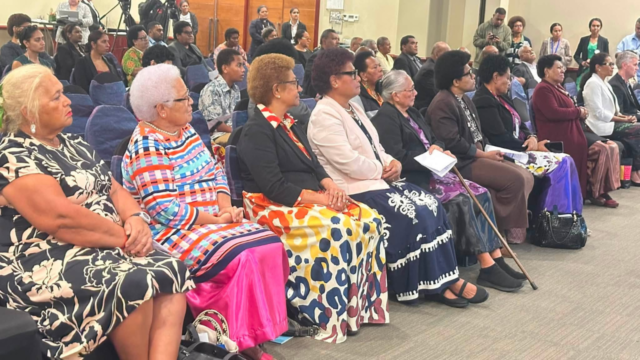
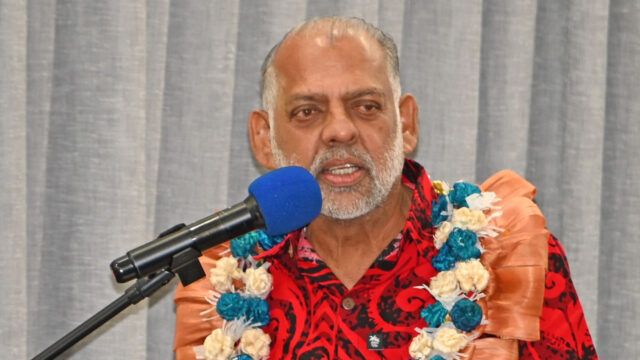
In Parliament, Minister for Women, Children and Social Protection Sashi Kiran said the review of the National Ageing Policy 2026 to 2035 has been conducted through nationwide consultations involving more than 1,700 participants across over 100 sessions.
She said the process has captured lived experiences of older persons and shifted discussions from complaints about current welfare programs towards broader systemic issues and long-term solutions.
The draft policy is structured around six priority areas including social protection, health and caregiving, transport and accessibility, digital inclusion, community infrastructure and disaster preparedness, and legal protection.
Kiran said the next step is a validation workshop in May 2026 before the document moves through finance, legal clearance, senior officials’ review and Cabinet approval.
Despite the progress, MPs pressed for clarity on how the policy will work in practice, especially for elderly people struggling with transport and basic mobility.
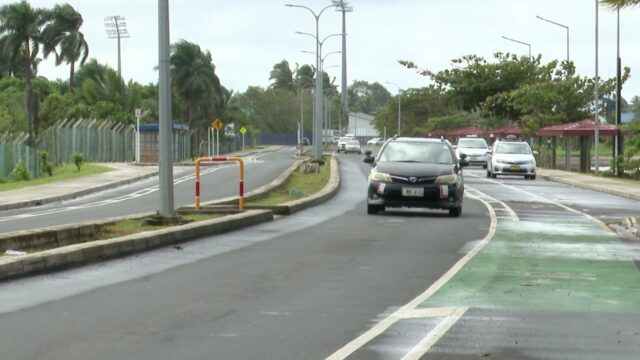
One concern raised in Parliament focused on infrastructure gaps, with reference to elderly bus users unable to board transport despite having valid fare cards due to access barriers.
Kiran said transport accessibility is being addressed through a disability task force working group, alongside broader infrastructure planning, though she acknowledged challenges remain for older persons and persons with disabilities.
Questions were also raised on international benchmarks such as the Global Age Watch Index, with the Ministry confirming it is being reviewed in consultation with international agencies, though Fiji’s current ranking was not specified.
On protection from neglect and abuse, the Minister states the policy will strengthen coordination across agencies including police, health, rural development and social welfare services, with reporting channels such as the 5626 helpline.
She said existing laws including the Family Law Act, Domestic Violence Act and Crimes Act already provide legal safeguards but enforcement and early reporting remain critical.
The Ministry also maintained that institutional care will remain a last resort, with emphasis placed on family and community-based support systems to ensure older persons can age with dignity and safety.
The review is expected to shape both policy and future service delivery, but MPs indicated that the key test will be whether reforms can address everyday barriers faced by elderly citizens on the ground.