 Litia Cava
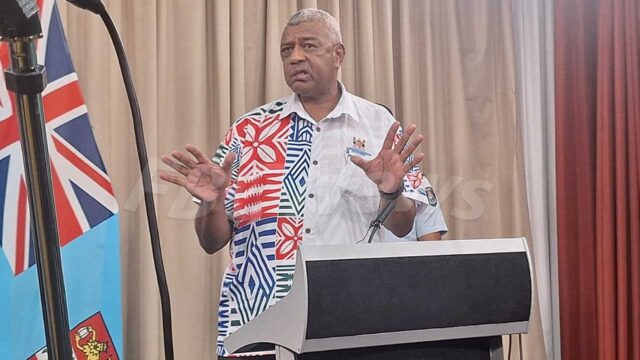
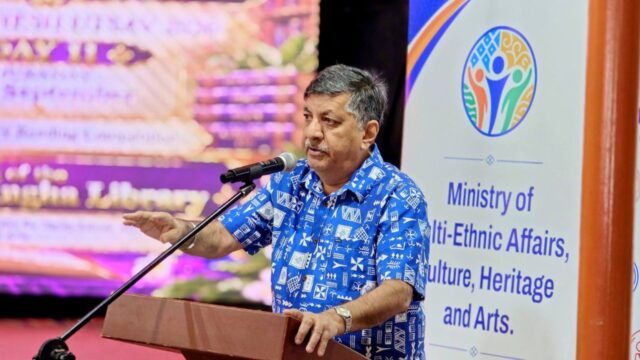
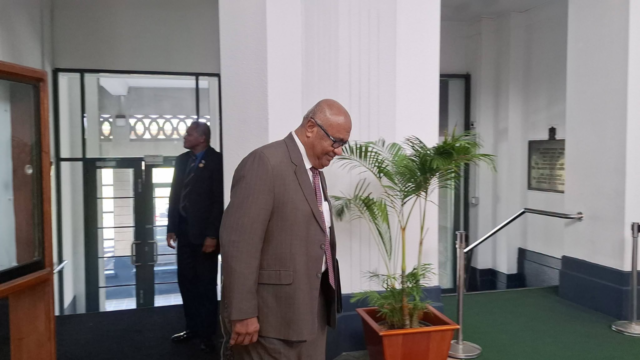
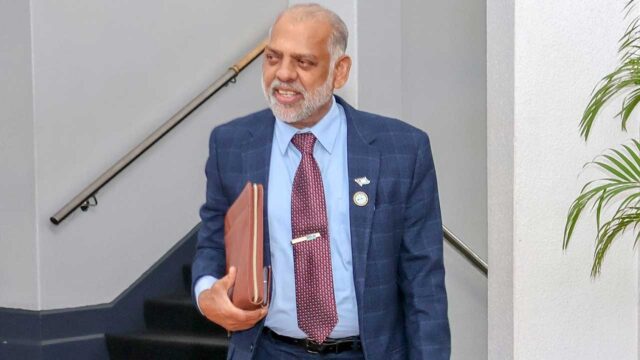
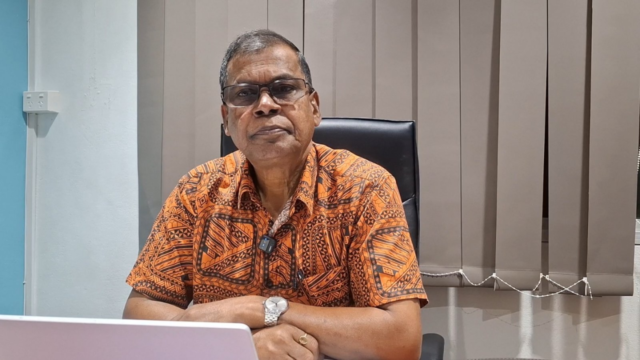
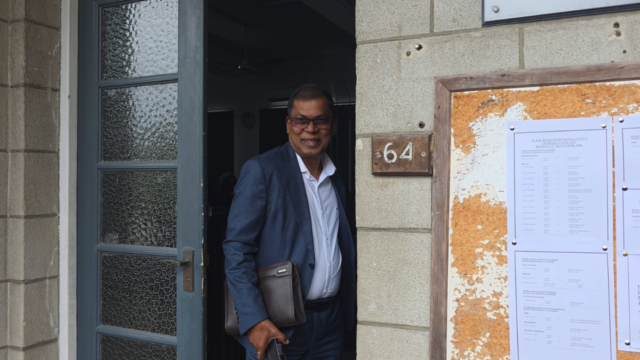
Finance Minister Esrom Immanuel. [Photo: FILE]
In the absence of a detailed financial assessment, Finance Minister Esrom Immanuel has warned that Fiji will inevitably feel the economic impact of the Middle East conflict.
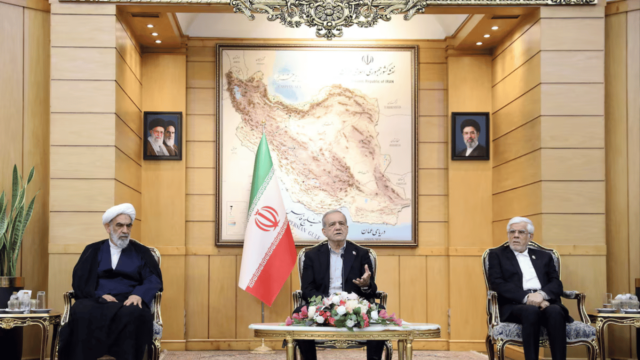
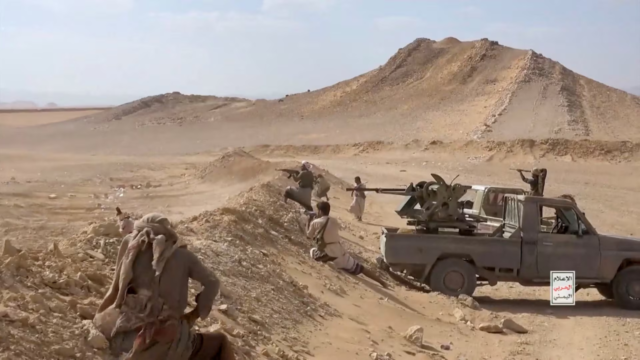
The escalating war between Iran, Israel, and the United States is already disrupting global markets and poses risks for Fiji’s import-dependent economy.
Speaking to business communities this morning at the Grand Pacific Hotel in Suva, Immanuel said global growth was already slowing.
After growth of 3.3 per cent last year, forecasts suggest further moderation in the coming years, with the medium-term outlook remaining below long-term averages.
Escalating geopolitical crises are a key downside risk, while inflationary pressures linked to supply shocks and strategic pricing remain a concern.
“Because we import most of the goods, including the major import that we have, which is fuel or energy. So it raises concern over our energy security, stability in our trade routes as well, and there will be price pressures on us going forward. We haven’t analysed in detail the financial ramifications, but we are certain that it will affect Fiji.”
Any disruption in global oil supply or shipping lanes, Immanuel said, could create domestic price pressures. Fuel is central to transport, electricity generation and maritime shipping.
Higher global oil prices would likely increase operating costs for businesses and living costs for households if the conflict intensifies.
The Minister highlighted Fiji’s persistent trade imbalance, with imports continuing to exceed exports.
In a volatile global climate, this increases exposure to external shocks. Rising freight costs or disrupted supply chains could add further strain.
Despite these risks, Fiji’s inflation performance has been relatively stable, with a 12-month average to February of negative 1.8 per cent and month-on-month inflation at negative 0.5 percent, though global instability could reverse that trend.
Foreign reserves remain sufficient, supporting financial stability, while the banking system maintains ample liquidity with low interest rates.
Tourism, which contributes about 35 to 40 per cent of the economy, could face indirect pressure.
Visitor arrivals and tourism earnings grew modestly last year but global instability may affect travel confidence and spending patterns.
Fiji’s competitiveness is also challenged by higher holiday costs compared with other destinations.
Addressing fiscal policy, Immanuel emphasised discipline. Government plans aim to contain operational expenditure, optimise capital spending and reduce the net deficit to around 4 per cent in the medium term.
The Minister urged the private sector to maintain fair pricing, improve efficiency, and support households as global commodity prices fluctuate.
Despite global uncertainty, Immanuel states that Fiji’s economy is performing comparatively well within the region.
The investment pipeline has expanded to about $7.6 billion, with projects in real estate, tourism and transport at various stages. Immanuel said strong connectivity, established institutions and growing international engagement position Fiji as a Pacific economic hub.
While geographically distant, Immanuel points out that the Middle East conflict may affect Fiji through fuel prices, trade costs, and weaker global growth.
As preparations for the 2026–27 National Budget continue, the government is inviting private sector submissions.
Immanuel said that cooperation between government and business would be critical to navigating global instability and protecting Fiji’s economic resilience.