 FBC News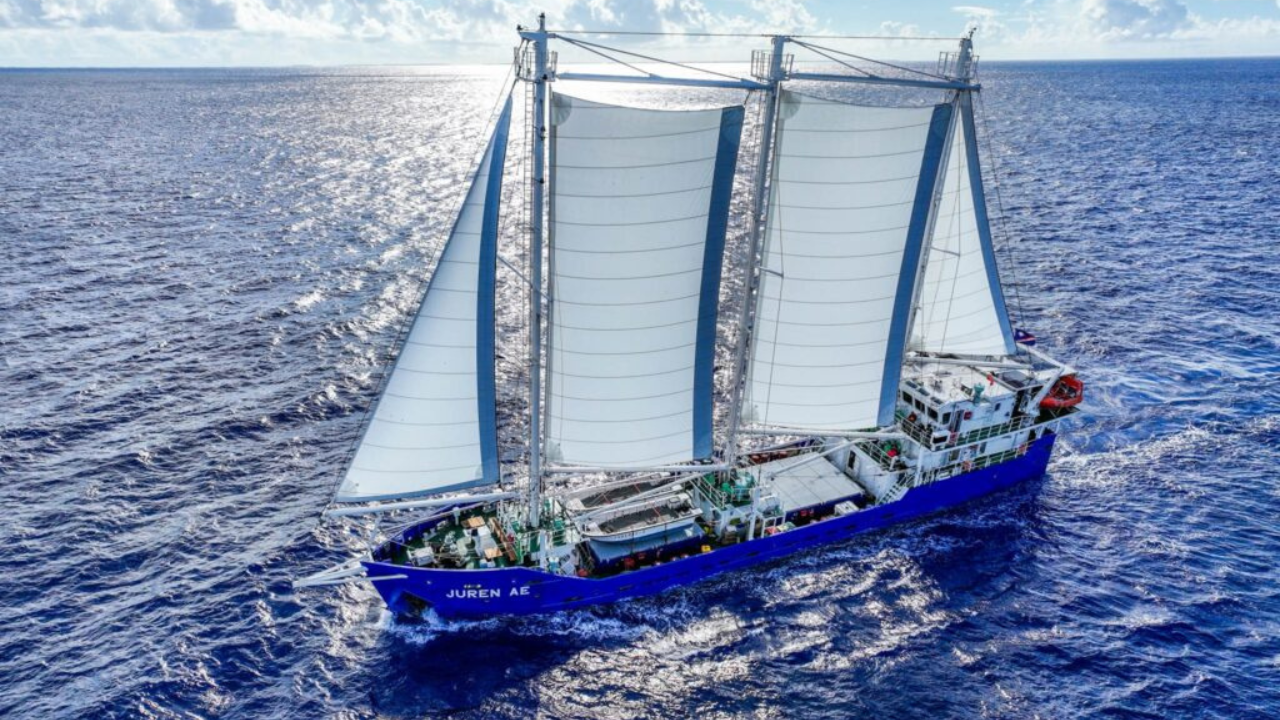
[Photo: SUPPLIED]
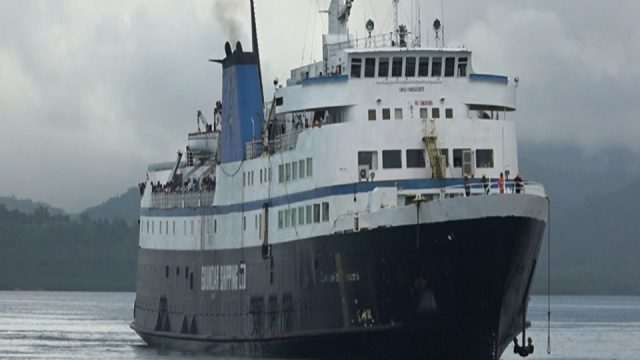
As the world grapples with soaring fuel prices as a result of the Middle East conflict, a Pacific initiative may provide an alternative green solution to inter-island shipping.
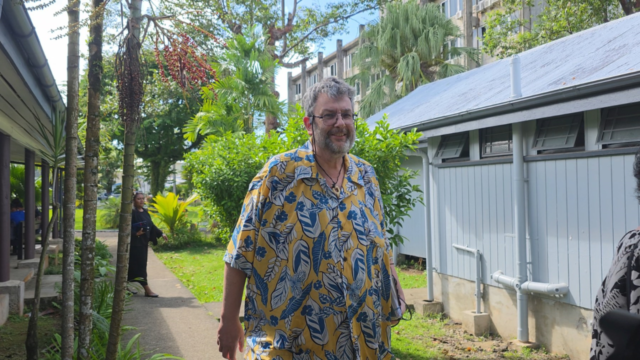
A recent study co-authored by the Micronesian Centre for Sustainable Transport (MCST) and Christiaan De Beukelaer, a Senior Lecturer in Culture and Climate at the University of Melbourne, is looking at the Pacific Blue Shipping Partnership.
The study explores opportunities that the cultural, historical, and technological aspects of wind-propelled shipping in the Pacific present.
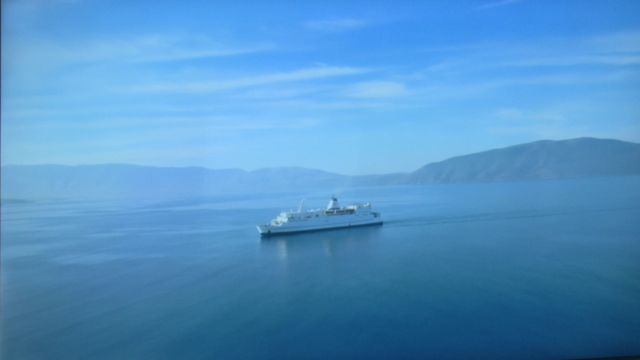
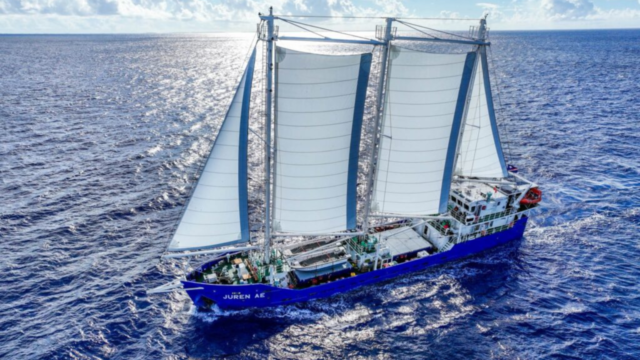
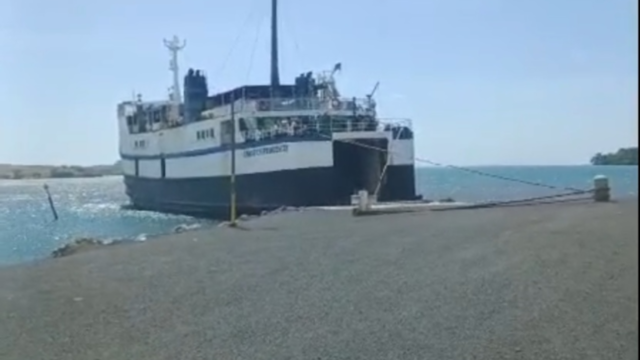
It highlights the recent delivery of the modern sailing cargo ship SV Juren Ae to the Marshall Islands as a Pacific-led milestone.
The authors of the study demonstrate how this proof-of-concept vessel could be scaled and deployed across multiple routes in multiple Pacific Island States.
The Juren Ae is now operating in the Marshall Islands.
This prototype for low-emission cargo shipping using wind propulsion marks a significant milestone.
Hundreds of new vessels are needed to ensure energy independence, lower transport costs, and reliable service.
While going from one prototype to a full fleet is complex, costly, and challenging, the
Juren Ae proves that the practicality of wind-powered cargo shipping is a solution for Pacific island sea transport.
For Pacific Island nations facing high fuel costs and complete dependence on imported fuels, working vessels like this offer a realistic pathway to energy security, lower transport costs, and reduced emissions.
MCST sees global collaborations like these as central to our work: we build research partnerships to tackle complex challenges together, the Pacific way.
The PBSP is not an initiative parachuted in by outside consultants; it has been developed by Pacific Islanders and grounded in local knowledge.
Though it is not work we do in isolation. Collaborations like this article, with colleagues at Solomon Islands National University, the University of Hawaii, Transport Ministries in the Marshall Islands and Fiji, as well as the University of Melbourne, help us strengthen our strategic initiatives while building long-term research capacity within MCST and the Pacific,” says Maria Sahib, MCST Co-Director and article co-author.