 Litia Cava
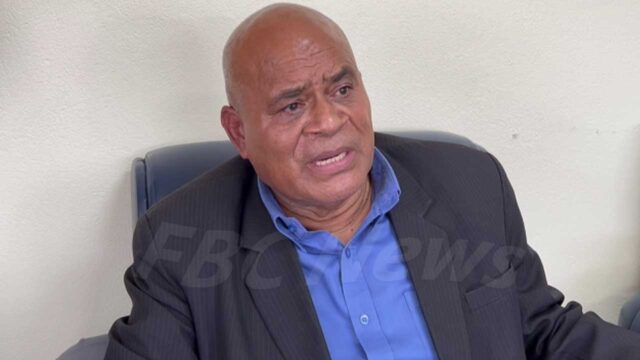
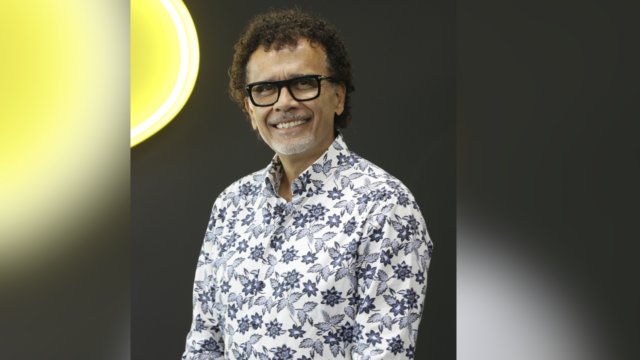
Retaining constitutional immunity could weaken safeguards against future coups, former journalist and 2000 coup participant Joe Nata warns.
He is calling for the immunity clause to be removed, arguing that anyone who illegally seizes power must face prosecution once they leave office.
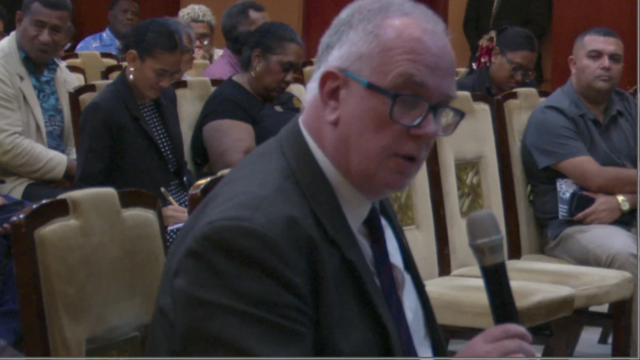
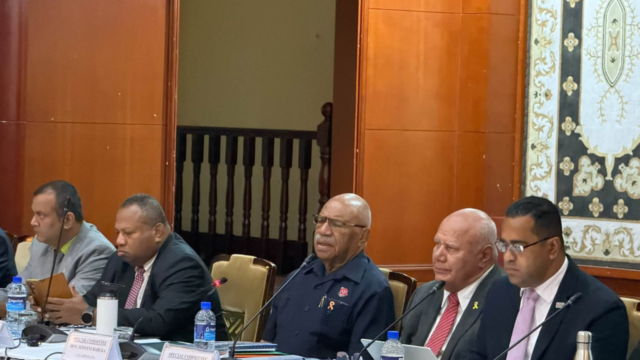
In his submission to the Cabinet Special Committee on the Constitution Amendment Bill, Nata is calling for the removal of immunity provisions, including protections for those involved in past political upheavals.
He says his position is not driven by a desire for retribution but by the need to deter future coup plotters and prevent another illegal takeover.
Nata says he has no desire to see those responsible for previous coups prosecuted.
However, he draws a distinction between pursuing past offenders and establishing a clear constitutional safeguard against future coups. He proposes including a commitment in the Constitution’s preamble that coup makers will not be granted immunity and will be tried in court.
He argues that retaining immunity risks sending a dangerous message to future leaders that they could seize power illegally and later protect themselves from prosecution.
Nata said this would undermine efforts to build a stable democracy and could deepen insecurity among descendants of Girmitiyas, who were among the communities targeted during previous coups.
Nata also challenges the proposal to extend immunity to other public servants, describing the move as difficult to justify.
He said the provisions could encourage abuses of authority and contradict the concerns raised by key institutions, including the Republic of Fiji Military Forces, the Bose Levu Vakaturaga, the Fiji Law Society and civil society groups.
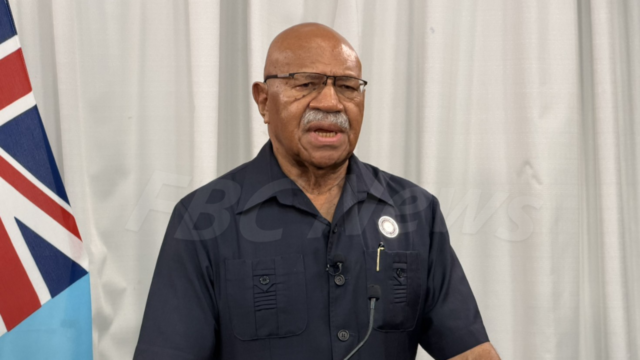
He has urged the committee to take seriously the position of Military Commander Major General Jone Kalouniwai, who has opposed retaining immunity.
Nata also points to the Commander’s alternative proposal for disclosure-based immunity through an expanded Truth and Reconciliation Commission, which he believes could offer a fairer way to address the past.However, Nata cautions that removing immunity alone will not end Fiji’s coup culture. He argues that the country must confront the historical grievances, economic disparities and racial divisions that continue to undermine national unity.
He says the economic security of iTaukei communities remains a central issue that must be addressed alongside constitutional reform.
Nata is advocating partnerships between iTaukei landowners and Indo-Fijian businesses, including a proposed privately managed fund to support iTaukei business development.
He is also calling for deliberate efforts to strengthen relationships between communities, including encouraging non-iTaukei Fijians to participate in village life and promoting shared economic and social initiatives.
Beyond immunity, Nata has proposed several other constitutional changes. These include limiting the Prime Minister to two terms, electing senators for the same term as members of the House of Representatives, and reviewing the powers of senior officers in the police, corrections and military services.
He also wants iTaukei language taught as the second common language in schools, a review of the Senate’s role, and changes to the structure of the presidency and executive government.
Nata, who spent 24 years in prison for his role in the 2000 coup led by George Speight, says constitutional reform must go beyond changing institutions.
He argues that Fiji must confront the conditions that enable coups while building stronger safeguards against the illegal seizure of power.
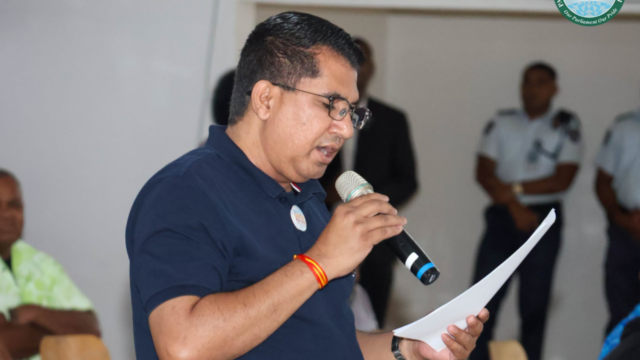
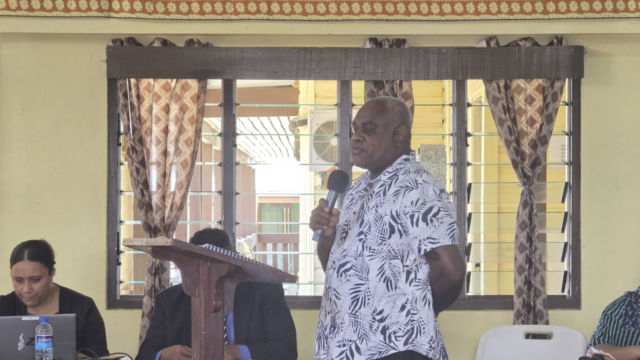
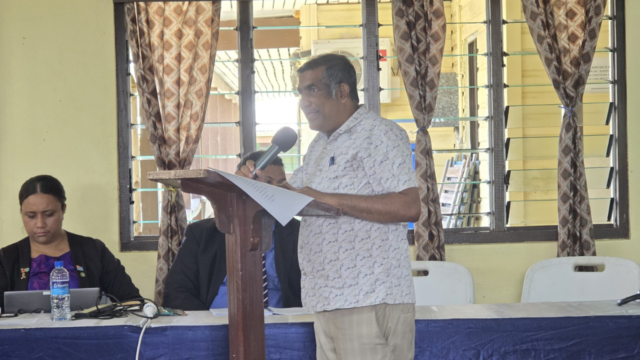
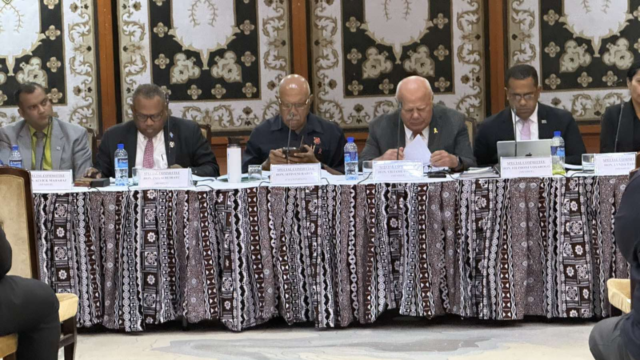
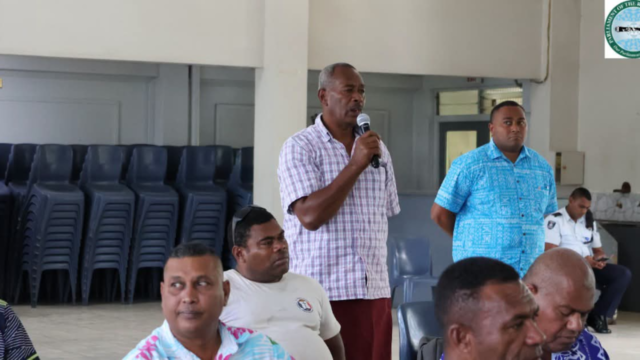
He appeared before the committee in Nadi.