 Riya Bhagwan
[Photo: Supplied]
The current climate financing model fails to account for Fiji’s and the Pacific’s geographical and logistical challenges.
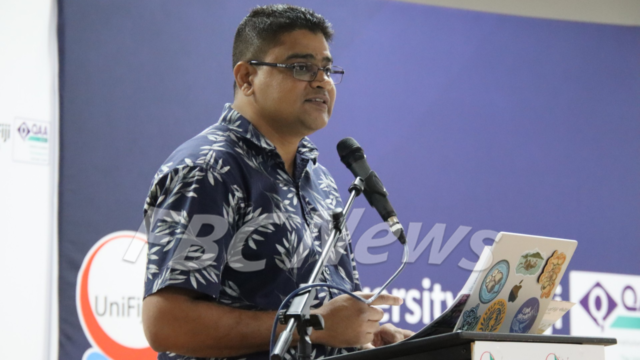
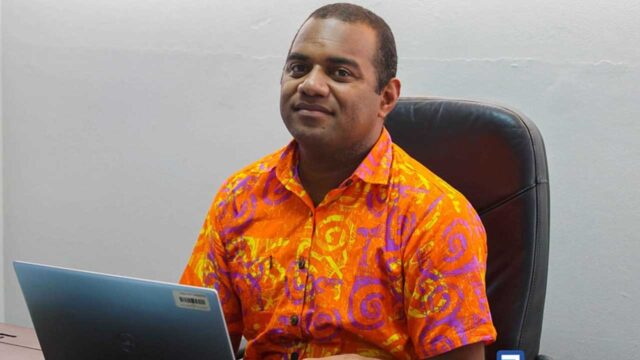
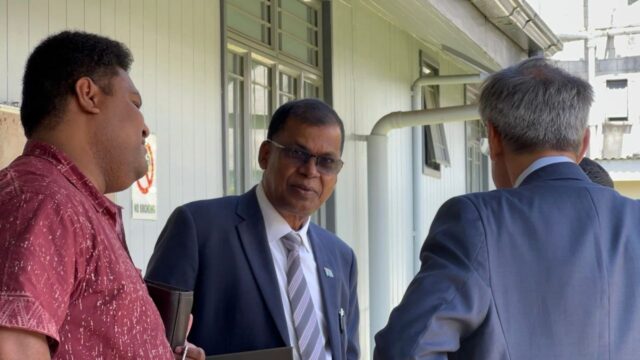
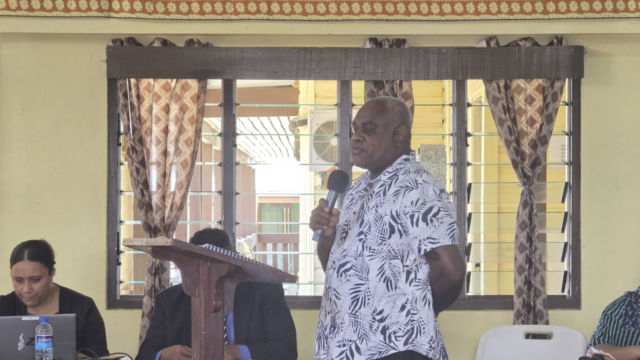
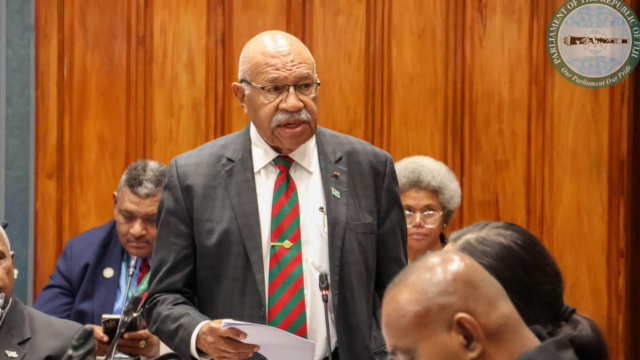
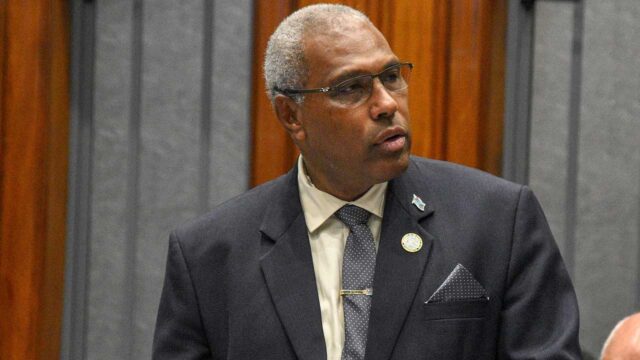
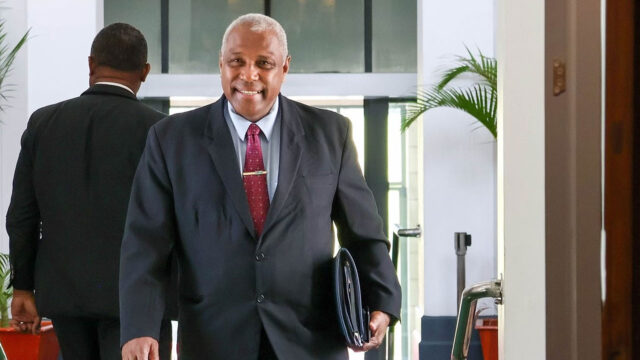
This, according to Permanent Secretary for Environment and Climate Change Dr Sivendra Michael, who says a “one-size-fits-all” approach is not working for Pacific communities.
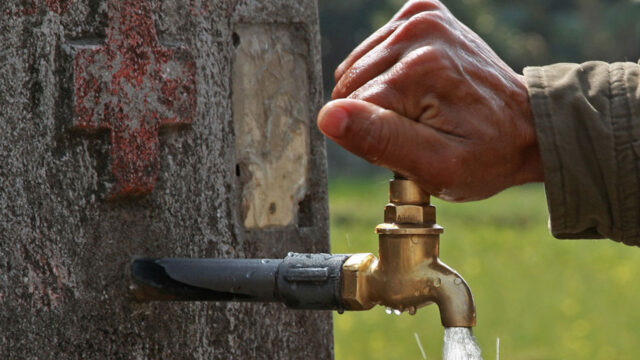
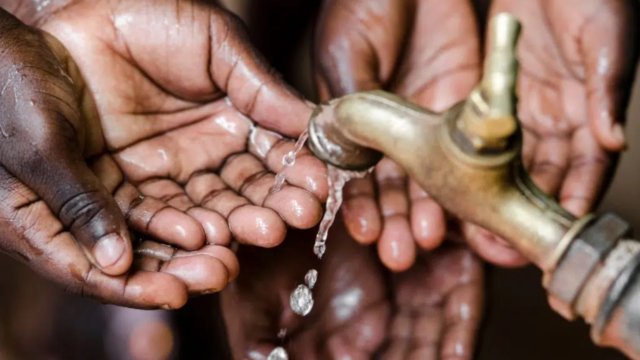
He cited water tanks as an example, saying installation can cost between $2,000 and $3,500 on Viti Levu.
However, the same water tanks could cost significantly higher in the outer islands due to additional logistical expenses, which he says the government is forced to bear.
“Transporting the workers, getting the village involved, making sure that the community workers are also remunerated. I think these are the kinds of development paradigms that the development partners need to understand and operationalize the special circumstances.”
He is urging development partners to rethink their financing structures to better reflect Pacific realities.
The IUCN, which works across the Pacific on climate resilience projects, also agrees that there is a significant gap between what the Pacific needs and what is available.
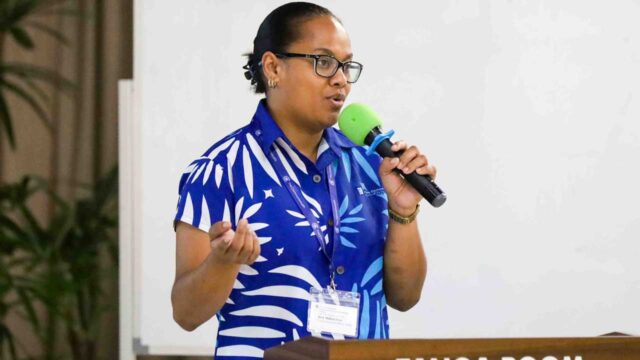
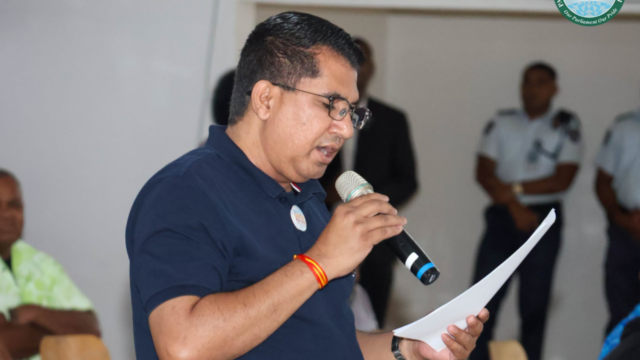
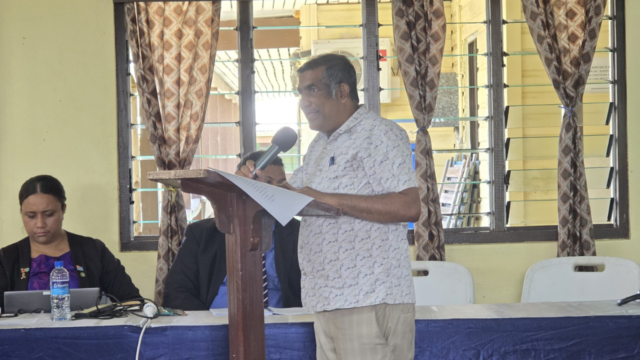
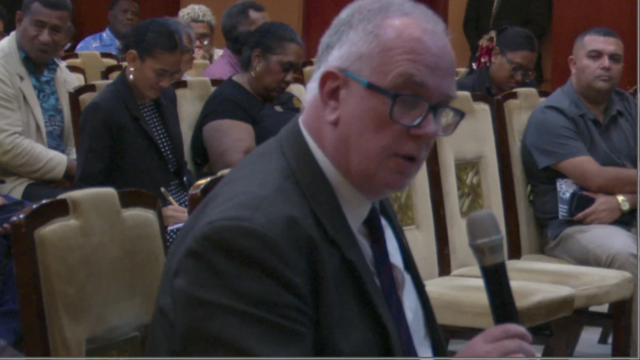
IUCN Regional Nature-Based Solutions Programme Coordinator Vinay Singh says financing remains a major challenge for climate adaptation and resilience.
He says funding pledged for the Pacific is not always translated into projects and outcomes on the ground.
There is now a strong call for development partners to rethink their financing systems, ensuring it accounts for the unique needs of different countries.
between Fiji and Palau remains an important part of the relationship between the two countries.