 Ritika Pratap
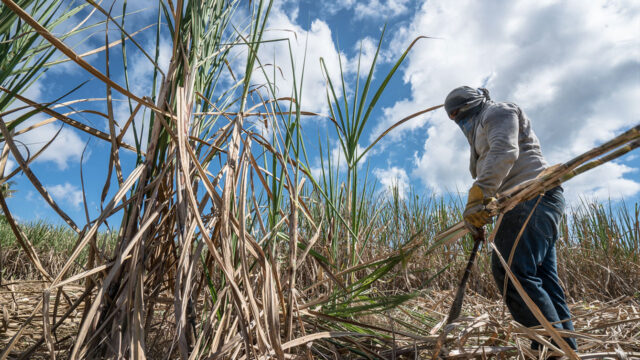
[Photo: File]
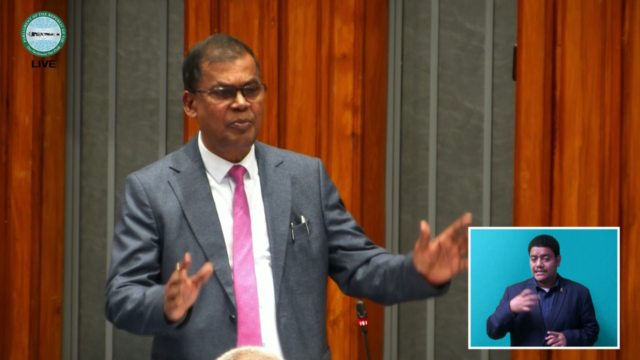
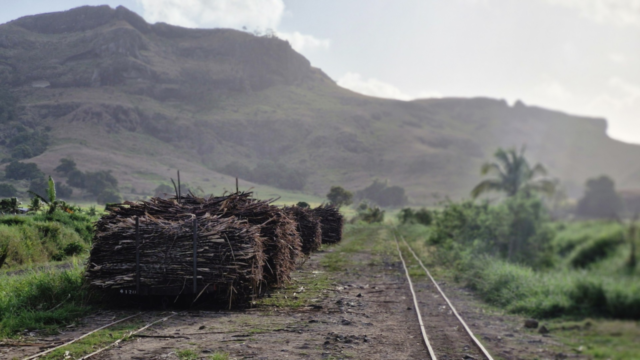
Agriculture Minister Tomasi Tunabuna says that while modernizing the sugar industry is vital, affected communities must be supported.
Tunabuna stresses that the goal is to build a stronger, more sustainable agriculture sector while keeping sugar viable where it still provides a sustainable livelihood.
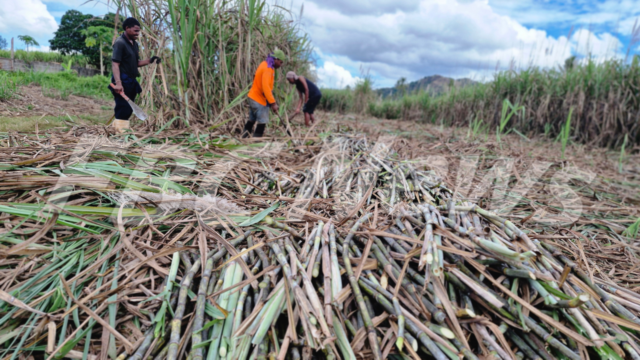
Speaking on the Fiji Sugar Corporation’s 2023 and 2024 annual reports, he highlighted that rising production costs, labor shortages, land issues, and climate impacts have made it hard for some growers to stay afloat.
“I have consistently maintained that if Fiji is serious about helping the modern and competitive sugar industry, then we must be prepared to make necessary changes. We cannot continue doing things the same way and expect a different result. The recommendation on reform and modernization is therefore one that I strongly support.”
Tunabuna stresses that supporting farmers doesn’t mean keeping everyone in sugarcane production indefinitely, especially when economics show cane farming alone is no longer sustainable.
“We cannot simply tell our farmers to leave the industry without providing practical alternatives. This means identifying opportunities for farmers to diversify into other crops and agricultural activities that are sustainable to their land, location, and market opportunities.”
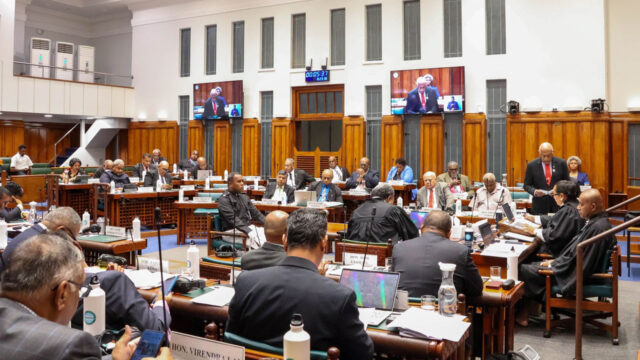
Tunabuna supports the recommendation by the Standing Committee on Economic Affairs for broader reform and modernization of the sugar industry.
He stresses the industry cannot continue operating on a structure designed for a different time, adding that any reform must also recognize the human dimension.
An EU-backed study is currently examining agricultural diversification to help build long-term, sustainable programs for shifting farmers into other productive land uses.
The goal is to use the study’s findings to build practical programs that help farmers switch to alternative crops without creating new dependencies.