 Praneeta Prakash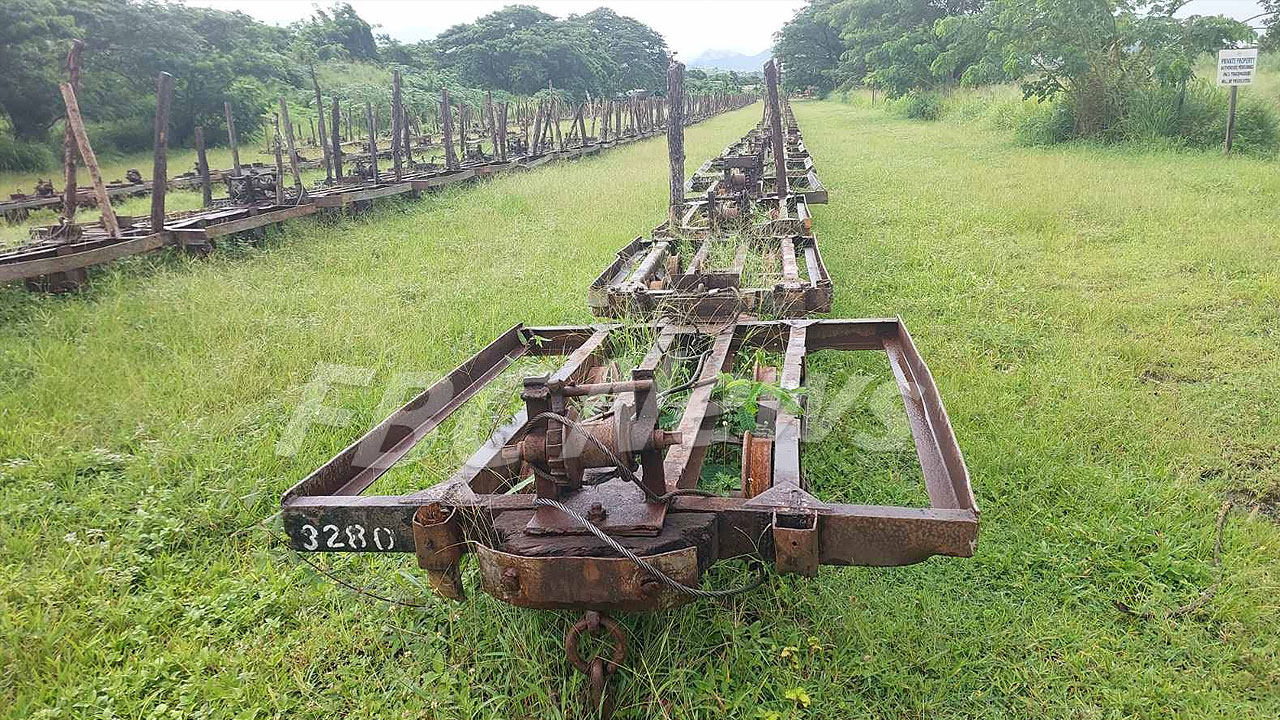
[File Photo]
Discussions are underway on the efficiency of Fiji’s sugar railway infrastructure, as government and industry stakeholders assess its viability amid changing transport patterns.
The Fiji Sugar Corporation has proposed a permanent closure of sugarcane tramline operations serving the Lautoka and Rarawai mills for the 2026 crushing season.
However, growers strongly oppose this.
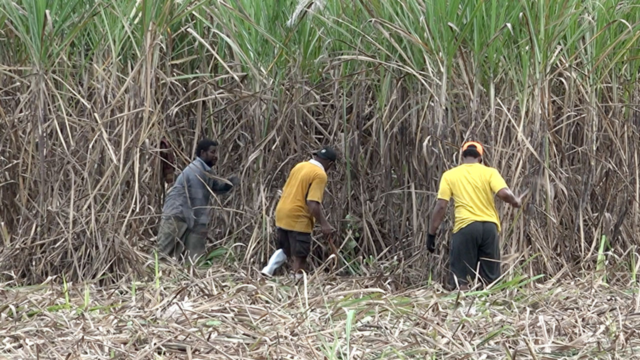
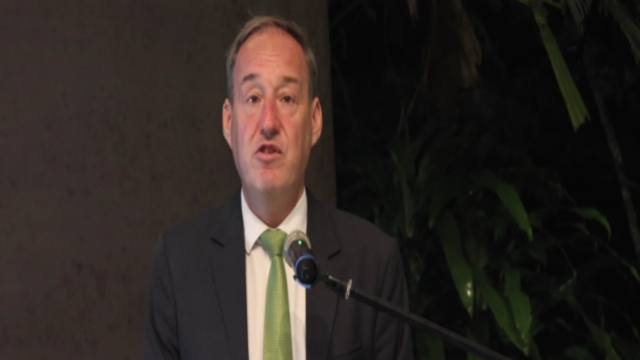
Former Sugar Minister Charan Jeath Singh says rail is now used by a few farmers, with most cane transported by trucks, making tramlines costly for FSC to maintain.
“FSC actually is basically running at a loss by running the trains and the locomotives. So they argue that we cannot sustain, whereas the small number of farmers that are complaining, if you really see the percentage, is far less and not viable. So they will be given a subsidy down the line for them to convert from locomotives into trucks.”
Sugar Industry Minister Tomasi Tunabuna says discussions are underway on improving the efficiency of existing railway infrastructure.
“We will re-look at the situation of minimizing the cost. Now that the oil crisis is here, the fuel crisis, we would want to really look into addressing the long-term plans we have for fuel.”
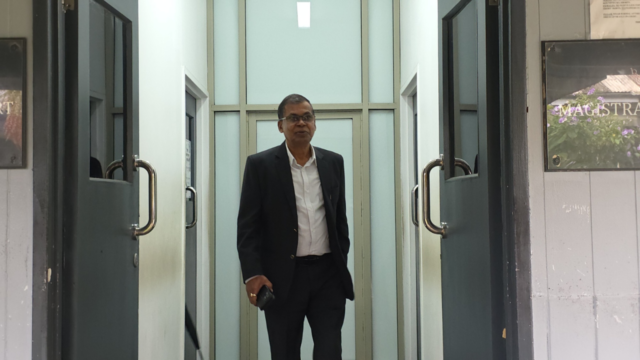
Sugar Cane Growers Council chief executive Vimal Dutt says rail transport is still the most affordable and practical option for many remote farming communities.
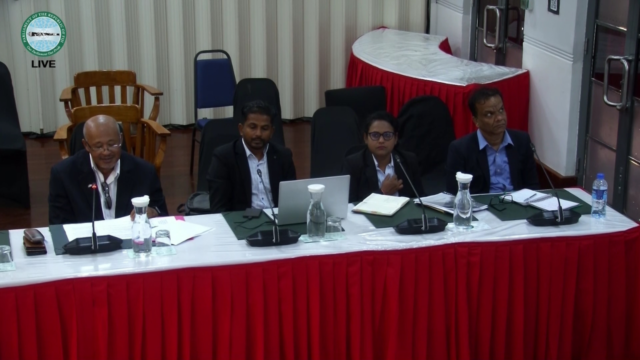
“The matter is before the sugar industry tribunal and we, the Sugar Cane Growers Council, have objected to the proposal on the basis that the mode of transportation, which is the rail delivery, is the cheapest and the safest mode of delivery of cane, especially from the remote sectors and districts.”
The decision is expected to follow further deliberations as stakeholders weigh the cost of maintaining rail services against the needs of cane growers and the long-term sustainability of the sugar industry’s transport system.