 Litia Cava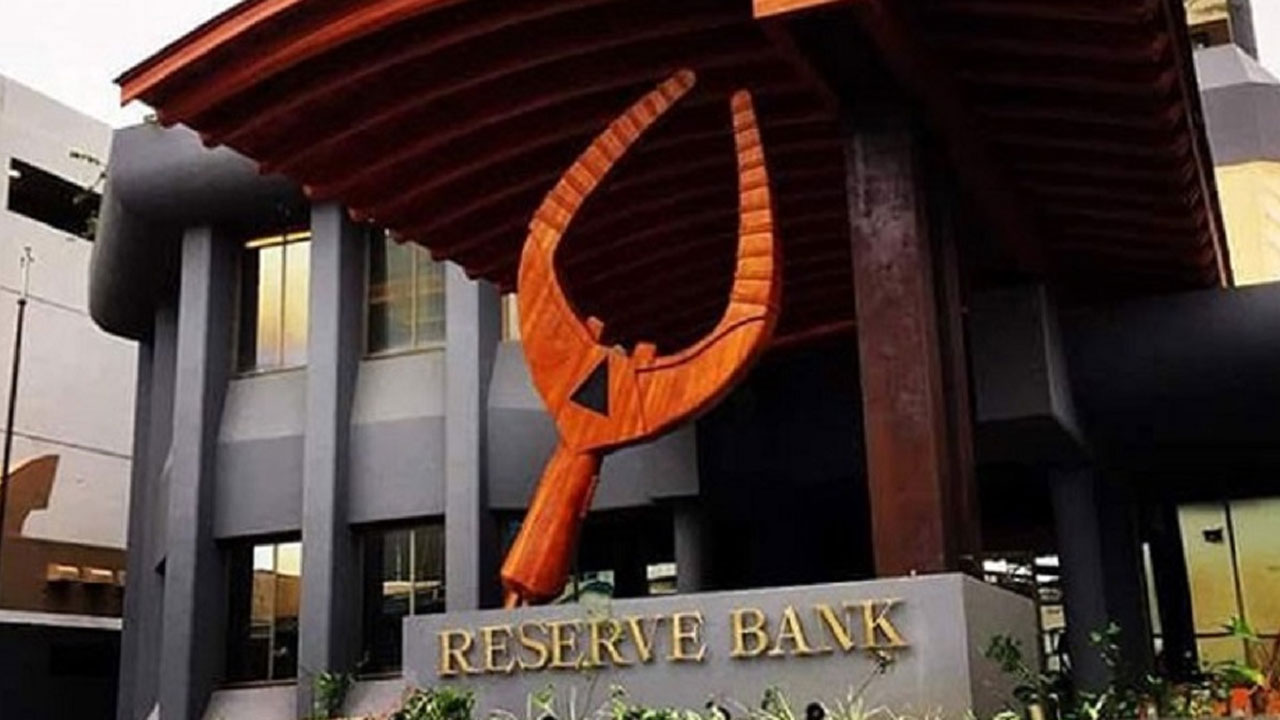
[Photo: FILE]
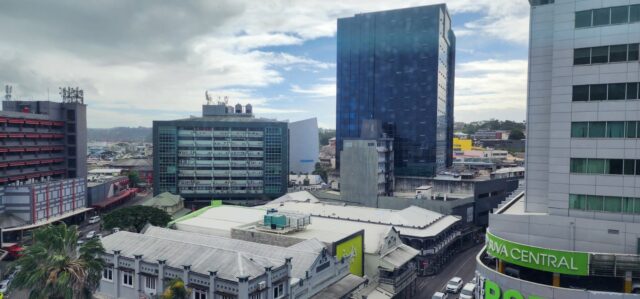
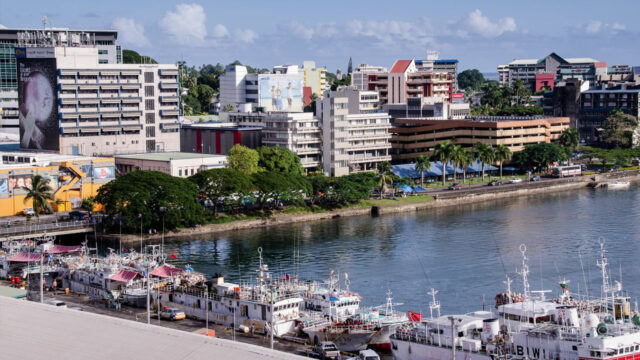
Fiji’s inflation rate has dropped slightly, but households are likely to face more price increases in the coming months.
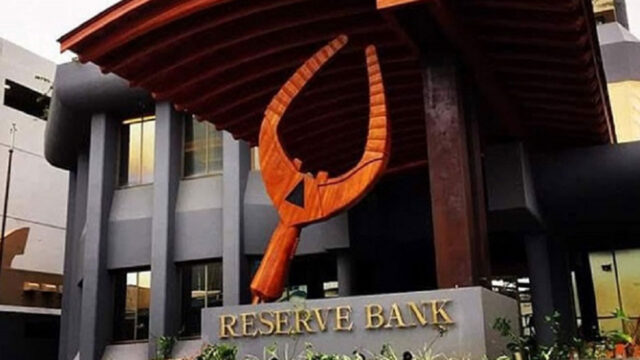
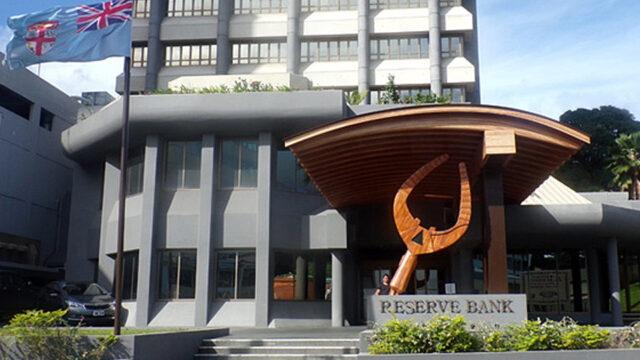
The Reserve Bank of Fiji stated that inflation fell from 6.1 per cent in June to 5.7 per cent in July.
But the central bank warns inflation could rise again from this month.
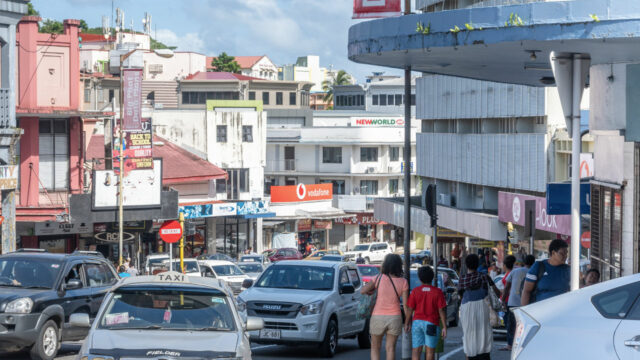
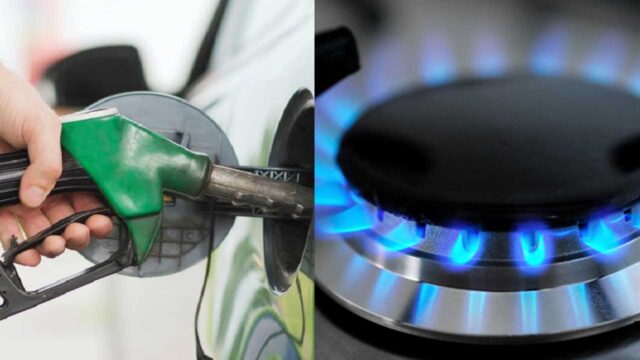
The removal of bus fare subsidies will add to transport costs, while higher global fuel and freight prices could push up the cost of goods.
Bus passengers will start paying the full fare from this month. A Stage One fare will increase from 92 cents to $1.02.
Transport was already the biggest contributor to inflation in July.
Fuel and taxi fares drove much of the increase, while higher prices for kava, food and household utilities also added pressure.
Despite the rising cost of living, Fiji’s economy continues to show growth.
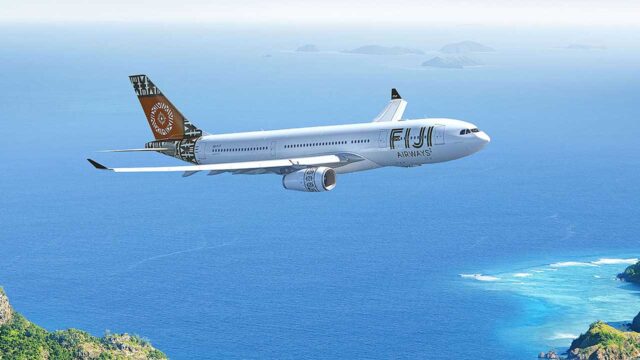
Tourism remains strong, with 105,791 visitors recorded in July, the highest number ever recorded for the month.
Visitor arrivals were up 6.5 percent compared with July last year.
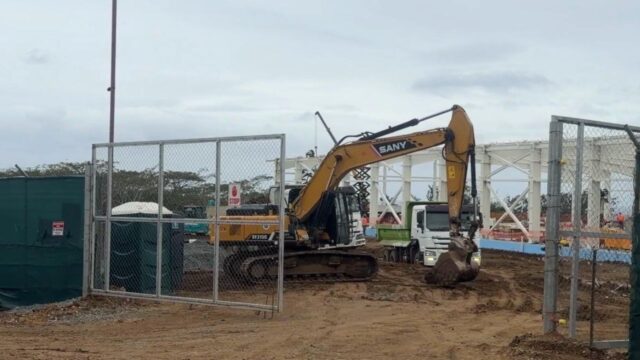
Investment is also picking up. New investment lending rose 38.3 percent, while domestic cement sales increased 38.2 pe rcent.
However, the labour market is showing some weakness.
Job advertisements fell 30.5 per cent in the first seven months of the year, even though formal employment increased to 205,596 workers.
The RBF says global tensions remain a major risk to Fiji’s economy.
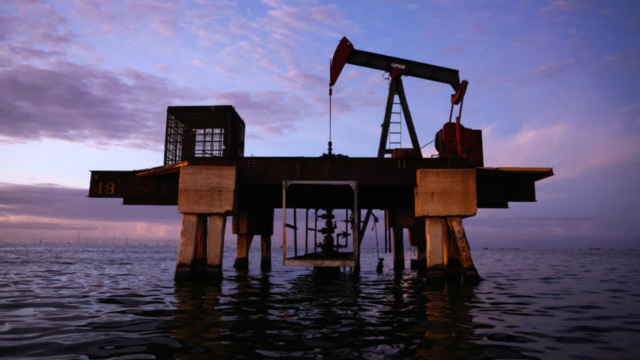
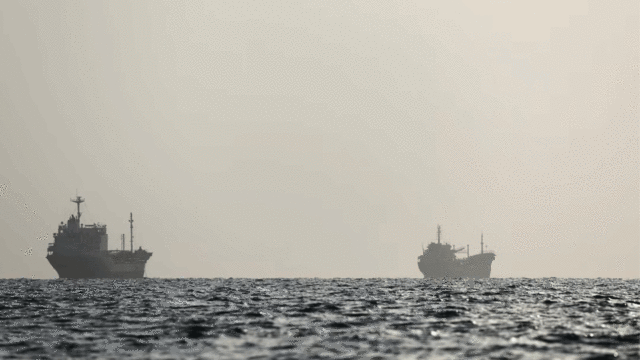
Higher oil prices, shipping disruptions and conflict in the Middle East could increase the cost of imports and put further pressure on inflation.
Foreign reserves remain strong at about $3.9 billion, enough to cover around 5.5 months of imports.
The RBF has kept the Overnight Policy Rate at 0.25 per cent and says it will continue monitoring the economy closely.