 Litia Cava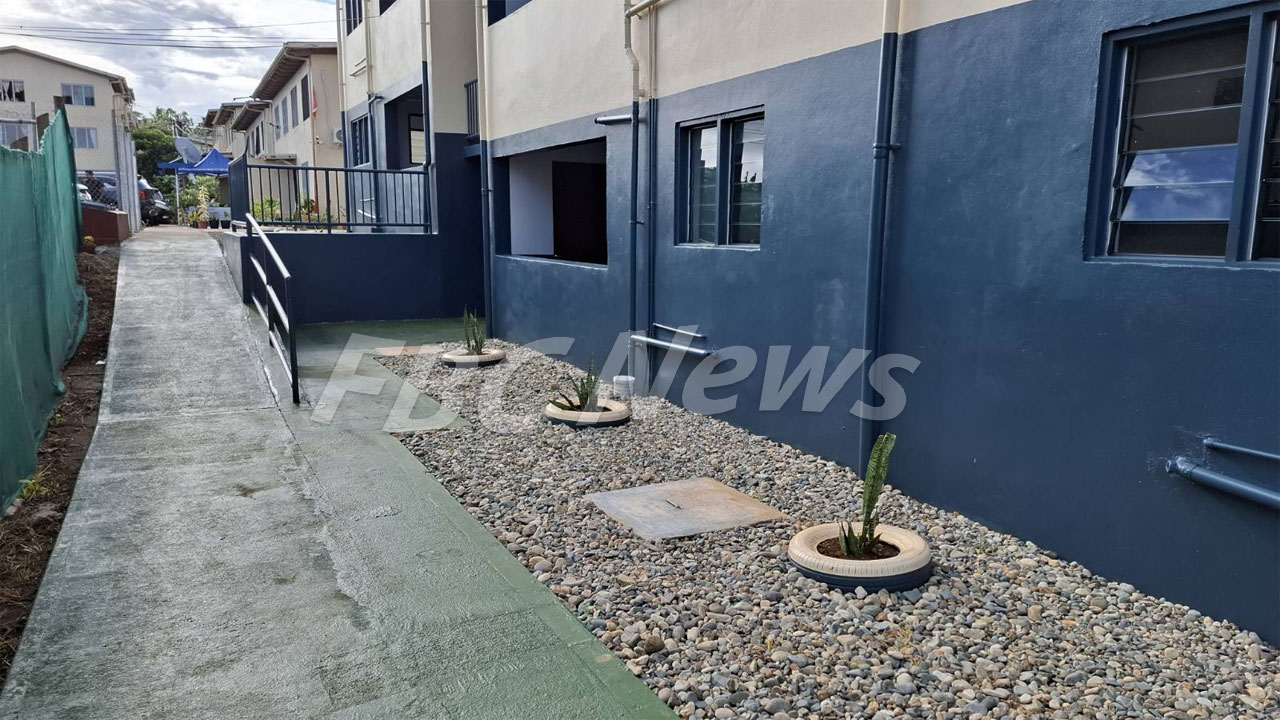
[Photo: FILE]
Housing affordability pressures and delays in access to homeownership are forcing major intervention from the Housing Authority.
The government is responding with concessional lending, large-scale land development and system reforms aimed at expanding access to affordable housing.
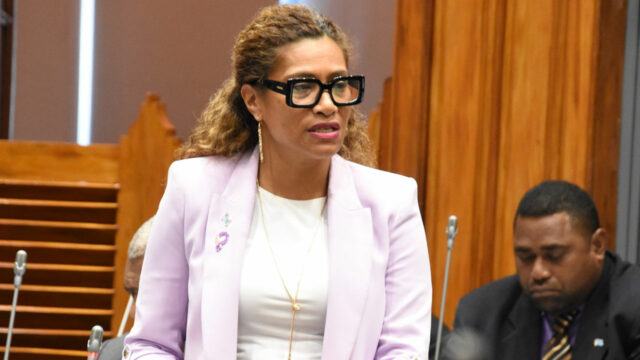
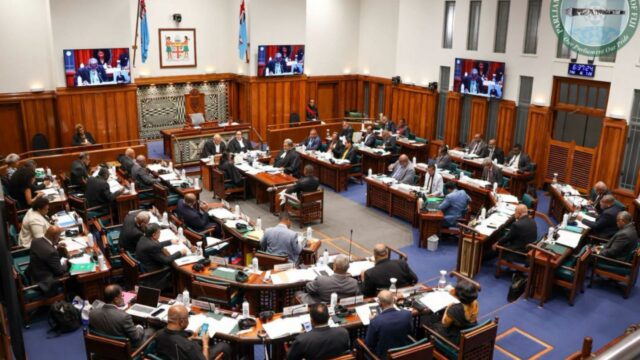
In a written response to Parliament, Housing Minister Maciu Nalumisa said affordability has been directly targeted through a new interest rate structure introduced in June last year.
Households earning below $30,000 now access a two per cent fixed rate for five years, while those earning between $30,000 and $50,000 are offered 3.5 per cent, before both tiers shift to higher variable rates from year six.
Nalumisa said the policy shift is intended to ease entry into the housing market for low and middle-income earners while maintaining financial sustainability for the Authority in the long term.
On supply, he confirmed the reintroduction of model home construction after a 30-year gap, describing it as a response to persistent delays faced by families navigating land purchase and self-build processes.
The Village Scheme has also been relaunched to extend housing delivery into rural areas and provide structured lease income to mataqali landowners.
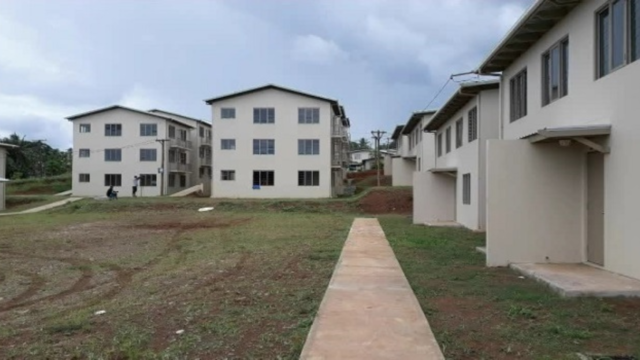
Recent delivery figures show 99 lots completed at Covata, 29 at Deuba and 57 at Tavakubu Phase 2 under a $2.7 million government grant with allocations targeting low-income households, sitting tenants and informal settlement families.
A broader pipeline is now underway across multiple subdivisions, including Nepani, Davuilevu, Tavakubu and Wainibuku, where hundreds of model homes are either under construction or scheduled for phased delivery through this year.
The developments combine serviced lots with ready-built housing in an effort to accelerate occupancy.
Looking further ahead, the Authority has outlined major projects including Tacirua Phase 2 with 298 lots, Veikoba with 537 lots, Wairabetia with 611 lots and 299 model homes and the Waila development, an 800-acre project expected to deliver around 4,800 lots between 2027 and 2032.
Nalumisa also pointed to internal reforms aimed at addressing long-standing concerns over transparency and efficiency.
These include a public barrel draw allocation system, a formal objection process for land allocations, and upgrades to digital systems such as lending platforms, electronic document management and the shift to a Business Central finance system.
He adds that the combined reforms are intended to improve delivery speed, strengthen accountability and expand access to affordable housing as demand continues to outpace supply.