 Litia Cava
[Photo: File]
Fiji must be able to maintain its border systems independently if the proposed Vuvale Union ends or either party withdraws.
The Fiji Revenue and Customs Service says it is building long-term capability, including backup and disaster-recovery systems, to reduce reliance on Australia.
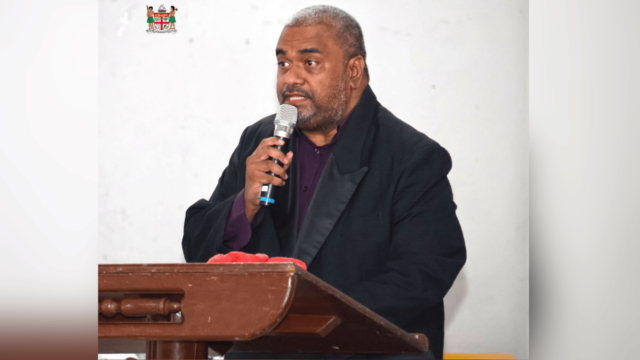
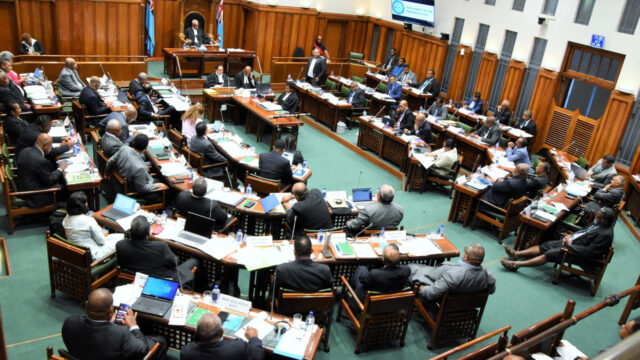
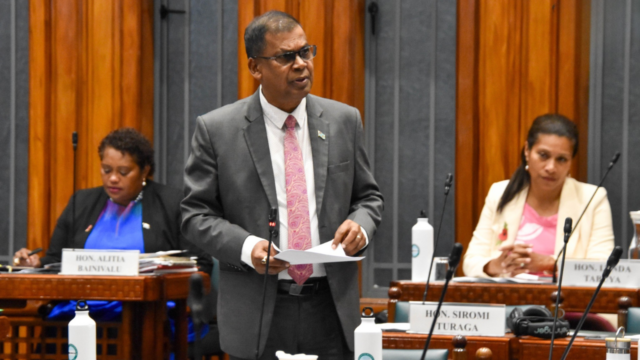
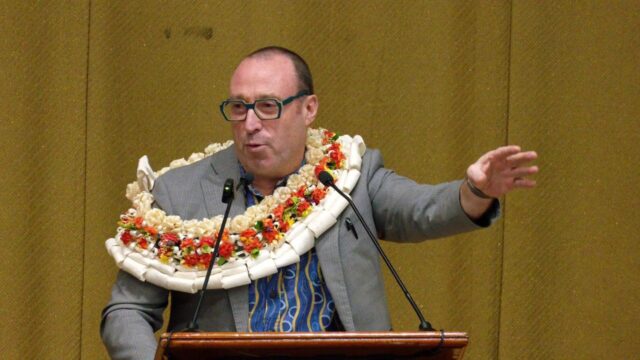
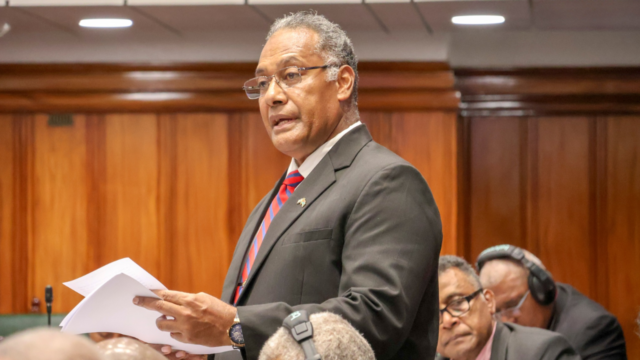
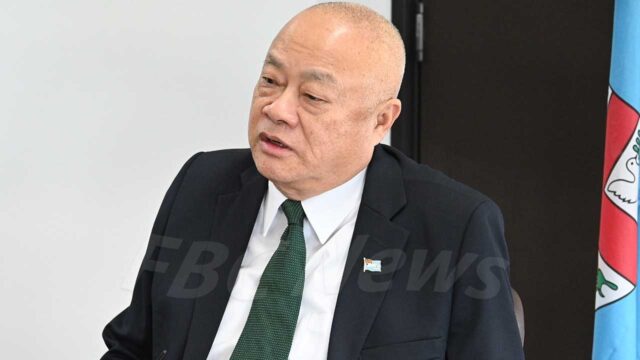
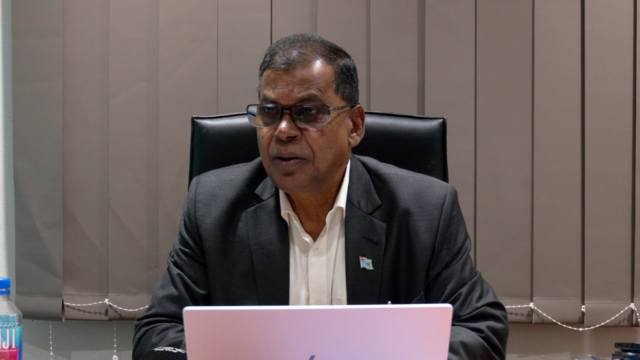
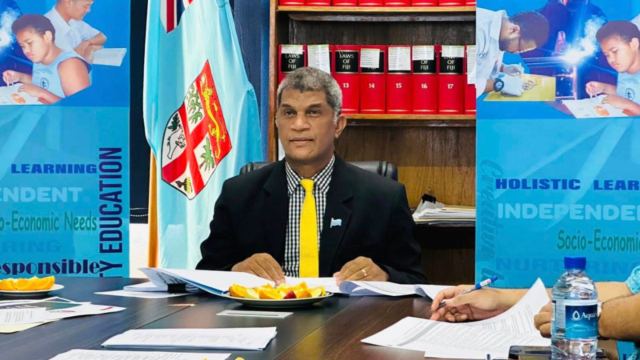
FRCS Chief Executive Officer Udit Singh made the comments while appearing before the Parliamentary Standing Committee on Foreign Affairs and Defence to discuss the proposed Fiji-Australia Vuvale Union and Ocean of Peace Alliance treaties.
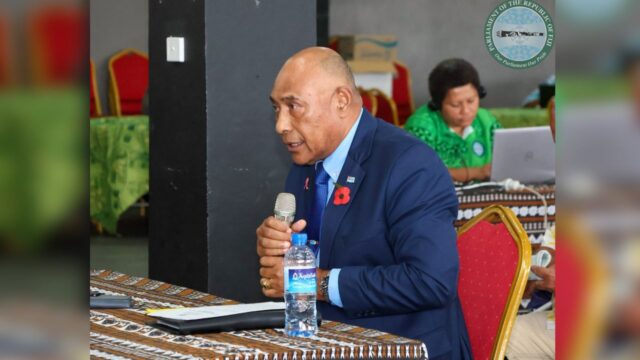
Committee Member Rinesh Sharma questioned whether Fiji’s border operations were being developed to reach standards similar to those of Australian Customs and Border Protection.
Singh says that is the aspiration.
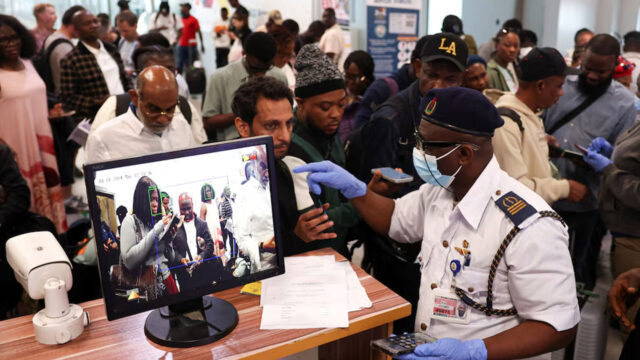
He says Australia’s border agency has a large footprint and high standards, and Fiji hopes to adopt some of the technology used by smaller Australian state and provincial operations.
Concerns were also raised over what would happen to border surveillance systems if either party withdrew from the treaty.
Committee Member Penioni Ravunawa questioned how FRCS would replace joint maritime surveillance databases, satellite tracking data and customs intelligence feeds during the 12- month transition period provided under Article 15.1.
Singh said the focus was on building lasting capability rather than making Fiji dependent on Australia.
He states that Australia is effectively teaching Fiji how to fish rather than giving it the fish.
Singh says many of Fiji’s databases remain independent but work is underway to connect them and establish frameworks that raise operational standards.
He adds that succession planning, disaster recovery and backup arrangements would be needed for every initiative that could affect government or national operations if the treaty relationship.