 Reuters
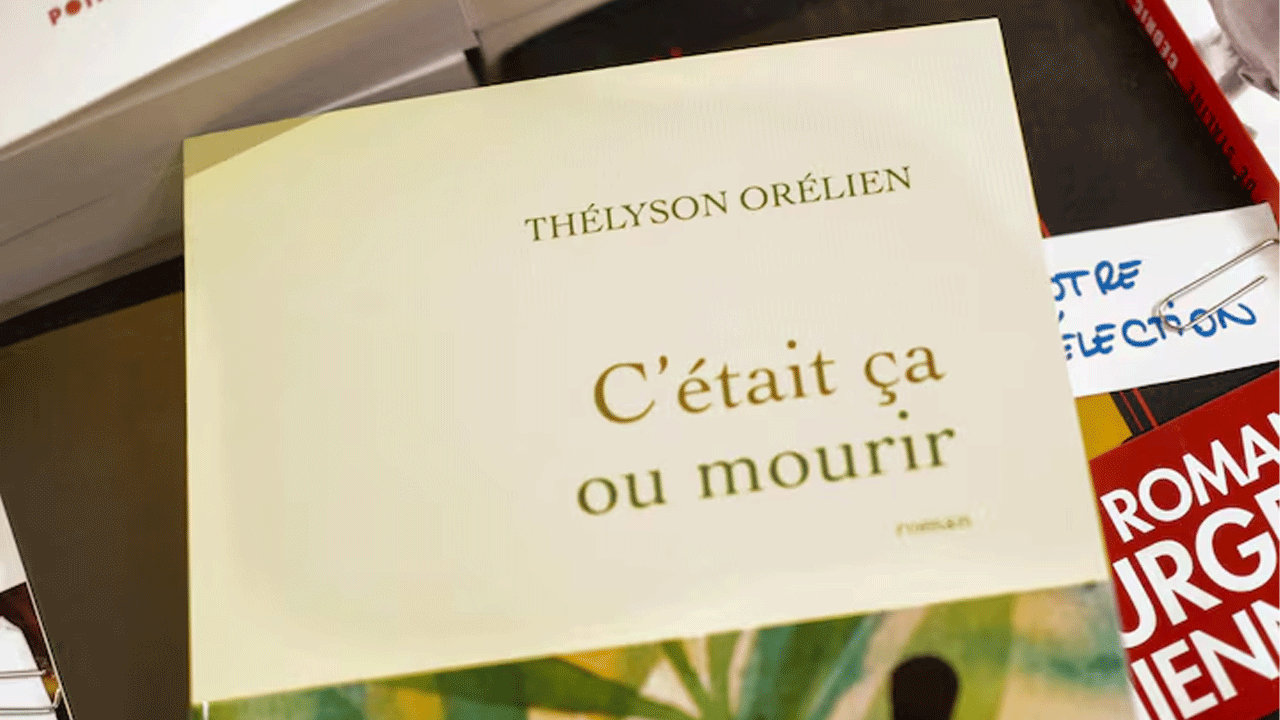
[Source: Reuters]
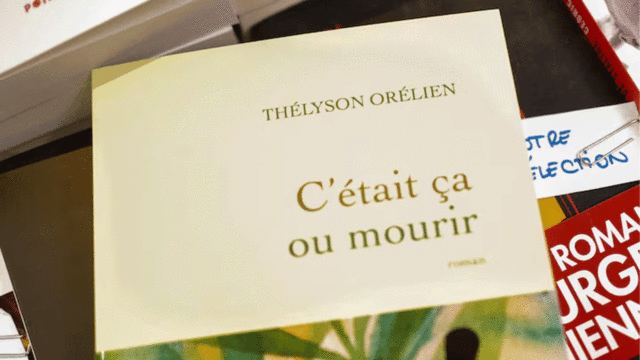
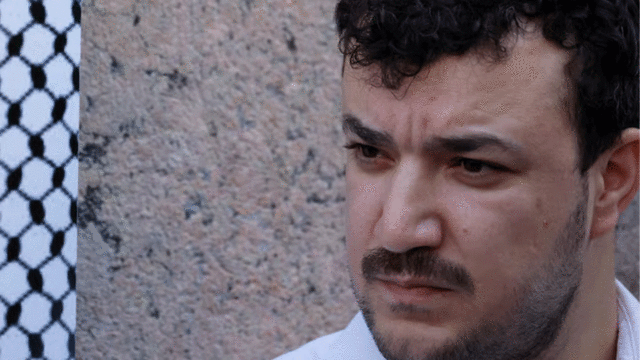
Haitian-Canadian author Thelyson Orelien rejected on Tuesday accusations that he used artificial intelligence to write his bestselling novel but admitted he had plagiarised in the past.
In a letter sent to Reuters and other media by his French publisher Grasset, Orelien for the first time addressed in detail allegations that his award-winning novel published this year, “C’etait Ca ou Mourir” (“It Was Either That or Die”) was written using AI, as well as accusations of past plagiarism.
A little-known X account “Balance ton Claude” had said in September that an AI detection tool had shown the 2026 novel was written almost entirely by AI. French essayist Samuel Fitoussi later claimed ownership of the account, saying he managed it with other unidentified individuals.
Then, Canadian newspaper La Presse said that a 2012 short story by Orelien had plagiarized passages from a book by French author Louis Pauwels, while a 2013 opinion piece copied from The Philippine Star newspaper.
Orelien denied he used AI but acknowledged the past plagiarism, saying admiration for other writers did not justify presenting their work as his own and calling his actions “unacceptable mistakes.”
He said that “criticism is always legitimate, but the threats, media lynching, and racist harassment I have been subjected to for weeks are unbearable”, adding that he wants his novel to be judged “for what it is”.
The allegations have ignited a debate about race, literary merit and originality that has roiled the French literary establishment.
“C’etait Ca ou Mourir” is the 37-year-old’s debut novel and tells the story of a Haitian migrant who travels north through Latin America before ending up in Canada.
It has won a host of literary awards, and was due to be translated into multiple languages.
“This novel, I wrote it myself. It comes from my wounds and those of other migrants. That wound of exile, from which one never heals.
This novel is its fruit; it is the fruit of my labor; it is my creation”, Orelien wrote in the letter.
Following the AI and plagiarism accusations, the organisers of the French Goncourt literary prize removed the book from their longlist.