 Sainimili Magimagi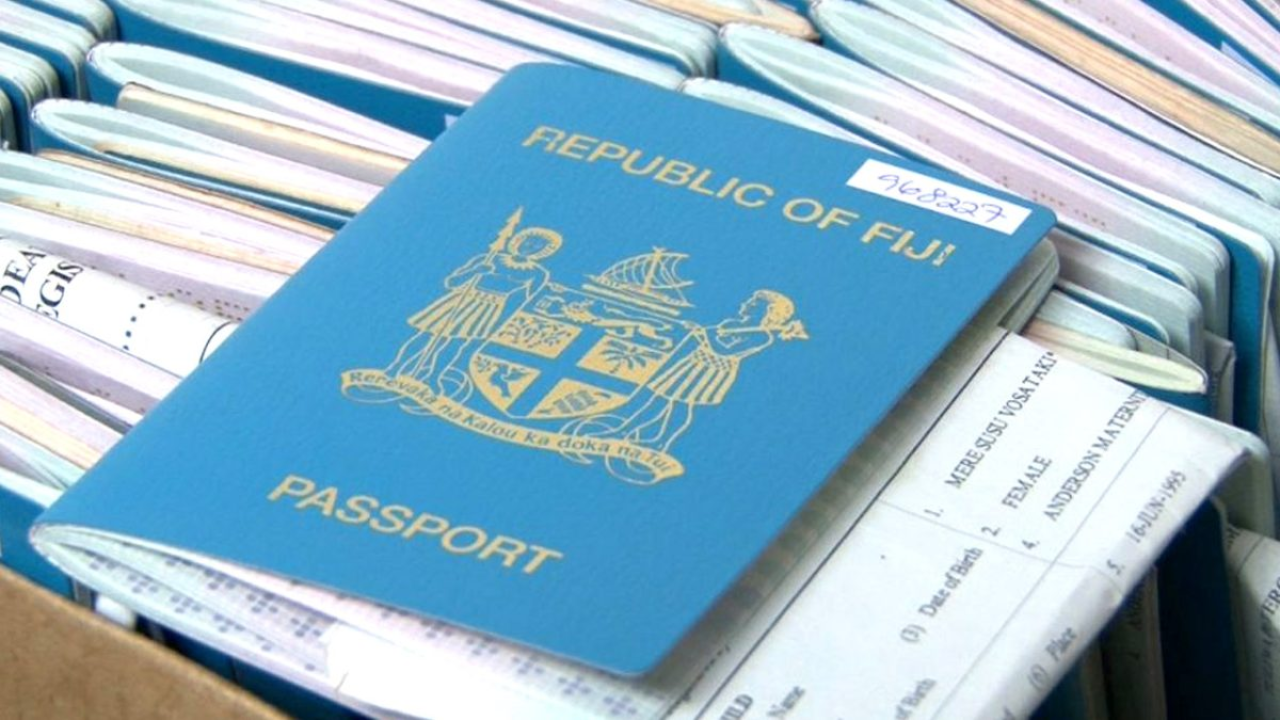
[Photo: FILE]
Minister for Immigration Viliame Naupoto says the three new amendment bills, Immigration Act 2003, the Passports Act 2002, and the Citizenship of Fiji Act 2009, are designed to modernise Fiji’s immigration, travel document, and citizenship systems.
Speaking in Parliament, Naupoto said the reforms are aimed at strengthening border security, improving administrative processes, and aligning Fiji’s laws with current international standards.
Naupoto says the Immigration Amendment Bill introduces changes to border security systems, including the use of advanced passenger information and passenger name records to improve screening before travellers arrive in Fiji.
He says the bill also introduces a clearer administrative structure, separating ministerial policy responsibilities from the day-to-day operational powers of the Permanent Secretary.
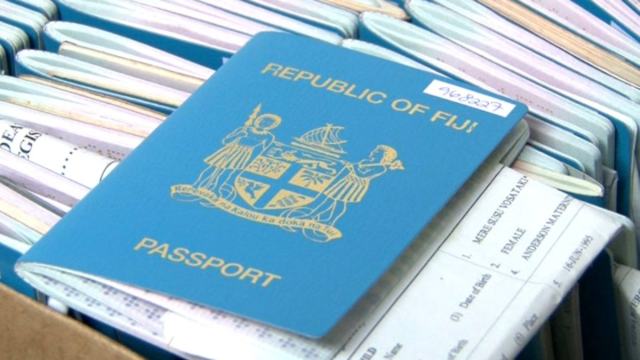
The Passports Amendment Bill, which will rename the Act to the Travel Documents Act, expands the law to cover all official travel documents — including passports, temporary travel certificates, certificates of identity, and refugee travel documents.
Naupoto says the bill also introduces stronger penalties for passport-related offences, including forgery and false statements.
He says adults will continue to hold travel documents valid for 10 years, while those issued to minors will be valid for five years.
The bill also introduces temporary travel certificates for Fiji citizens stranded overseas who need urgent travel back to Fiji.
Meanwhile, amendments to the Citizenship of Fiji Act link citizenship applications more closely to lawful residence through a new permanent residence permit framework.
Opposition MP Premila Kumar supported the bills, saying Fiji must modernise its immigration framework to keep pace with global changes in border management and technology.
However, Kumar also raised concerns around privacy, data protection, and the safeguards around the collection and sharing of personal information under the new framework.
In response, Naupoto said the bills include confidentiality obligations and data-sharing controls, while also preparing Fiji’s immigration system for future digital upgrades.
He says the reforms are intended to reflect how immigration services are already operating while also creating a framework for future growth.