 Praneeta Prakash
[File Photo]
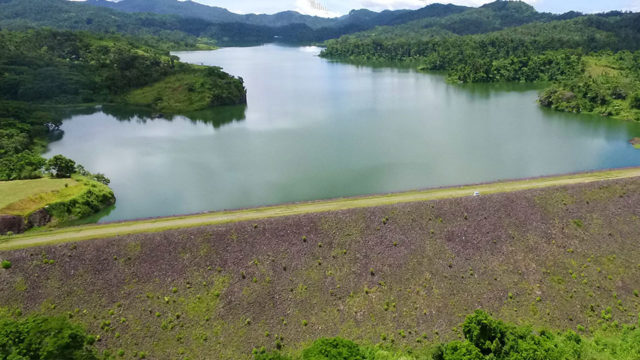
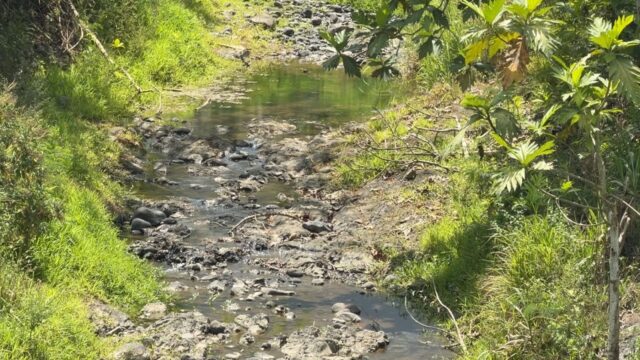
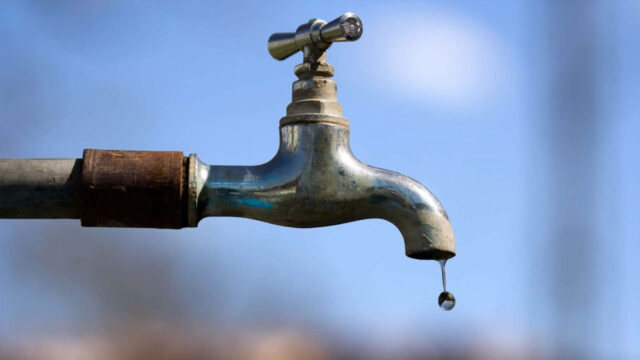
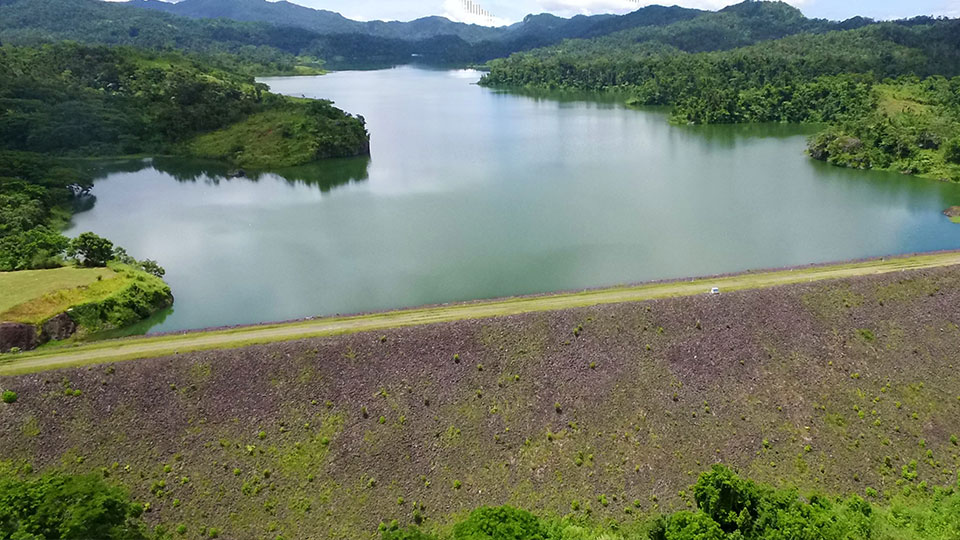
Declining water levels at Vaturu Dam is putting pressure on supplies to Nadi and Lautoka, with the Water Authority of Fiji urging households and businesses to conserve water.
As of October 21, the dam stood at 522.925 metres above mean sea level, about 67.5 percent of its maximum storage capacity.
WAF says prolonged dry weather and El Niño conditions have significantly reduced flows from streams feeding the dam, while evaporation is adding to water losses.
Although the dam remains above its critical level, the decline is already affecting the pressure and flow of raw water reaching the Nagado Water Treatment Plant through gravity-fed pipelines.
This is making it increasingly difficult to maintain production during periods of high demand.
Nagado supplies the entire Nadi water system and approximately 70 percent of Lautoka’s supply.
WAF warns that customers in elevated areas, at the ends of the distribution network and along rural connections on Queens Road may experience low pressure or intermittent supply.
Areas supplied by the Blackrock, Nagado, Lolobalavu, Nasau, Vuda and Kashmir reservoirs could be affected.
The authority will carry out controlled valve operations where necessary to replenish reservoirs and distribute available water across affected communities and this could result in temporary interruptions, including overnight, to support daytime supply.
WAF says it will issue further advice on affected areas and arrangements if planned water rationing becomes necessary.
With hot weather driving demand and the festive season approaching, customers are being asked to prioritise water for drinking, cooking, personal hygiene and sanitation.
The authority is urging people to pause lawn watering and vehicle washing, limit swimming pool filling, reduce outdoor cleaning and promptly repair leaking taps and toilets.
Hotels, resorts and other businesses are also being encouraged to review water use and involve staff and guests in conservation efforts.
Customers should keep a reasonable backup supply in clean, covered containers and replenish it gradually.
WAF advises against leaving taps running while waiting for supply to return.
The authority says it will continue monitoring dam levels, weather conditions and treatment plant performance, while water carting trucks remain on standby, subject to operational requirements and availability.
WAF says conserving water now could help preserve essential supplies and reduce the need for more extensive rationing if dry conditions continue.