
Pacific students are being urged to shape global climate decisions.
The call was highlighted at the Blue Pacific Climate Leadership Summit at Novotel Suva, Lami Bay, last Friday, as the region prepares to
strengthen its voice in international climate negotiations.
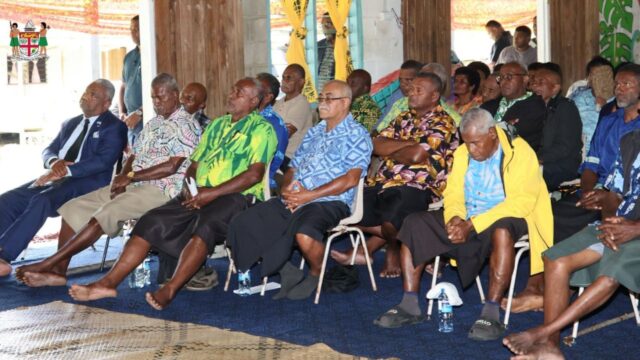
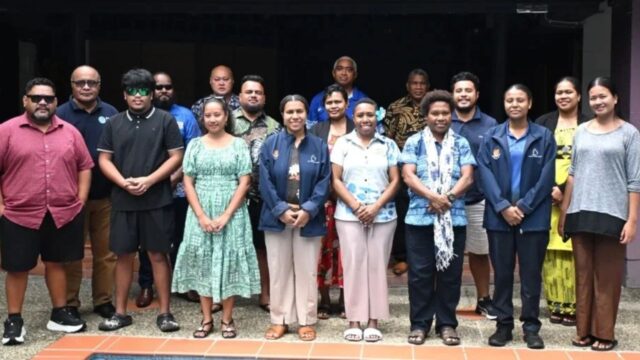
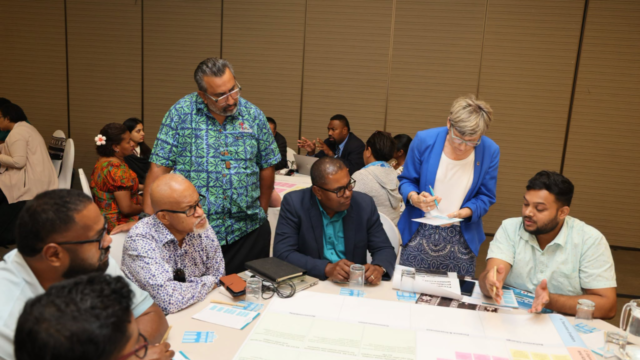
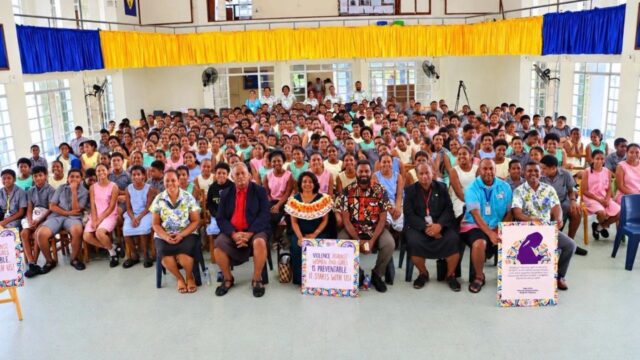
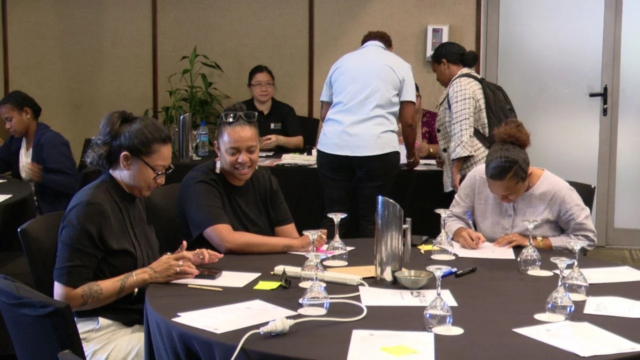
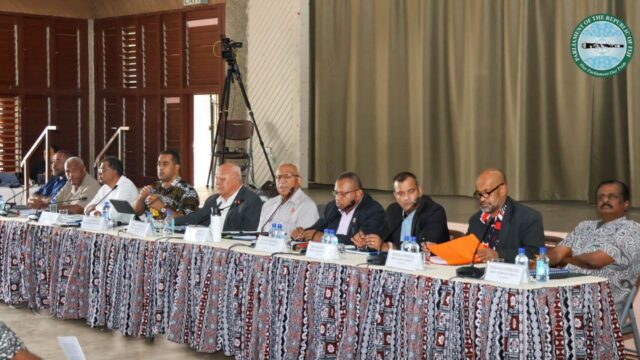
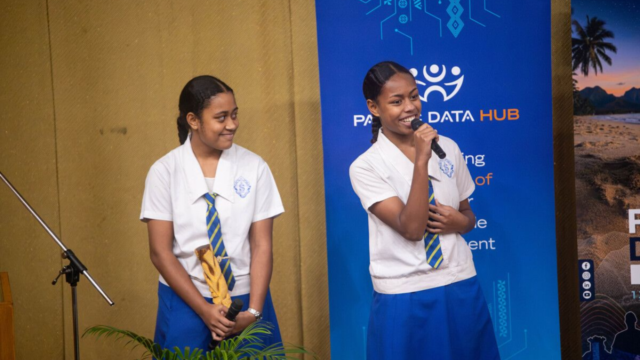
The summit brought together climate advocates, researchers and young leaders to discuss climate justice, scientific evidence and pathways for Pacific communities to influence decisions affecting their future.
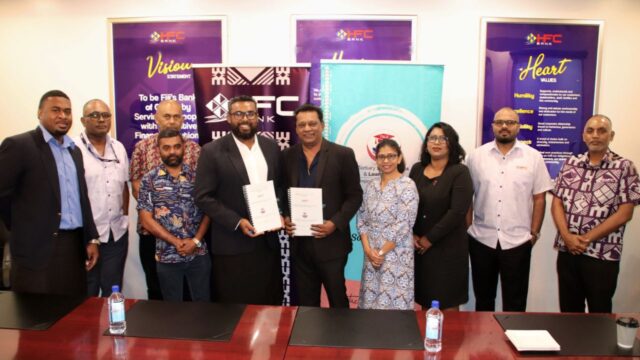
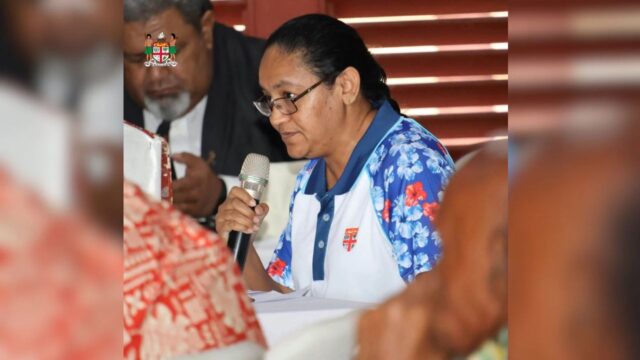
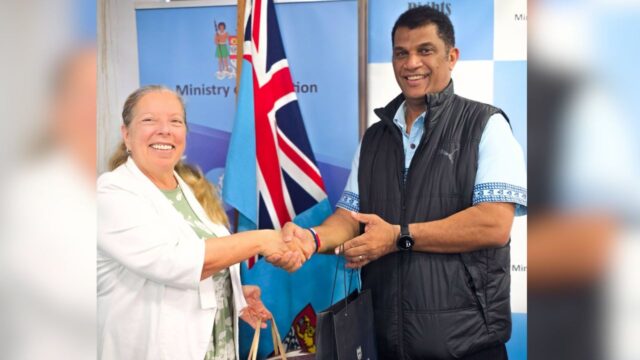
Head of USP’s School of Agriculture, Geography, Environment, Ocean and Natural Sciences, Dr Frances Mani, revealed a new partnership with the Climate Reality Project will help prepare students to take on climate leadership roles.
“This memorandum provides a practical basis for that work. USP and the Climate Reality Project intend to engage students and alumni across our region in climate leadership activities, develop educational materials relevant to Pacific conditions, and establish a climate leadership chapter at USP.”
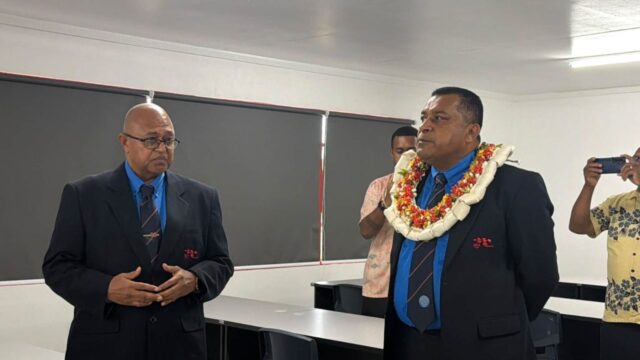
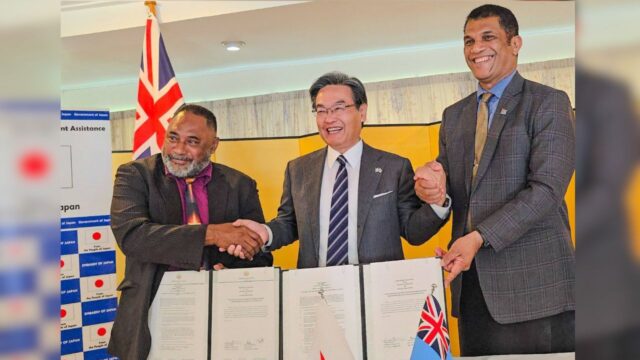
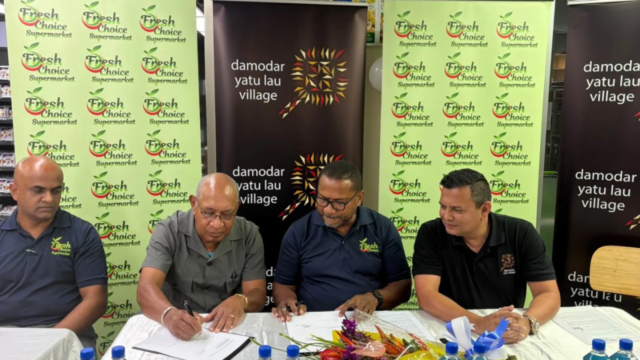
The memorandum of understanding was signed during the summit, providing a framework for collaboration between the two institutions.
Dr Mani says students need scientific knowledge, an understanding of policy and finance, and opportunities to apply what they learn to real-world challenges.
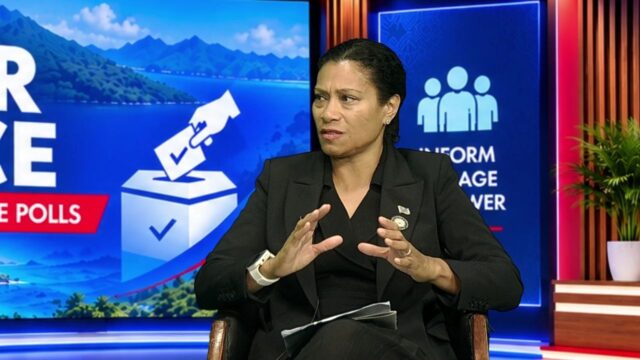
During the event, Miss Pacific Islands Ailava Samuels says young people can use storytelling to ensure global audiences understand the human impact of climate change beyond statistics and rising temperatures.
“Storytelling helps the world understand that climate change is not just about statistics or rising temperatures. It is about our families,
our people, our cultures, our land, and the future of our islands.”
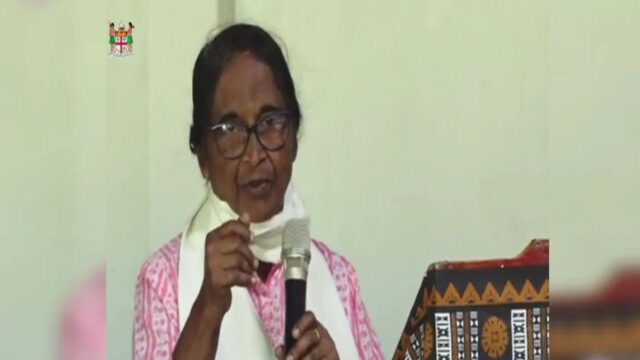
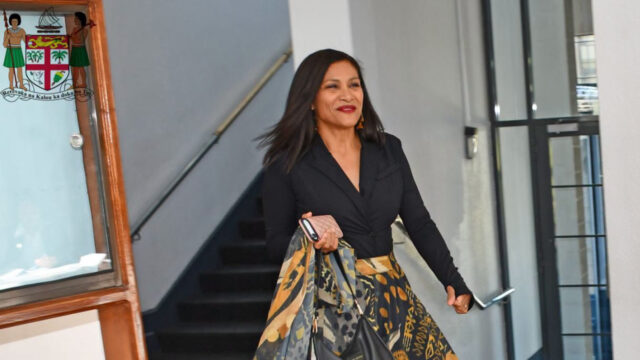
Young Climate advocate Anmary Raduva also says young people must build networks and enter political spaces to ensure community concerns reach decisionmakers.
“We must enter spaces where policymakers are present, lobby for change, and tell them the truth. We must insist that young people are included in decision-making.”
She also stressed the importance of including persons with disabilities in climate action, warning that excluding communities risks leaving an entire generation behind.
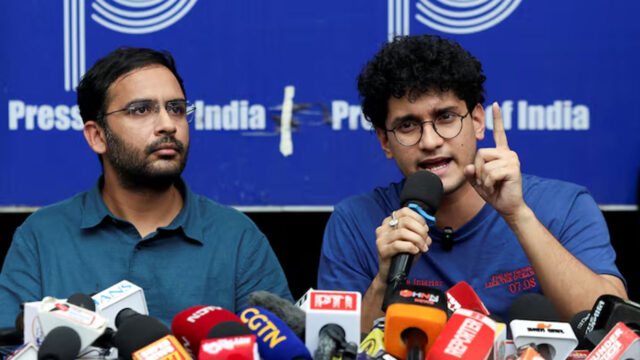
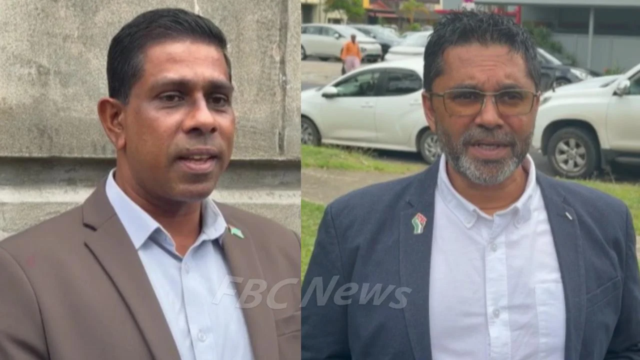
Meanwhile, Director of Pacific Islands Students Fighting Climate Change, Vishal Prasad, says scientific and legal developments provide a
strong basis to speed up the transition away from fossil fuels.
“If we treat the transition as merely a technical exercise without considering justice, human rights, and equity, we risk overlooking
essential elements.”
The summit comes as Pacific countries prepare for COP31 in Türkiye next month, with the region continuing to push for urgent action to keep the 1.5-degree Celsius warming limit within reach.
The discussions reinforced the need for Pacific students and communities to contribute evidence, share lived experiences, and help shape
climate policies that reflect the realities of island nations.