 Litia Cava

[Photo: FILE]
The National Disaster Risk Management Office is facing a $105 million funding shortfall across its disaster management programs.
Only $16 million has been allocated by the Ministry of Finance for the current financial year.
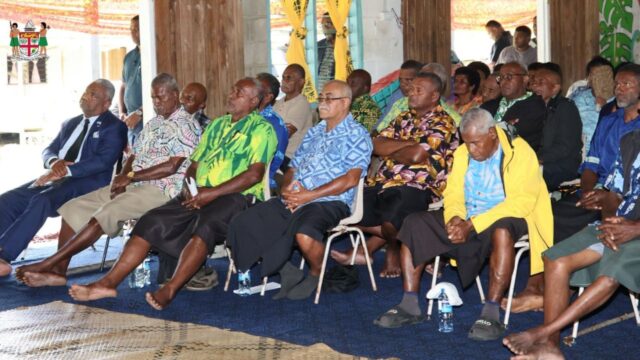
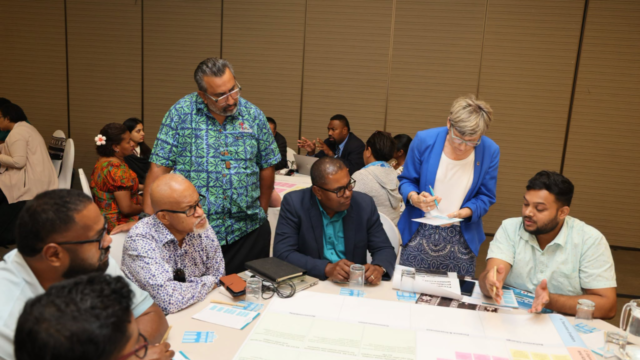
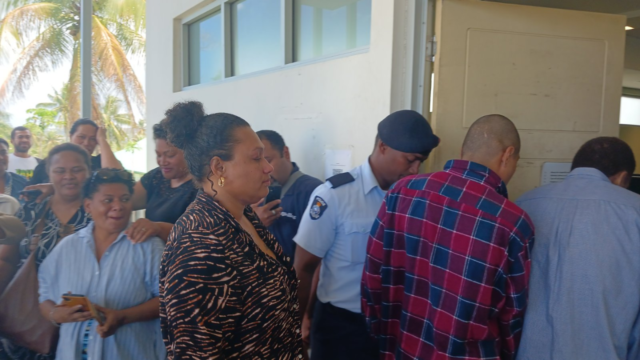
The figures were revealed during a Parliamentary hearing on the Fiji-Australia Vuvale Union and Veitacini Treaty, as the team outlined the scale of Fiji’s unmet disaster and climate resilience needs.
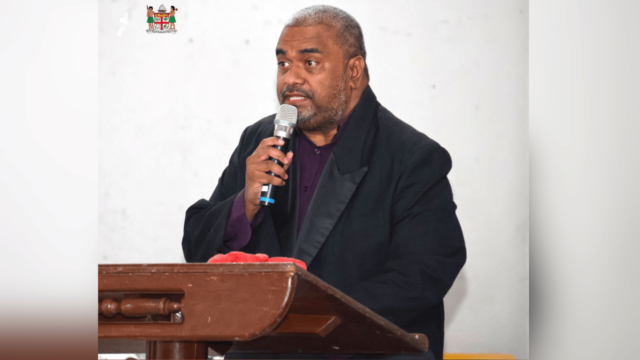
NDMO Deputy Secretary Josaia Navuku told the Standing Committee on Foreign Affairs and Defence that the Ministry consolidated requests from all 14 provincial offices and four divisional offices earlier this year.
That process produced about 1,300 unfunded requests across nine programs, with a total value of around $105 million.
“If we look at the current average cost of about six million dollars for relocating one community, you can see the scale of the financial requirement we are facing. That is why we are also working with development partners, including New Zealand, to support relocation efforts.”
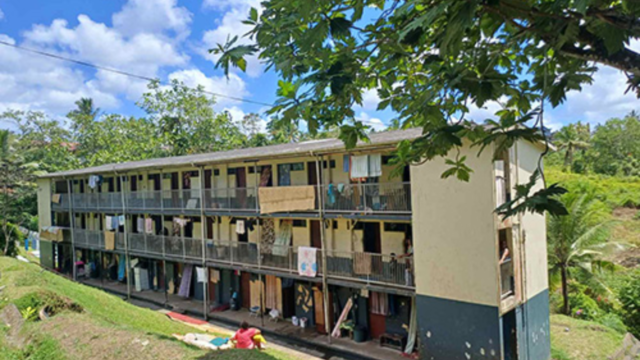
Navuku said relocation was one of the largest pressures facing the ministry.
He said 43 communities have been earmarked for assessment under the new standard operating procedure for climate-related relocation.
Based on the current average cost of around six million dollars per relocation, the potential requirement for those 43 communities runs into hundreds of millions of dollars.
Navuku said Fiji was also receiving assistance from development partners, including New Zealand, for relocation work.
But the broader funding gap remains significant.
He said the ministry had taken its consolidated needs to the Ministry of Finance, but was allocated $16 million because of competing government priorities.
Permanent Secretary Mitieli Cama said NDMO had changed the way it presents its budget submissions to ensure the Finance Ministry understands the actual demand being generated at community level.
Rather than submitting only its projected operational budget, the ministry now includes the demand under each of its nine programs and sets out its targets for the financial year.
Cama said this was necessary because communities continue to approach NDMO officers with urgent needs, while the resources available to respond remain limited.
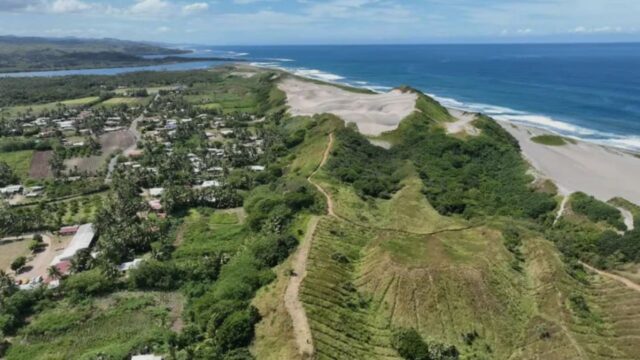
The funding pressure is particularly significant for seawalls and other climate-resilience infrastructure, which Cama said are expensive projects that take time to complete because of limited budgets.
The committee hearing also heard that Fiji has separate financing mechanisms for disaster response and relocation, including the Prime Minister’s Trust Fund and the Relocation Trust Fund.
Officials said the Government is also working to strengthen the system so donor and partner funding can be channelled into disaster risk management more effectively.
The scale of the funding gap comes as Fiji and Australia move to deepen cooperation under the newly signed Vuvale Union, which includes commitments covering climate resilience and infrastructure.