 Peceli Naviticoko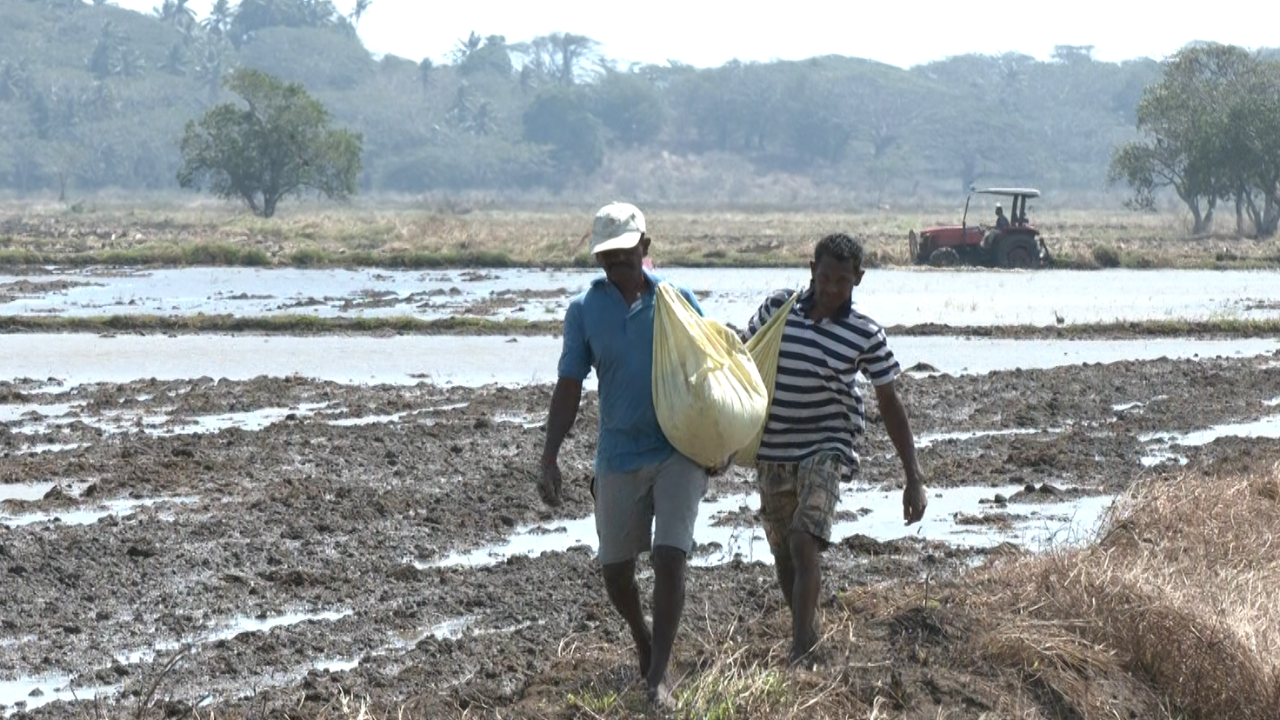
[Photo: Supplied]
Land lease expiry is creating challenges for some rice farmers in the North.
But Fiji Rice Limited says farmers are finding ways to keep their land productive, including working directly with landowners through share-farming arrangements.
Dreketi farmers also have an advantage, with much of their rice-growing land being freehold.
“Some farmers can get in contact with the landowners or get in contact with the villagers and then they do the share farming.”
The company says rice farming also has an advantage because it does not require long-term use of the land and it takes about four months from planting to harvest, and roughly five months when drying and supplying the crop to the mill is included.
This allows farmers to complete a production cycle and prepare the land for another crop relatively quickly.
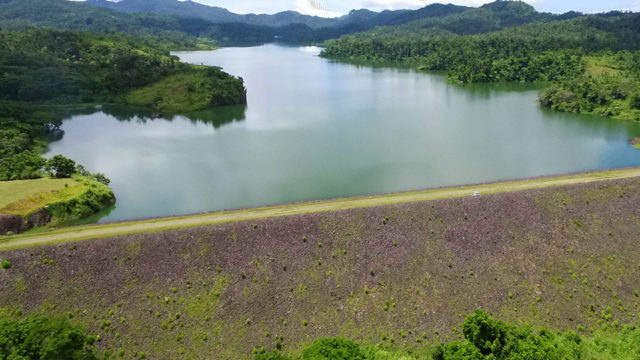
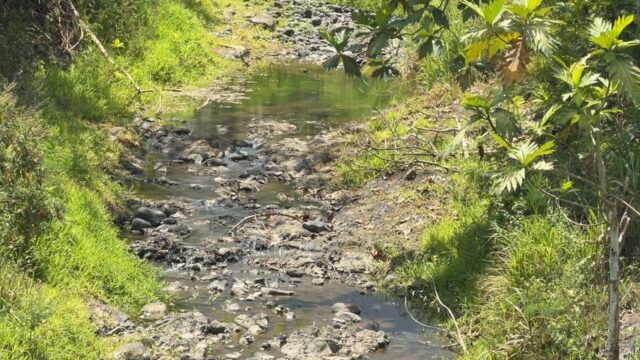
In irrigation area like Dreketi and Korokadi farmers can rely on a more consistent water supply, rather than depending entirely on rainfall.
“For the farmers in Dreketi, in Korokadi, who have the irrigation system in place, they don’t have any planting season, I would say. Because the availability of water is there. So they can plant, harvest, prepare the land, plant, harvest, it continues.”
Fiji Rice Limited says irrigated farms can produce two to three crops a year while rain-fed farmers, however, remain dependent on the seasonal planting window, which runs mainly from October through January.
Farmers are currently preparing their land ahead of the new planting season.