 Riya Mala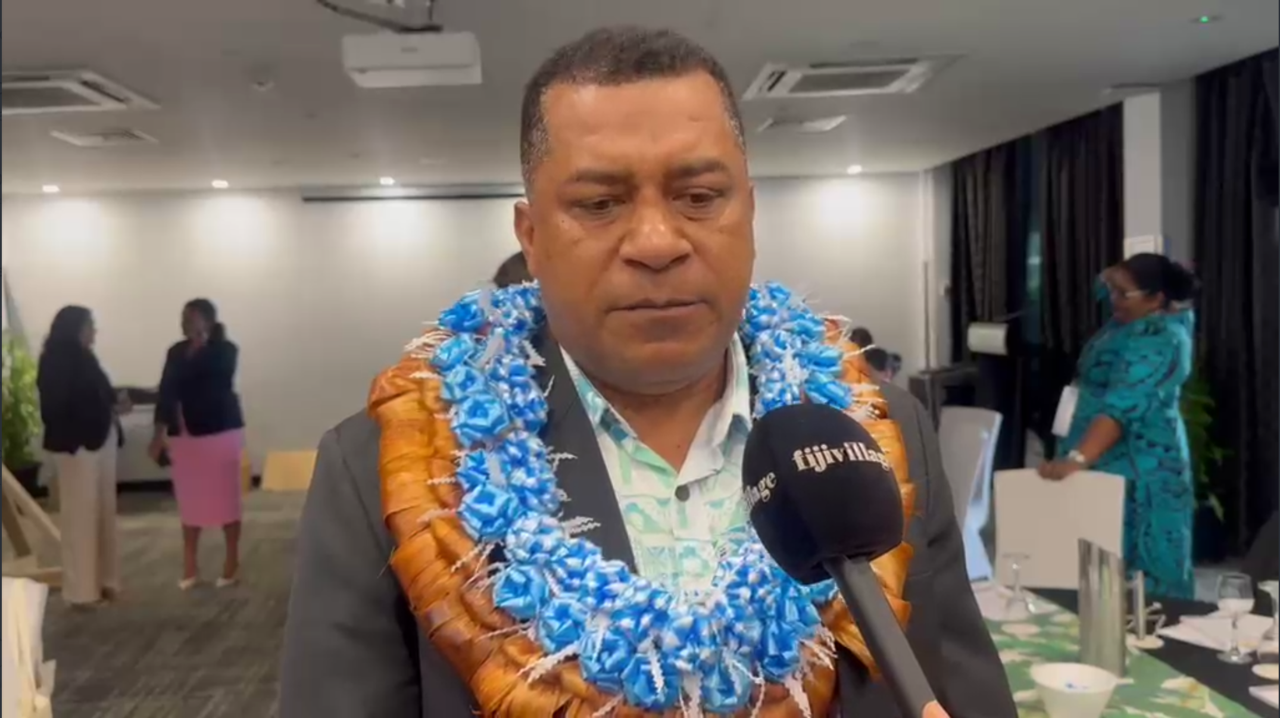
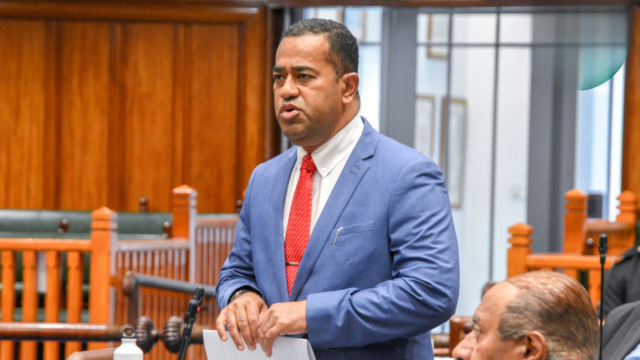
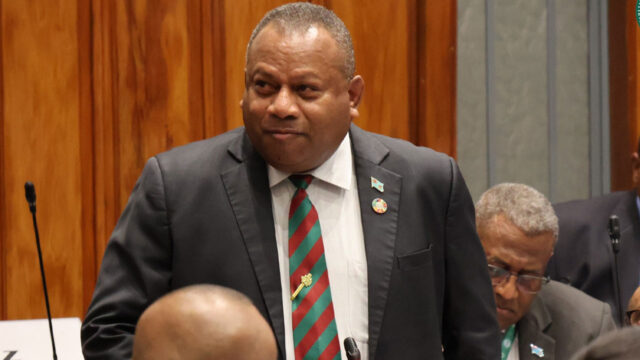
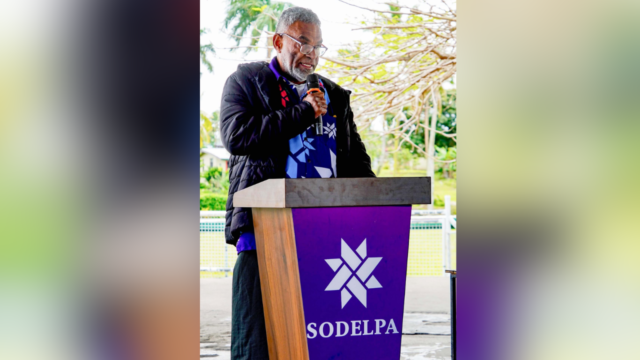
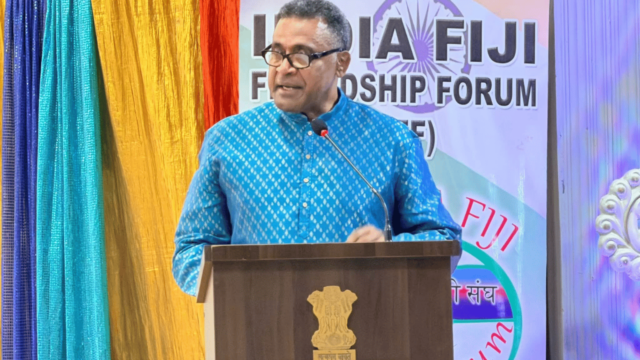
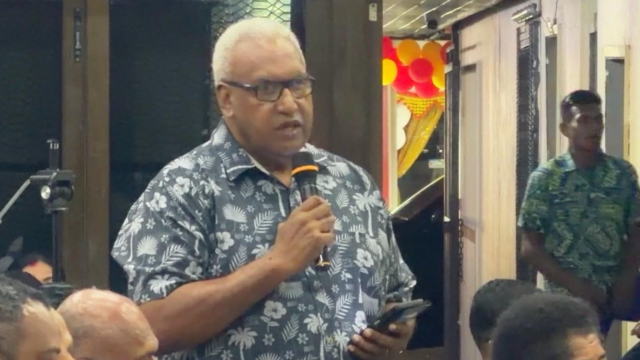
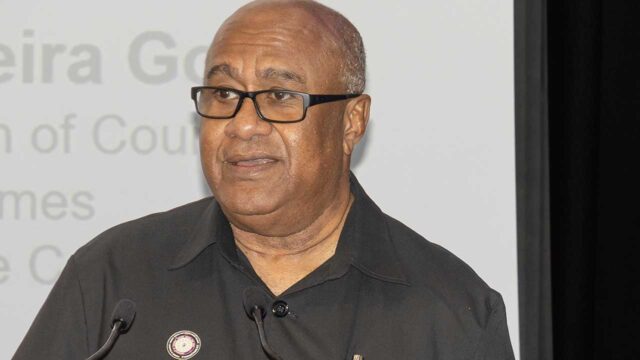
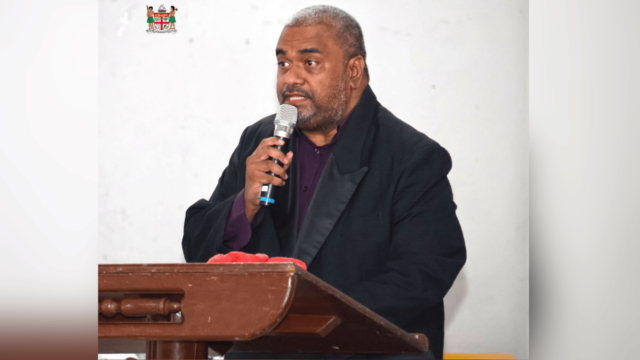
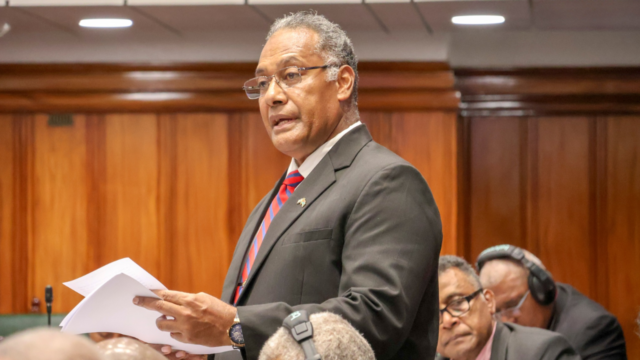
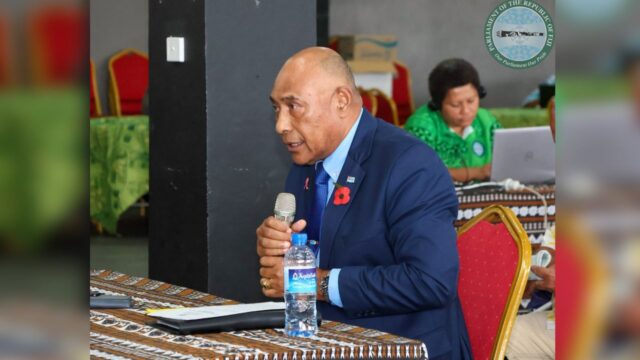
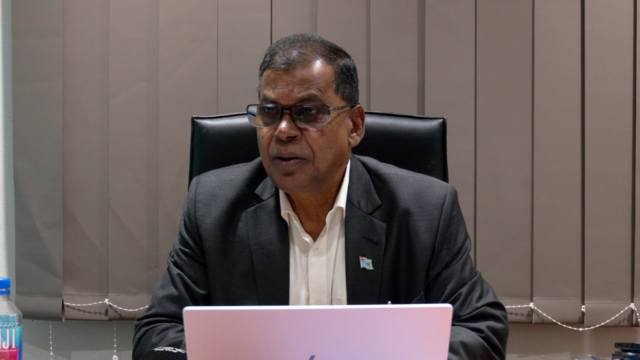
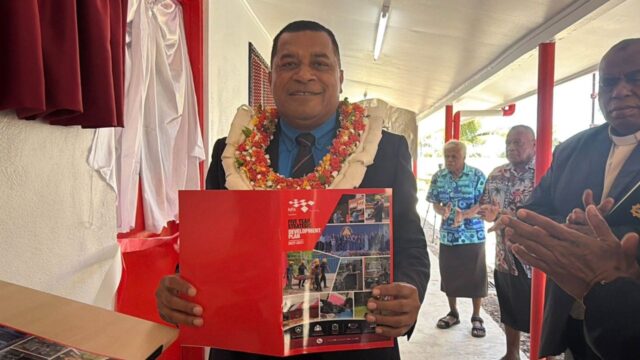
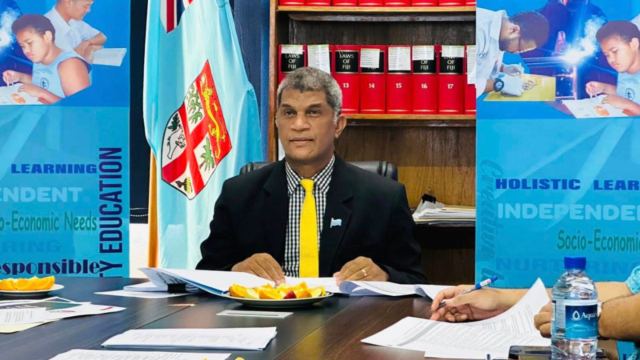
Minister for Local Government Maciu Nalumisa. [Photo: FILE]
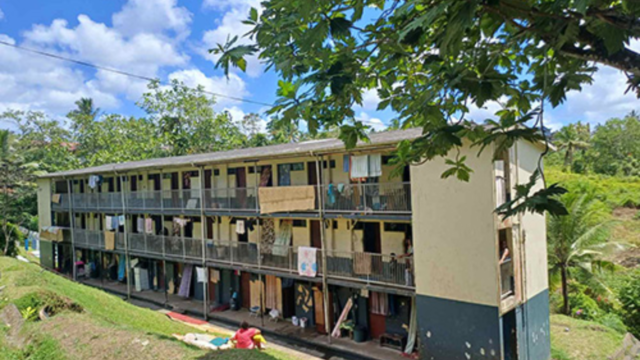
Fiji’s growing housing shortage is pushing more families into informal settlements as home ownership becomes increasingly unaffordable.
Speaking at the Pacific Housing Forum 2026 this morning, Minister for Local Government Maciu Nalumisa says the country is facing serious housing supply and affordability challenges, with demand continuing to outpace available housing stock.
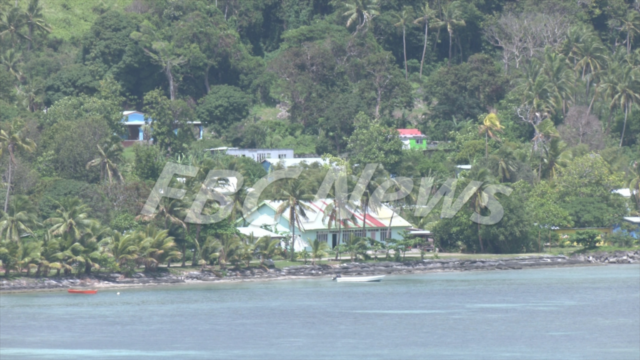
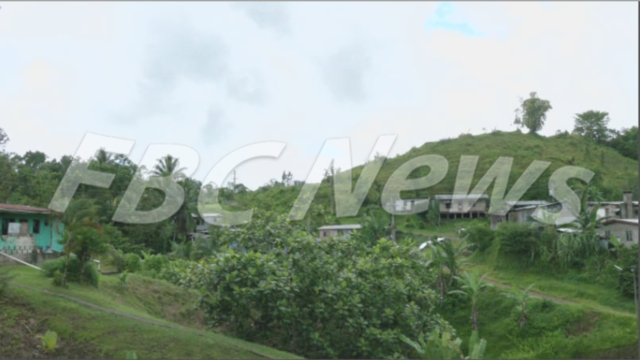
He revealed that 24 percent of Fiji’s urban population currently lives in informal settlements due to limited access to affordable housing, secure land, and proper infrastructure.
Nalumisa says one of the key reasons for the rise in informal communities is the insufficient housing supply to meet the needs of low- and middle-income earners.
“We face a multiple gap where the price of a home exceeds three times the average household income, making home ownership difficult. There is also an estimated annual demand for 1,600 new dwellings over the next five to 30 years.”
Nalumisa says Fiji also faces a widening affordability gap, where the cost of owning a home now exceeds three times the average household income, making home ownership difficult for many families.
The Minister says vulnerable groups, particularly those without fixed incomes, continue to struggle to access land, housing finance, and formal housing opportunities.
Nalumisa adds that informal settlement upgrading programs remain a priority, with the government working to formalise settlements and provide registered leases to long-term residents.
He says addressing the housing crisis requires collaboration among government, financial institutions, landowners, and development partners to ensure more Fijians have access to safe, affordable homes.
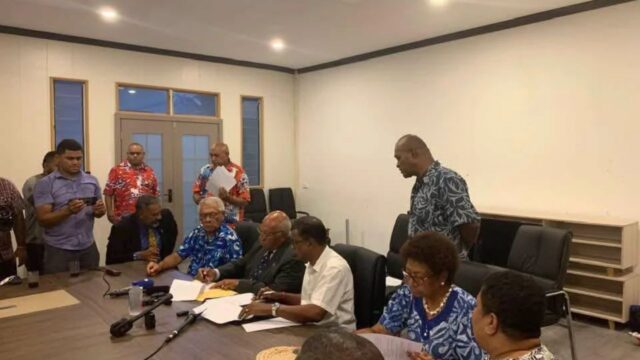
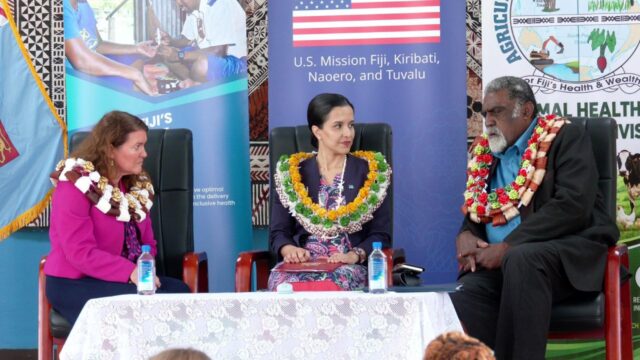
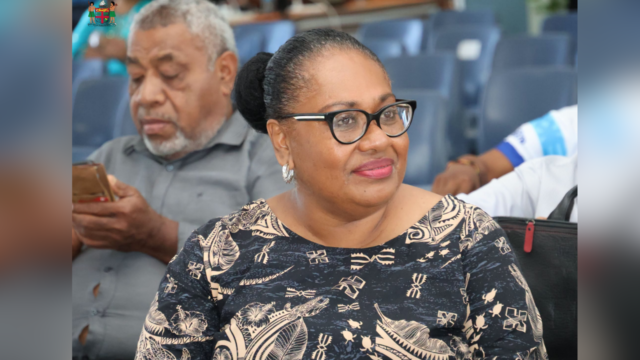
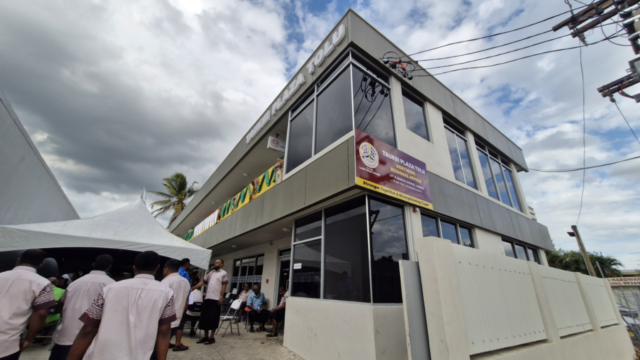
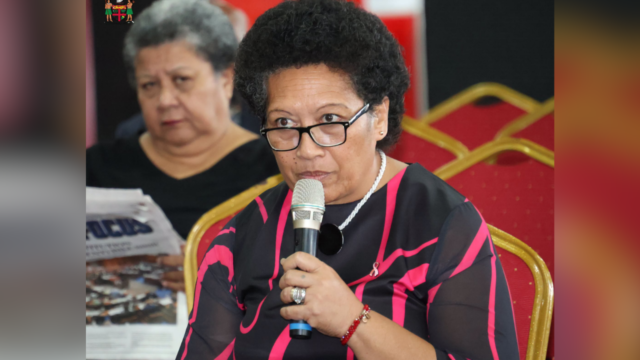
The forum brought together representatives from governments, civil society organisations, the private sector, development partners, community leaders and the regional women’s housing movement to strengthen partnerships and promote practical, inclusive housing solutions across the region.