 Nikhil Aiyush Kumar
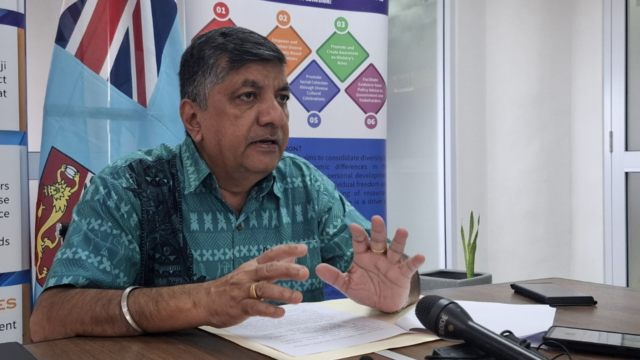
Fiji National University Vice-Chancellor Professor Unaisi Nabobo-Baba. [Photo: SUPPLIED]
Fiji is being urged to rethink its approach to gender-based violence, despite decades of legislation, policies and more than $140 million invested in tackling the issue.
The call comes from Fiji National University Vice-Chancellor Professor Unaisi Nabobo-Baba, who says the country’s GBV prevalence rate has failed to improve despite years of intervention.
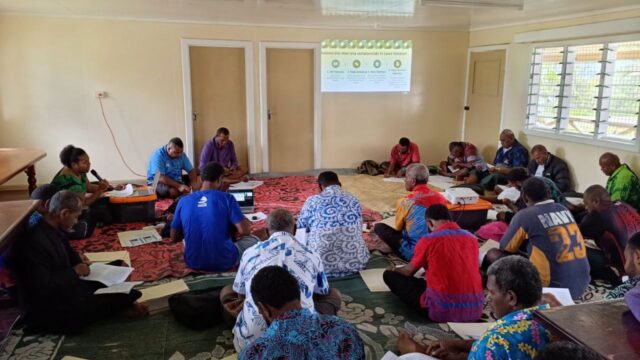
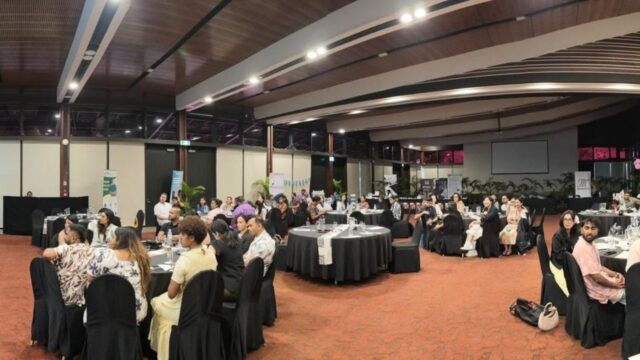
Speaking at a national dialogue on gender-based violence at FNU’s Nasinu Campus, Professor Nabobo-Baba questioned whether Fiji’s current response is working.
She says one area that needs greater attention is the involvement of iTaukei men in research, consultation and the design of GBV programmes.
Minister for Women, Children and Social Protection Sashi Kiran says GBV remains one of Fiji’s most urgent public health, human rights and development challenges.
She says 64 percent of women in Fiji have experienced violence – almost twice the global average.
Children are also bearing the brunt of sexual violence.
In 2024, children accounted for 93 percent of High Court rape victims, increasing to 100 percent in 2025.
Between 2020 and 2025, almost 4,800 cases of sexual abuse against children were reported.
The Minister says harmful attitudes are also continuing among young people.
The 2025 SCORE Survey found 76 percent of young men aged between 18 and 35 believe a husband can discipline his wife, while 57 percent of young women share the same view.
Kiran says adolescent boys must be engaged early to challenge these attitudes and promote respectful relationships.
The dialogue is calling for stronger use of data, greater cultural grounding and more practical approaches to preventing GBV.
FNU says the discussions must now move beyond agreement, with participants expected to develop a Call-to-Action that can be taken to Government, the vanua and the Great Council of Chiefs.