 Praneeta Prakash

[Photo: FILE]
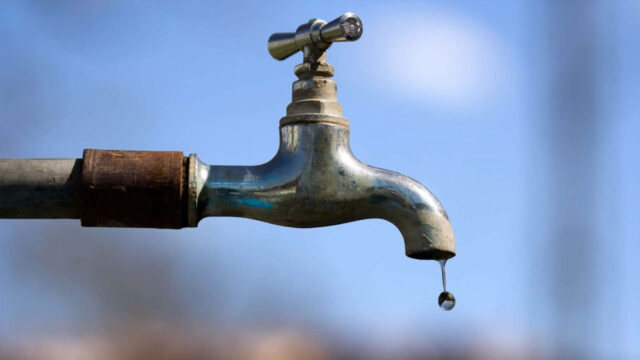
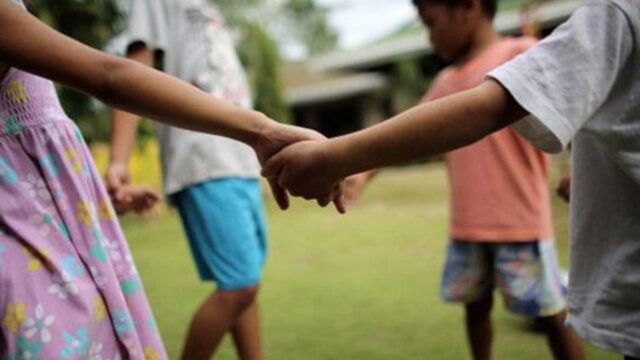
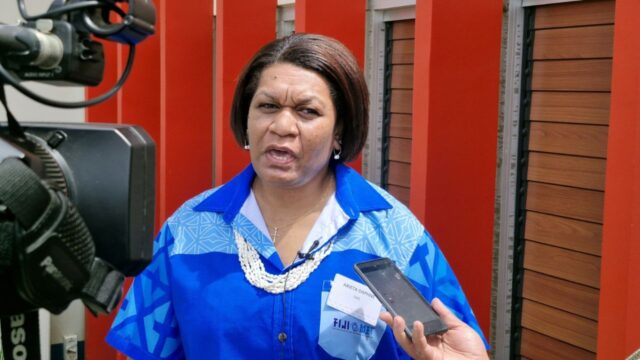
The Ministry of Women, Children and Social Protection is urging Fijians to help protect vulnerable people as the prolonged El Niño dry spell places pressure on water supplies and household food security.
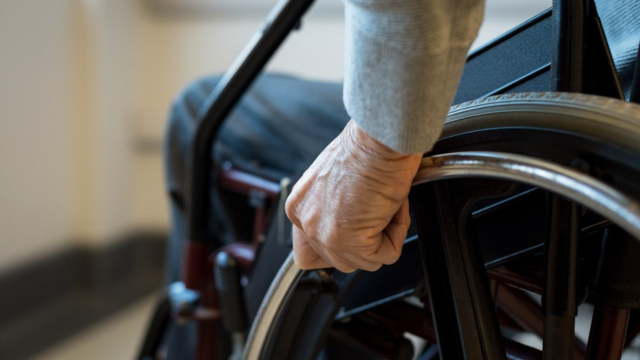
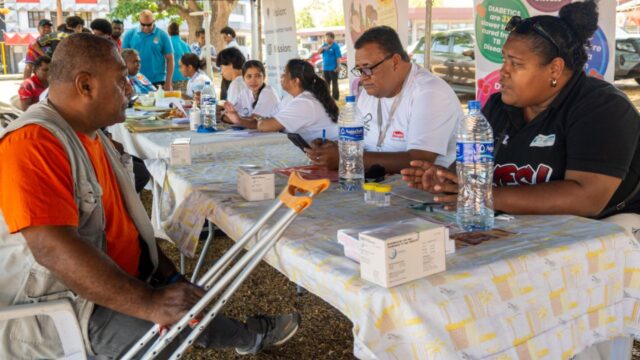
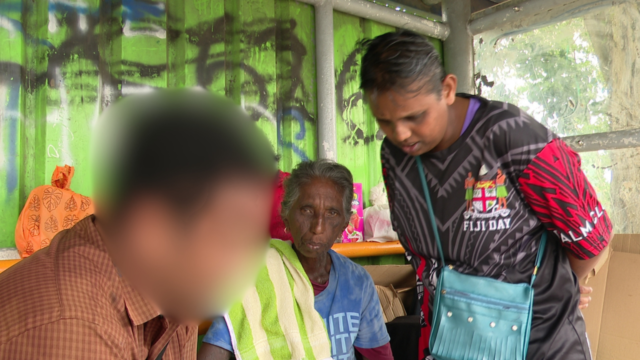
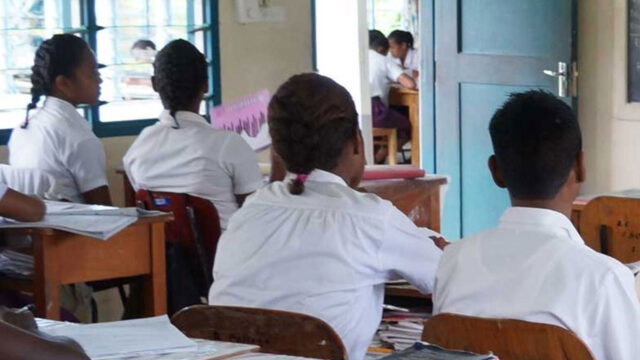
Acting Permanent Secretary Selina Kuruleca says children, older persons, persons with disabilities, pregnant and breastfeeding mothers, and families facing hardship need particular support.
Kuruleca says the effects of the dry spell are not felt equally, with infants and young children particularly vulnerable to dehydration, illness from unsafe water and poor nutrition when food gardens fail.
She says older persons may face increased risks from heat, dehydration and existing health conditions, while some are unable to carry water or queue for supplies.
Persons with disabilities can also encounter difficulties accessing water collection points and essential information.
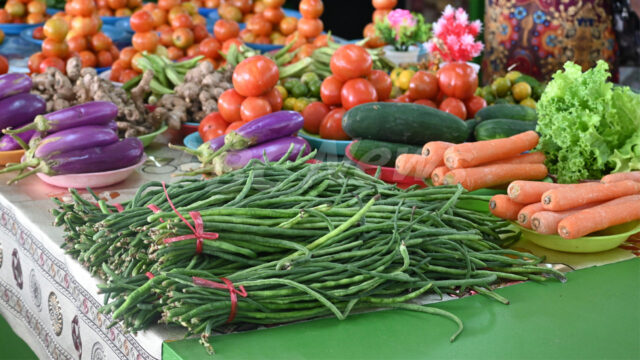
The Ministry says women and girls shoulder much of the responsibility for collecting household water, affecting their health, safety and schooling. Continued dry conditions also threaten crops and livestock, increasing pressure on families’ food supplies.
Kuruleca says the government is working through the national disaster coordination system to identify vulnerable households and prioritise them for water and relief, while maintaining social assistance.
She acknowledged communities, businesses, non-governmental organisations and faith-based groups already supporting affected families, and called for continued cooperation as dry conditions persist.
The Ministry is encouraging early preparation, warning that assistance may take time to reach remote and maritime communities.
Anyone concerned about a child, older person or person with a disability who lacks sufficient food or water should contact their nearest Social Welfare Office or District Office.
Concerns involving children can also be reported through the Child Helpline on 1325.
The public is urged to follow official updates from the Fiji Meteorological Service, National Disaster Risk Management Office and Water Authority of Fiji, and avoid sharing unverified information.
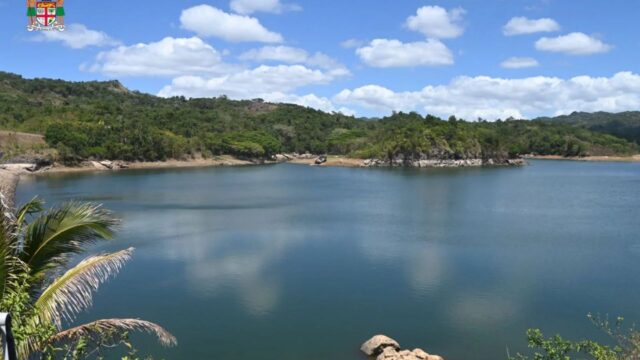
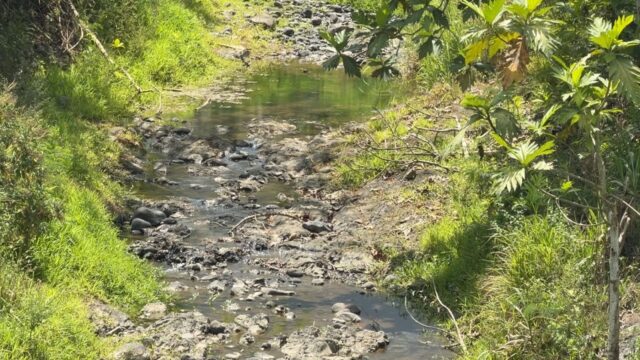
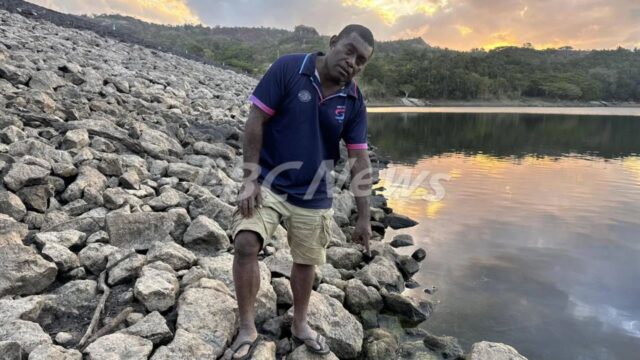
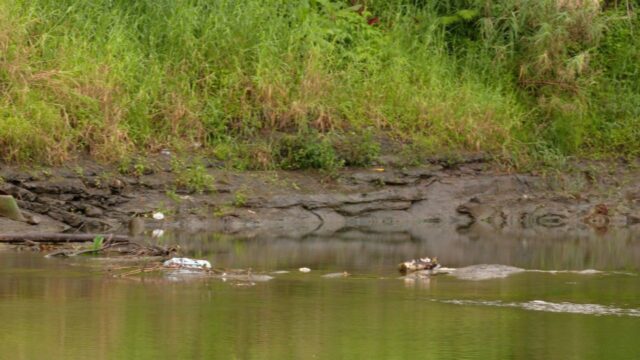
As of November 1, 19 of the 44 water sources monitored by the Water Authority of Fiji had reached critical levels.
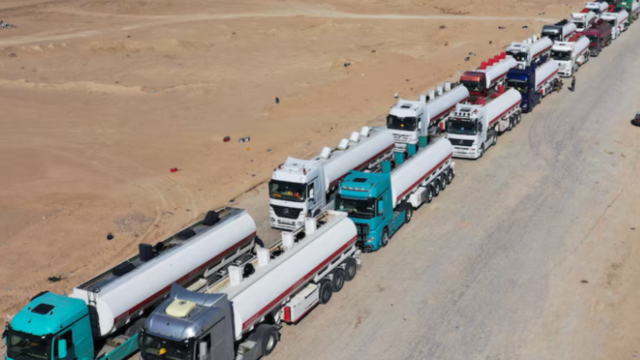
About 24,600 people were receiving intermittent supplies or relying on water deliveries.