 Josefa Sigavolavola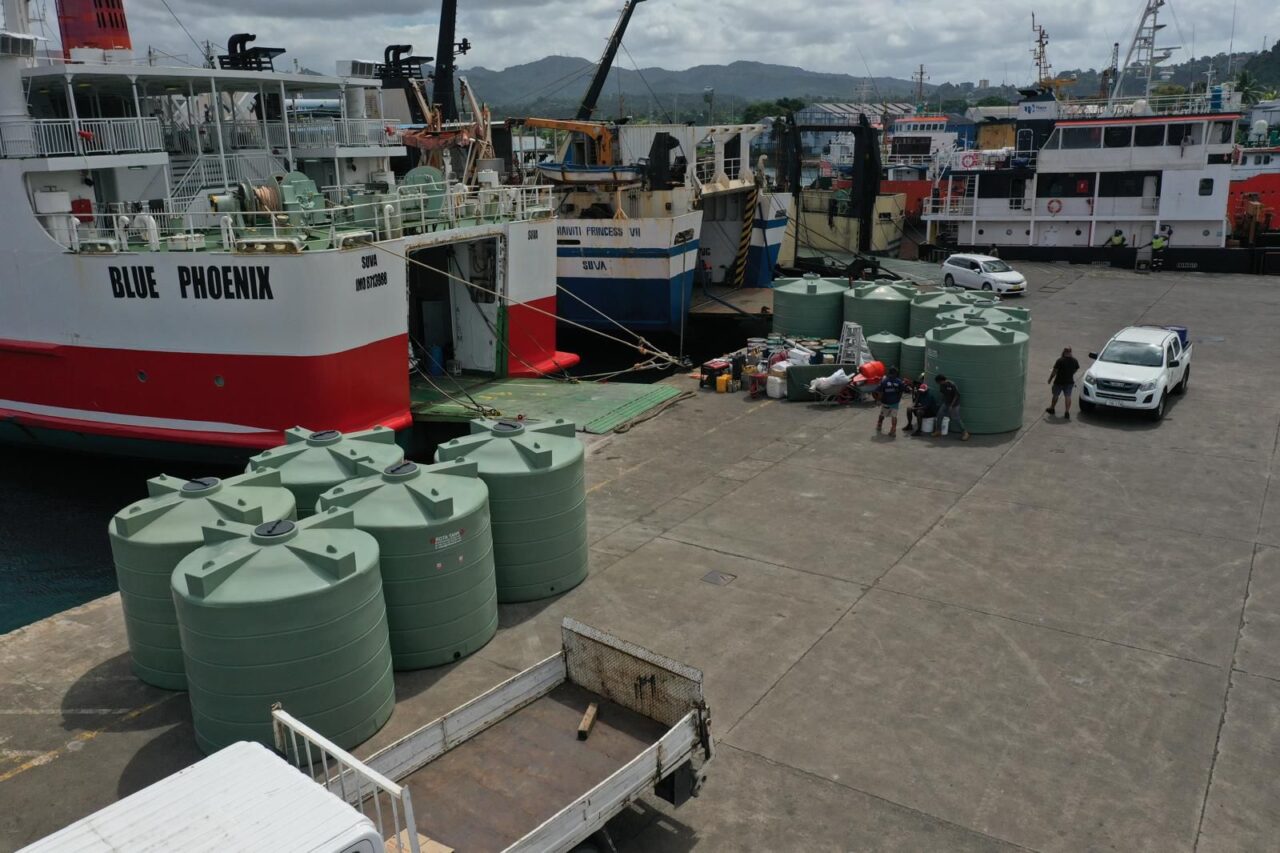
[Photo: File]
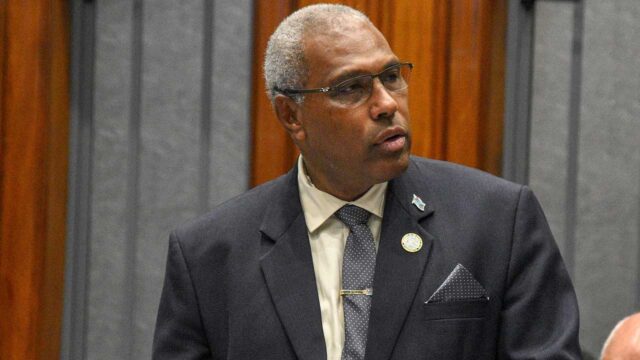
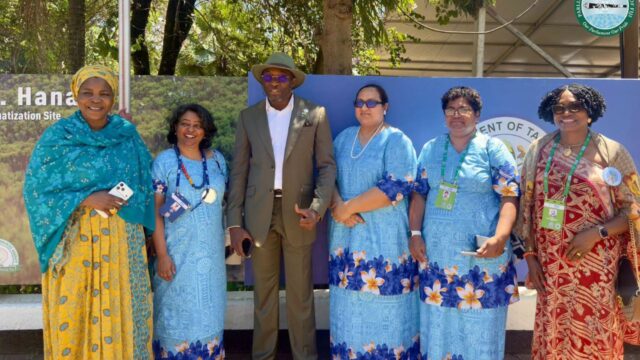
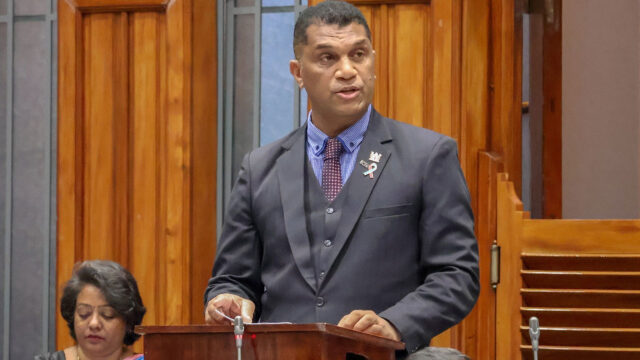
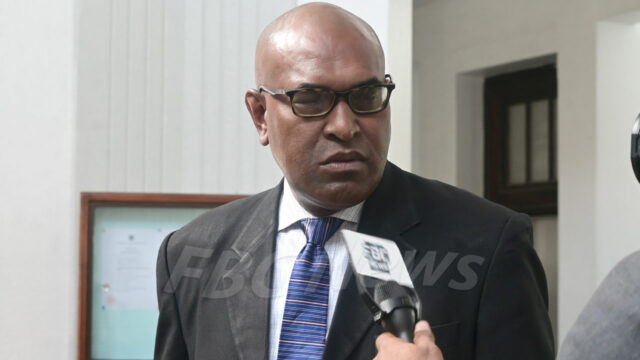
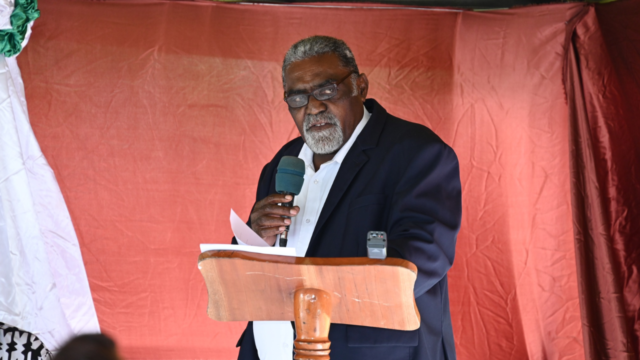
Minister for Public Works, Transport and Meteorological Services Ro Filipe Tuisawau has acknowledged that while progress has been made in Fiji’s water sector, rural communities remain at a disadvantage.
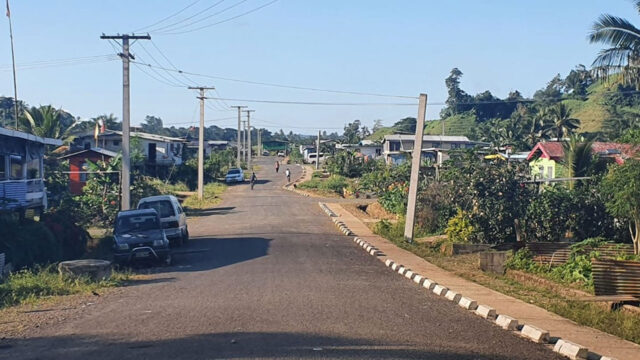
Speaking in Parliament, Ro Filipe stressed that villages and settlements outside urban centers continue to face gaps in reliable water supply, with many families depending on rainwater harvesting or struggling with inconsistent borehole systems.
To address this, the government has allocated $10 million in the new financial year for borehole development and rural water projects.
The programme, to be implemented with the Ministry of Lands, will focus on drilling new boreholes, upgrading small-scale distribution networks, and expanding rainwater harvesting initiatives.
“The Water Authority of Fiji was allocated $284.4 million during the 2025–26 budget, comprising $132 million for operational expenditure and $151 million for capital expenditure. The Authority has utilised $136 million in capital investments, with one of its major achievements being 4,947 new water connections and 241 new wastewater connections.”
Ro Filipe emphasized that the funding is only a first step in closing the gap.
He said the Government remains committed to ensuring that rural communities share equally in the benefits of national development, and that the Water Authority continues to contribute to rural water projects across the region.
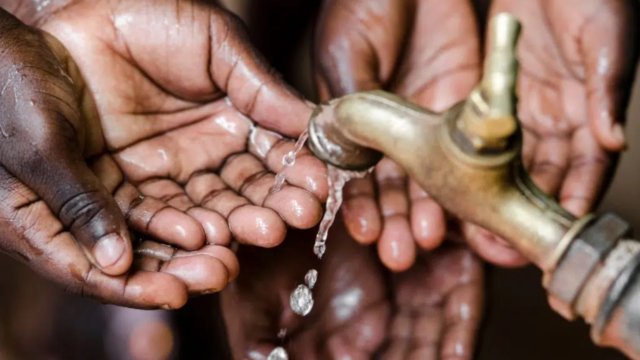
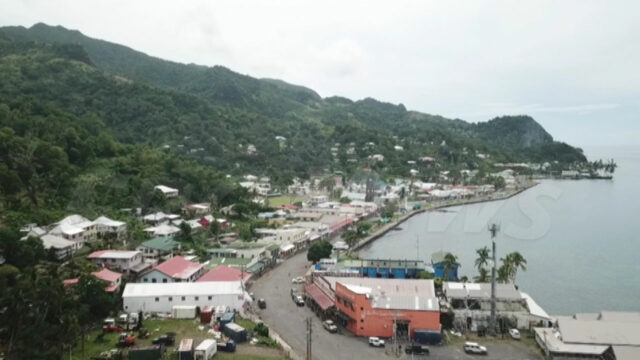
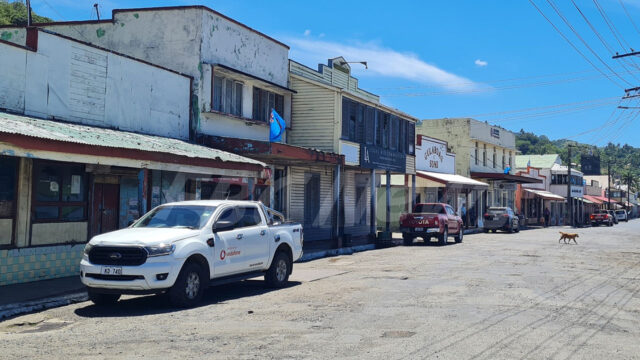
Meanwhile, residents in Taveuni have complained about a lack of clean water for over a decade due to a failed desalination plant.
An entrepreneur and estate owner in the south of Taveuni, Abhishek Sapra says they’ve raised water concerns with government on many occasions but have been left without an support.
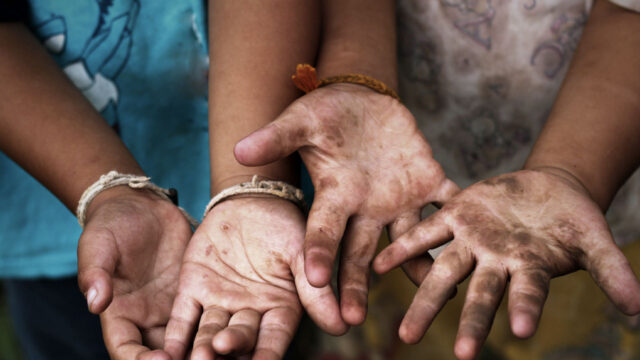
“And recently again we’ve been pushing for it because we’re having children who are getting sick, skin issues happening with people just because they’re not able to bath properly, they’re not able to have clean water for themselves and then we have people who want to do vegetable farming they can’t do vegetable farming because there’s no water.”
FBC News is still trying to get comments from the Ministers responsible on the issue.