 Litia Cava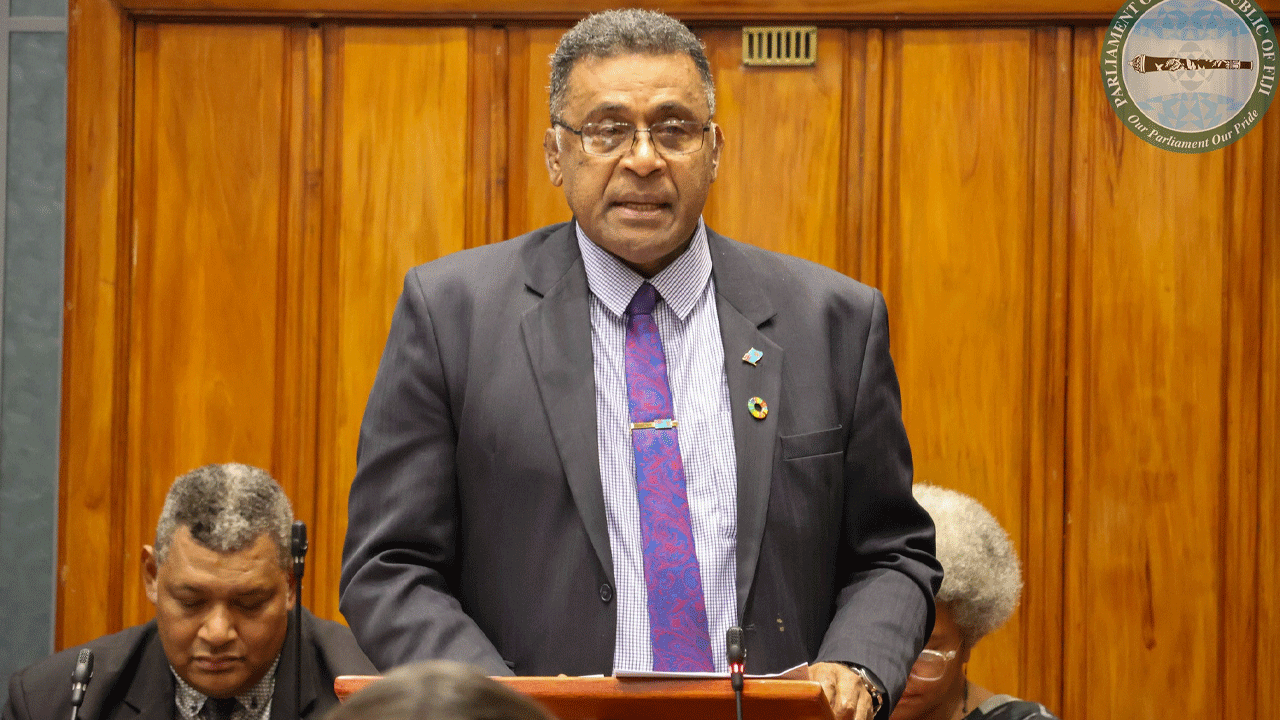
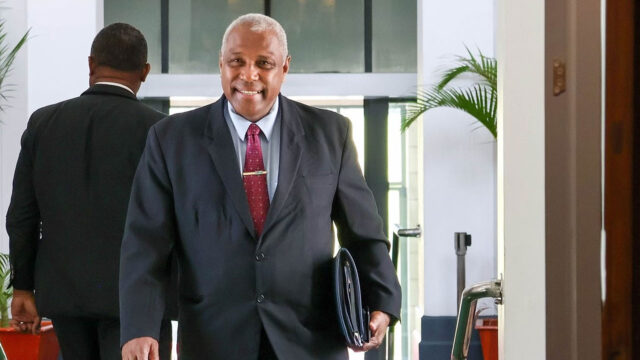
[Photo: File]
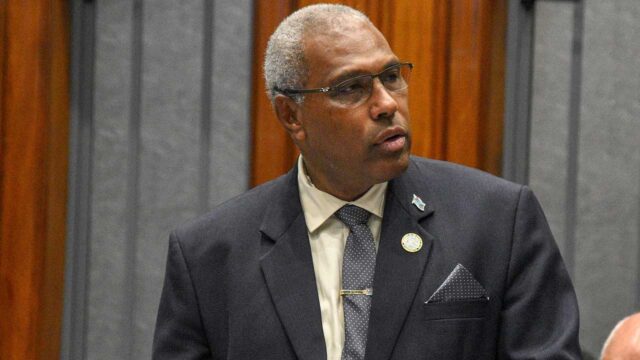
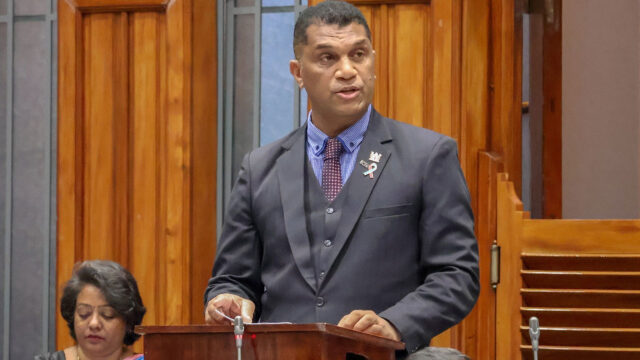
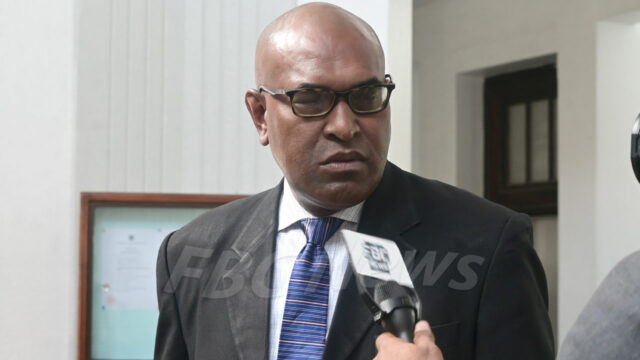
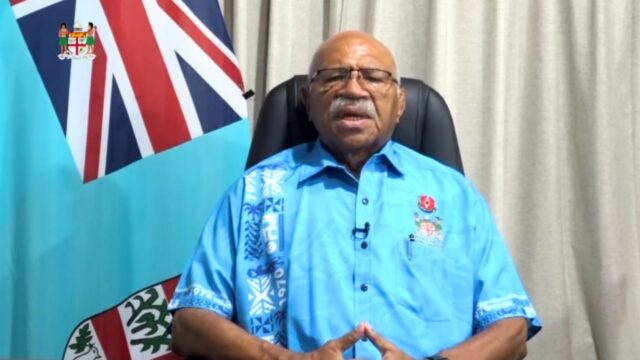
Cutting Ministers’ salaries and reducing the size of cabinet would only save a few million dollars and would not solve Fiji’s wider financial challenges, says Finance Minister Esrom Immanuel.
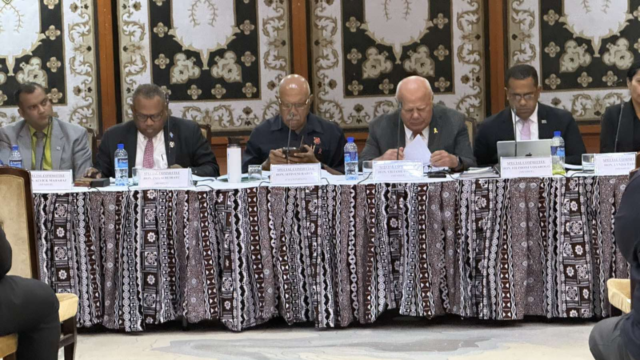
Immanuel made the comments while defending the 2026–2027 National Budget in his right of reply in Parliament today.
Immanuel responded to calls that government should first reduce its own costs before asking the country to accept tough financial decisions.
“It is much harder to explain which services should be reduced, (22:08) which taxes should be
increased, or which families should receive less support. But it is easy to stand outside government and call for a lower deficit and suggest politically convenient measures.”
Immanuel said those demanding faster deficit reduction must explain exactly what areas of government spending should be reduced.
He questioned whether the alternative would be cutting the salaries of more than 42,000 civil servants, reducing social welfare assistance, removing education support programmes, lowering funding for hospitals or delaying infrastructure projects.
The Finance Minister said every budget decision comes with a trade-off and reducing spending in one area means fewer resources available for another.
He said the government had already taken steps to control expenditure through a broader cost-cutting exercise across ministries.
These measures include reducing official travel, limiting workshops, cutting communication costs,
reviewing operational expenses, restricting recruitment to critical positions and reducing funding for vacant posts.
Immanuel said government had also reviewed grants provided to some agencies as part of efforts to improve spending efficiency.
He said responsible financial management meant government had to lead by example before asking households and businesses to make sacrifices.
However, he maintained that cutting leadership costs alone would not provide the savings needed to address Fiji’s fiscal position.
Immanuel said the government instead focused on protecting areas that directly affect people’s
lives, including social welfare support, education assistance, healthcare and measures introduced to cushion the impact of the global fuel crisis.
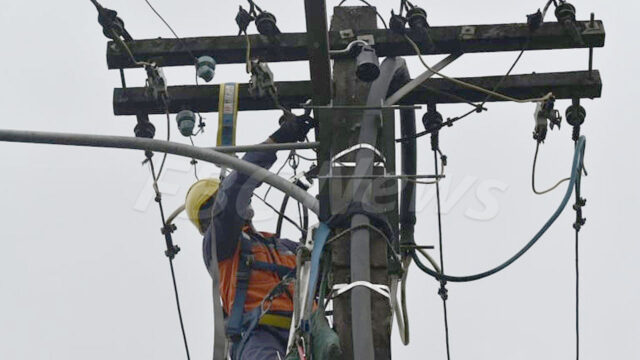
He highlighted government interventions such as absorbing bus fare increases, maintaining electricity support and providing temporary welfare assistance to vulnerable households.
The Finance Minister said these decisions increased pressure on government finances but were necessary to prevent additional hardship for families already dealing with rising costs.
He also defended the size of the public service, saying the government’s approach was not simply to remove positions but to improve efficiency through a functional review of the public sector.
Immanuel said the review would look at whether government structures are delivering better services and whether resources are being used effectively.
The Cabinet cut debate comes as the government defends a Budget with a projected fiscal deficit of 7 percent of GDP and continued pressure from high public debt.
Immanuel said reducing the deficit was a complex exercise that required balancing revenue, expenditure, borrowing and debt obligations.
He argued that government could not reduce spending without considering the impact on workers, families, businesses and national development priorities.
He said the focus was now on shifting more resources towards productive investment, including roads, hospitals, water infrastructure, renewable energy and projects aimed at creating jobs and improving economic growth.
Immanuel said Fiji’s long-term financial stability would not come from one single cost-cutting measure, but through stronger economic growth, better public sector management and careful control
of government spending.