 Litia Cava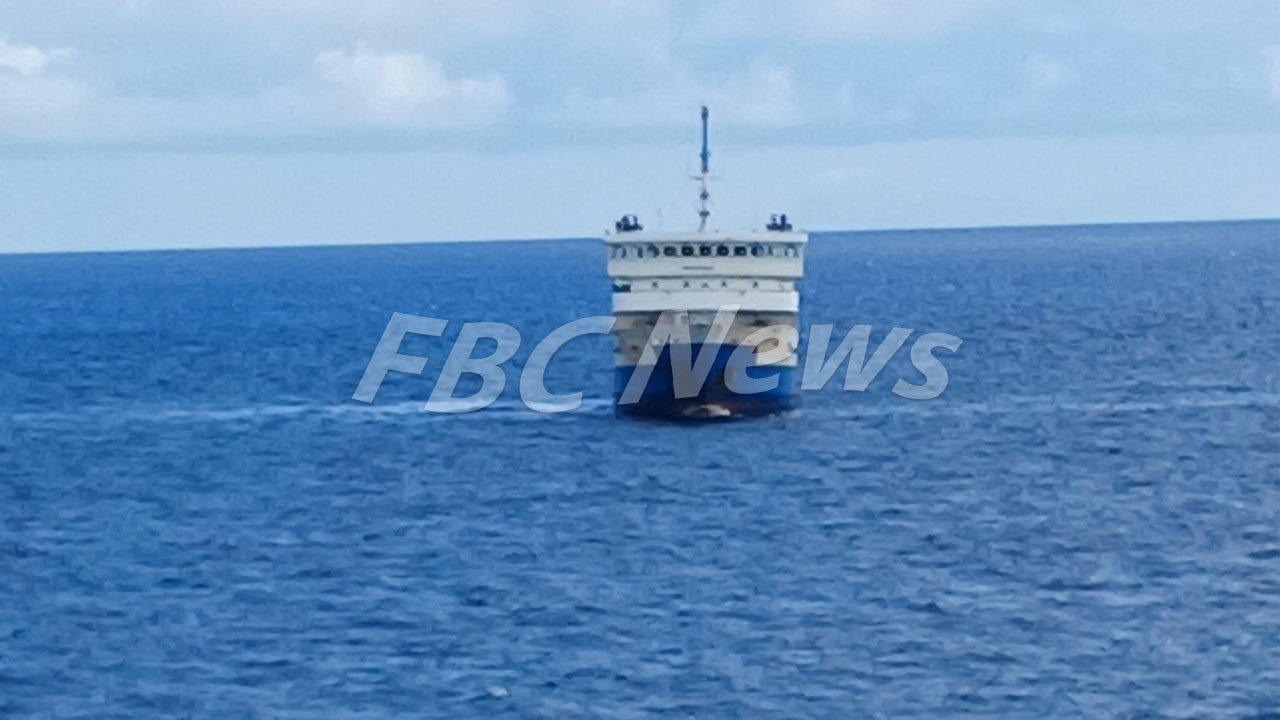
[Photo: FILE]
Majuro, in the Marshall Islands, will host a key Pacific maritime meeting next month.
Government Ministers will push plans to shift regional shipping away from diesel dependence toward low-carbon transport.
Transport Ministers and senior officials from 10 Pacific countries will meet from next weekend for the inaugural Pacific Blue Shipping Partnership (PBSP) Ministerial Meeting.
The gathering comes as pressure mounts to cut fuel costs and reduce emissions from vessels that remain vital to island connectivity and trade.
The initiative is designed to unlock large-scale climate finance and support a coordinated transition to sustainable shipping.
Pacific governments say shipping is essential, but it has not yet been addressed through a unified regional investment program at this scale.
Countries will work on National Action Plans for submission to the International Maritime Organization.
The plans will guide domestic fleet transitions and open access to global climate finance and new maritime technologies.
Ministers are also expected to consider a $300 million proposal to the Green Climate Fund.
The funding would support a demonstration fleet of low-carbon vessels across participating states.
The Marshall Islands’ inter-island vessel Juren Ae is already recording fuel savings of more than 50 per cent. It uses sails, solar power and improved design features.
Officials say it offers a model for future regional vessels.
The meeting will also formalise the PBSP Charter and establish a governing Council and Secretariat. Fiji and the Marshall Islands are co-chairing the partnership.
Marshall Islands Presidential Special Envoy for Maritime Decarbonisation Albon Ishoda states that the region must take control of its maritime future.
He says shipping underpins survival, trade, and economic development across the Pacific. Ishoda adds that the Pacific States have driven global ambition on shipping emissions.
The focus now, he says, is ensuring the same countries are not left behind in domestic transition.
The goal is full maritime decarbonisation by 2050.