 Apenisa Waqairadovu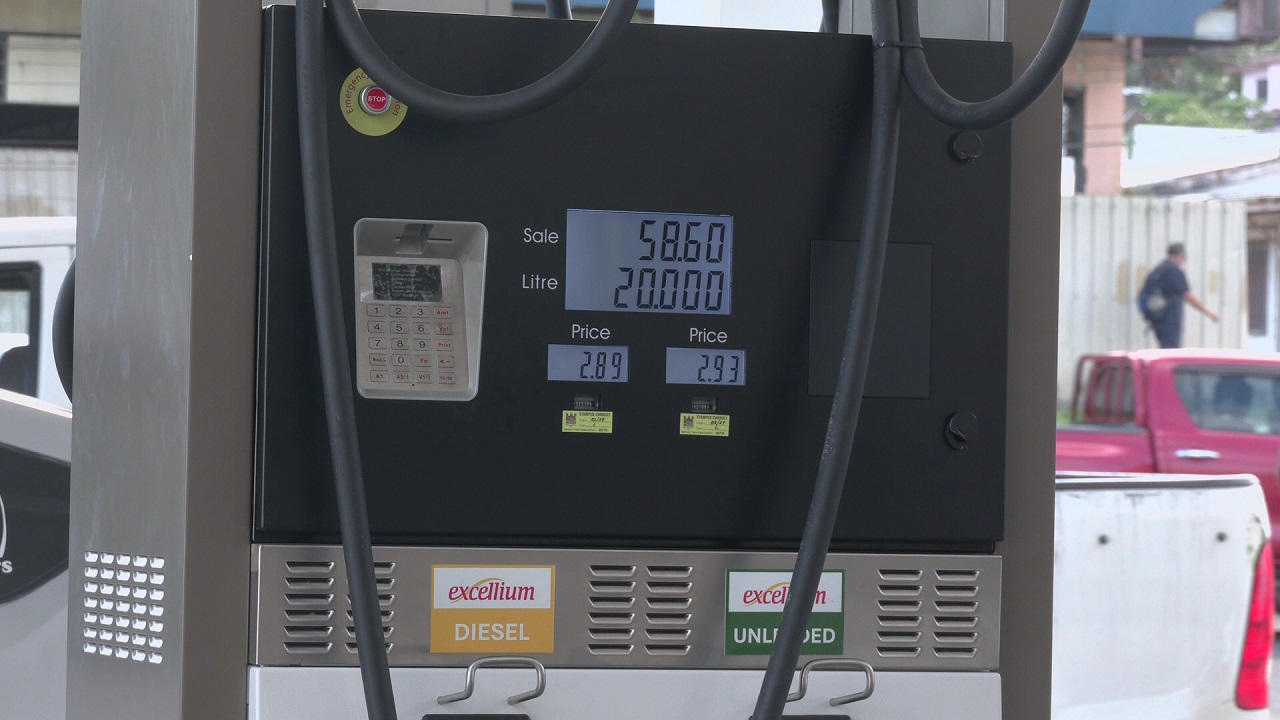
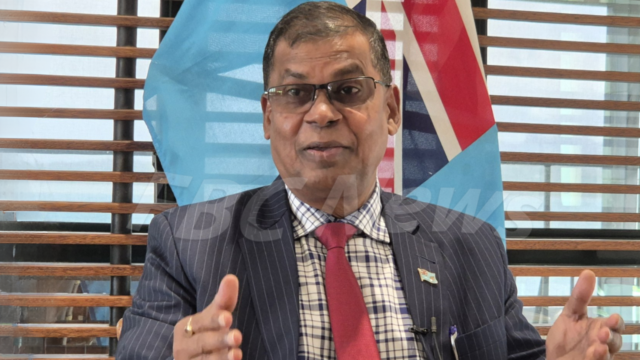
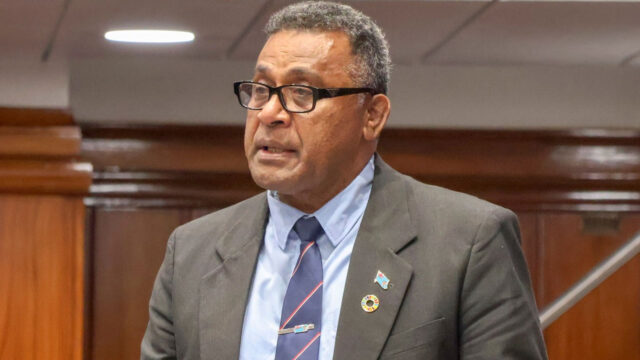
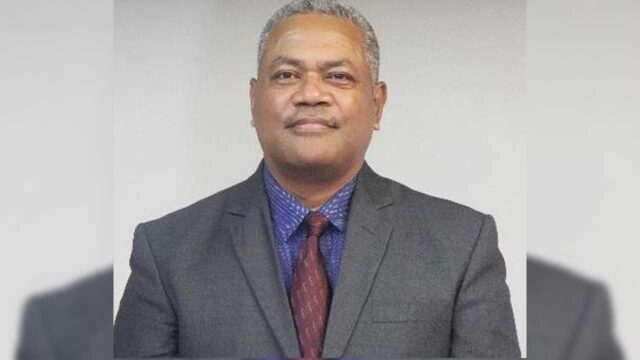
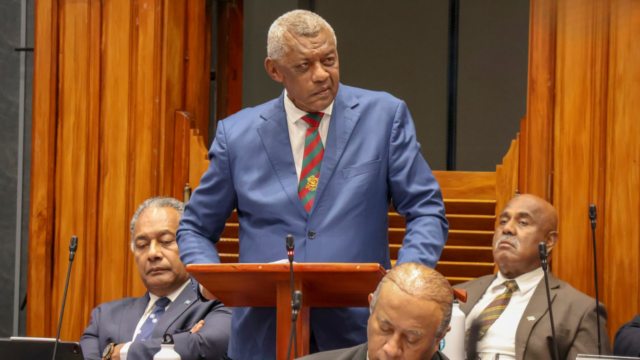
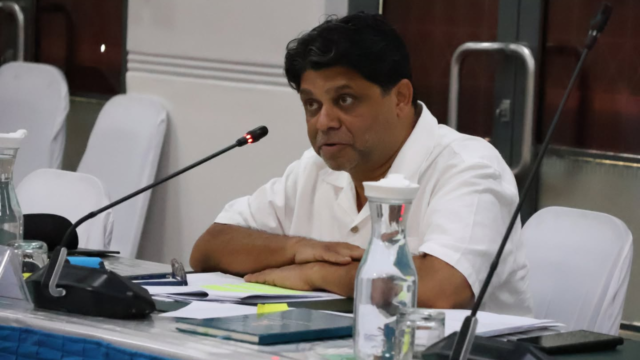
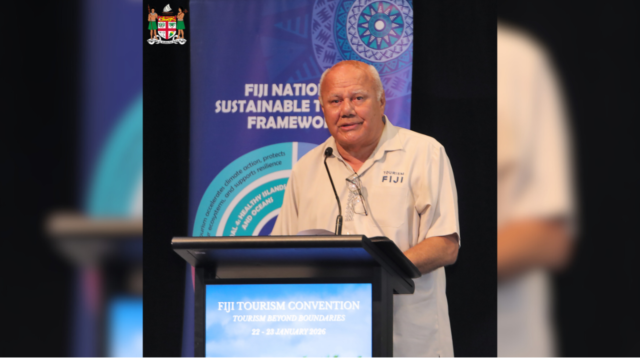
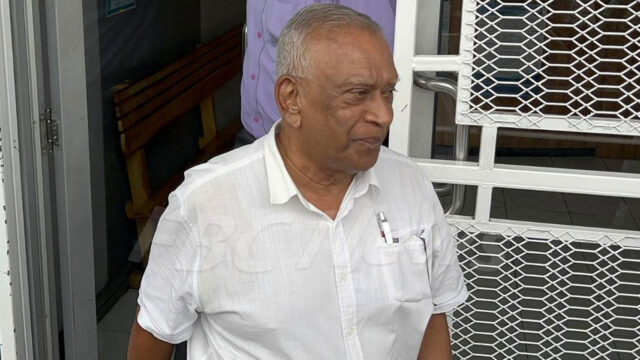
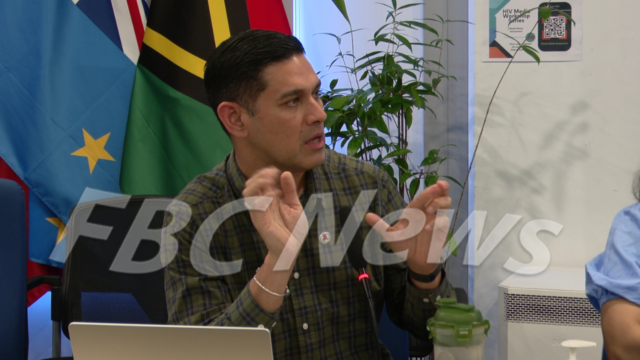
Former Finance Minister Professor Biman Prasad says government has several options it can consider to help ease the impact of rising fuel prices on Fijians.
His comments come in support of earlier remarks by Prime Minister Sitiveni Rabuka, who had indicated that government travel and other operational spending should be reduced.
Prof Prasad says this is one of several areas that can be looked at, including cuts to non-essential expenditures such as government travel, conferences, workshops, and training programmes.
He says these operational savings could be redirected to support more urgent national priorities, particularly those affecting vulnerable groups and households impacted by high fuel costs.
The former Finance Minister also suggests that some long-term capital projects could be delayed, especially those that do not have an immediate impact on daily life, allowing funds to be redirected to areas of greater need.
“That could be delayed to ensure that the appropriate funding is targeted towards addressing some of the targeted sectors, the more vulnerable groups, making sure that they get the support. There are a number of areas we can look at and how we can rationalize expenditure.”
Prof Prasad says ensuring these groups receive support is important to maintain economic activity and protect jobs during the current fuel price pressures.
He also points to the importance of maintaining production and supply chains, noting that unlike the COVID-19 period, the current fuel crisis requires keeping the economy running while adjusting spending priorities.
On the international front, Prasad says Fiji should also explore stronger economic cooperation with partners such as Australia, including possible budget support in light of ongoing discussions on a security treaty.
He says this could help Fiji better manage expenditure and redirect resources to critical areas over the medium term.
Prof Prasad adds that the current situation highlights the need for clearer prioritisation of government spending to ensure fuel and energy supplies are directed to sectors that sustain the economy.