 Litia Cava
[Photo: File]
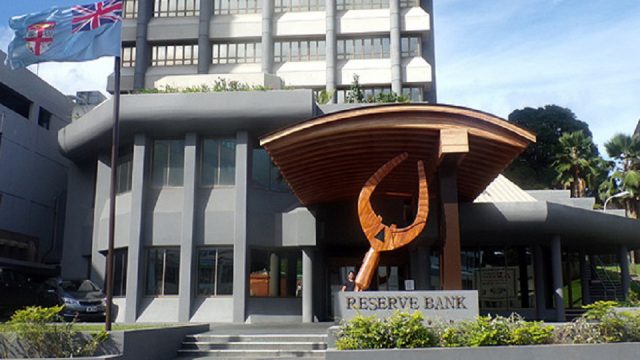
The Reserve Bank of Fiji is facing data gaps as it works to turn green finance policies into actual investment.
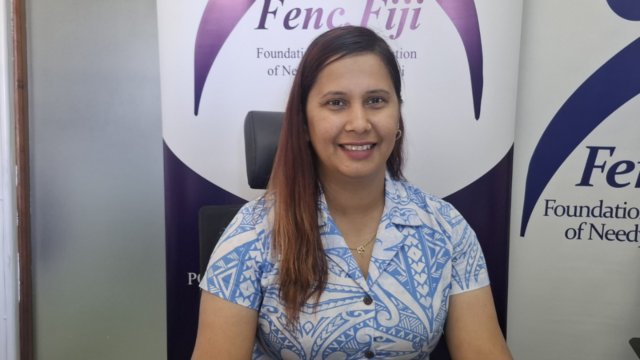
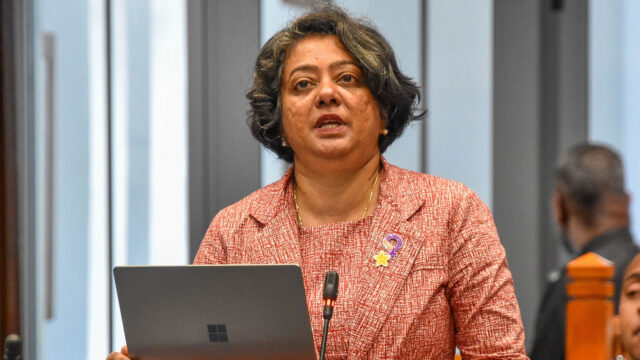
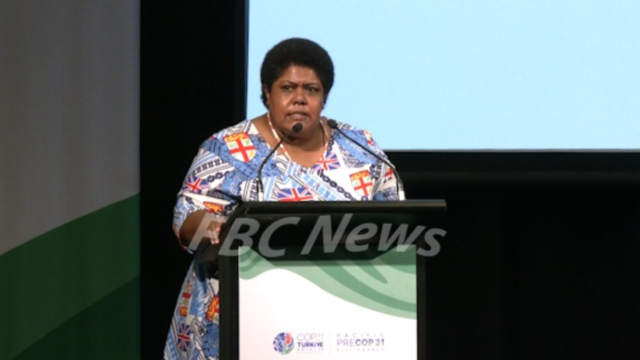
RBF Chief Manager Financial Systems Development Caroline Waqabaca said limited data was making it difficult to measure the impact of Fiji’s Green Finance Taxonomy.
She explained that Fiji has established the policy framework but its success will depend on whether financial institutions adopt it, direct capital towards eligible projects and demonstrate measurable environmental and economic outcomes.
“The calls for impact studies have already come through, even though the taxonomy is only about two years into its development. So, one of the challenges we have is really around the data gaps and how we can strengthen data collection and reporting systems to measure the impact of the taxonomy.”
Waqabaca states that calls for impact studies have already emerged, despite the taxonomy being only about two years into its development, exposing the need for stronger data collection and reporting systems.
The taxonomy provides a common set of criteria to help financial institutions identify activities that qualify as green and align financing decisions with Fiji’s climate commitments and development priorities.
However, Waqabaca said moving from policy development to widespread market adoption would require more than publishing guidelines.
Financial institutions, she adds need stronger data reporting and verification systems to consistently classify eligible activities, while banks also require additional training to incorporate the framework into their lending, investment and risk management processes.
Waqabaca said the country must also develop a stronger pipeline of eligible and measurable green projects capable of attracting financing and demonstrating tangible benefits.
RBF is now focused on building market capability, embedding the taxonomy into financial decisions and scaling up investment.
The next phase of the framework will also expand beyond climate change mitigation to include adaptation and resilience, with agriculture, buildings and manufacturing among the sectors targeted for further development.
Waqabaca adds that collaboration between government, regulators, financial institutions, development partners and the private sector will be essential to advancing sustainable finance in Fiji.
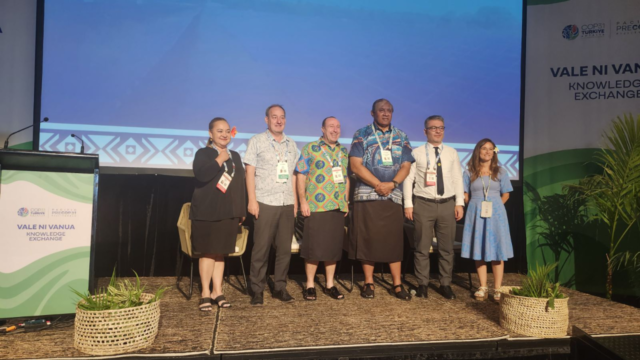
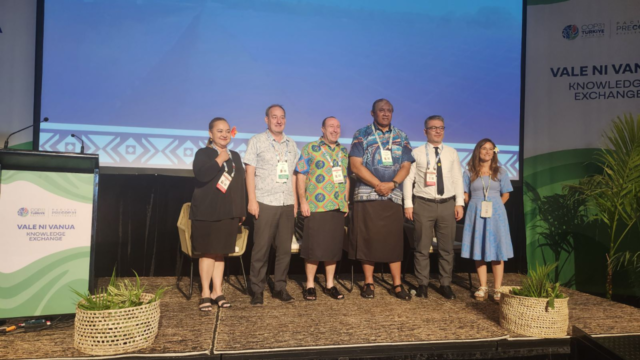
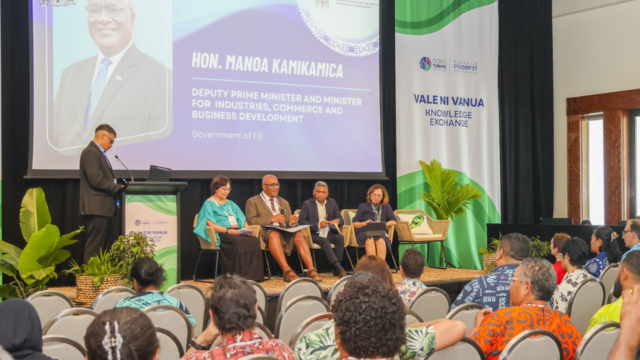
This was discussed during a regional discussion on aligning green finance taxonomies and mobilising investment for a low-carbon, climate-resilient Pacific.
It was held at the Grand Pacific Hotel in Suva today.
Hosted by KPMG Fiji, the Pre-COP31 Taxonomy to Transition event brought together representatives from the Reserve Bank of Fiji, Bank of Papua New Guinea, BSP, the Green Finance Centre and the International Finance Corporation to discuss the practical implementation of green and inclusive finance taxonomies across the Pacific.