
source: BBC
The Mandalorian & Grogu is released this week and is set for the lowest opening weekend of any Star Wars film ever. With the TV shows also struggling, here’s why interest is waning.
It’s been seven years since the Star Wars franchise visited a galaxy far, far away on the big screen. In December 2019, The Rise of Skywalker, the third and final film in the franchise’s sequel trilogy, was released, earning $1.077bn (£806m) worldwide. It pulled in only around half what the first film in the trilogy, 2015’s The Force Awakens had made.
This disappointing amount reflected the increasingly poor audience and critical response to the three films. A year earlier, in 2018, the standalone film Solo: A Star Wars Story had also bombed hard, earning just $393m (£294m) globally.
Since then, the film series has been on a lengthy hiatus, while Lucasfilm, bought by Disney for $4.05bn (£3.03bn) in 2012, has been busy expanding the Star Wars universe on TV with a whole host of live-action shows, starting with hit The Mandalorian.
However, interest in these has declined as they have proliferated: the most recent new series, 2025’s Skeleton Crew, recorded the lowest opening ratings for a Star Wars show yet, while 2024’s The Acolyte was cancelled after one season.
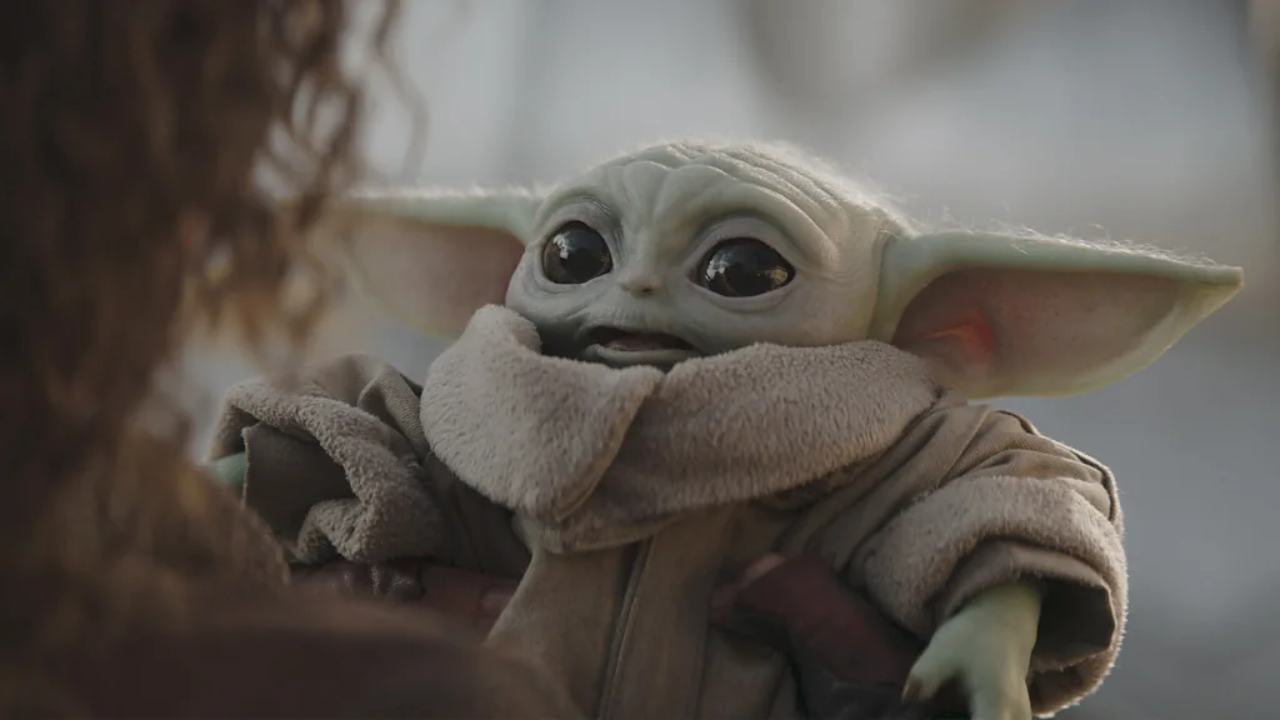
Now, finally, a new Star Wars cinematic era is beginning with this week’s The Mandalorian & Grogu, the 10th film in the franchise and a spin-off from its small-screen counterpart. Co-written by The Mandalorian series co-creators Jon Favreau and new Lucasfilm president Dave Filoni with Noah Kloor, and directed by Favreau, it follows the further adventures of Pedro Pascal’s helmet-wearing bounty hunter Din Djarin and his sidekick-in-training, aka “Baby Yoda”.
But the signs here, too, are not good. Prerelease tracking suggests it will score just $80 million domestically during its opening weekend – the lowest opening for a Star Wars film ever. So what exactly has gone wrong with the Star Wars universe?