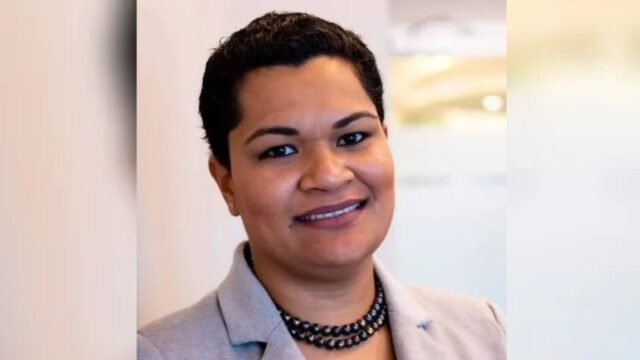
 Vasenai Soqo
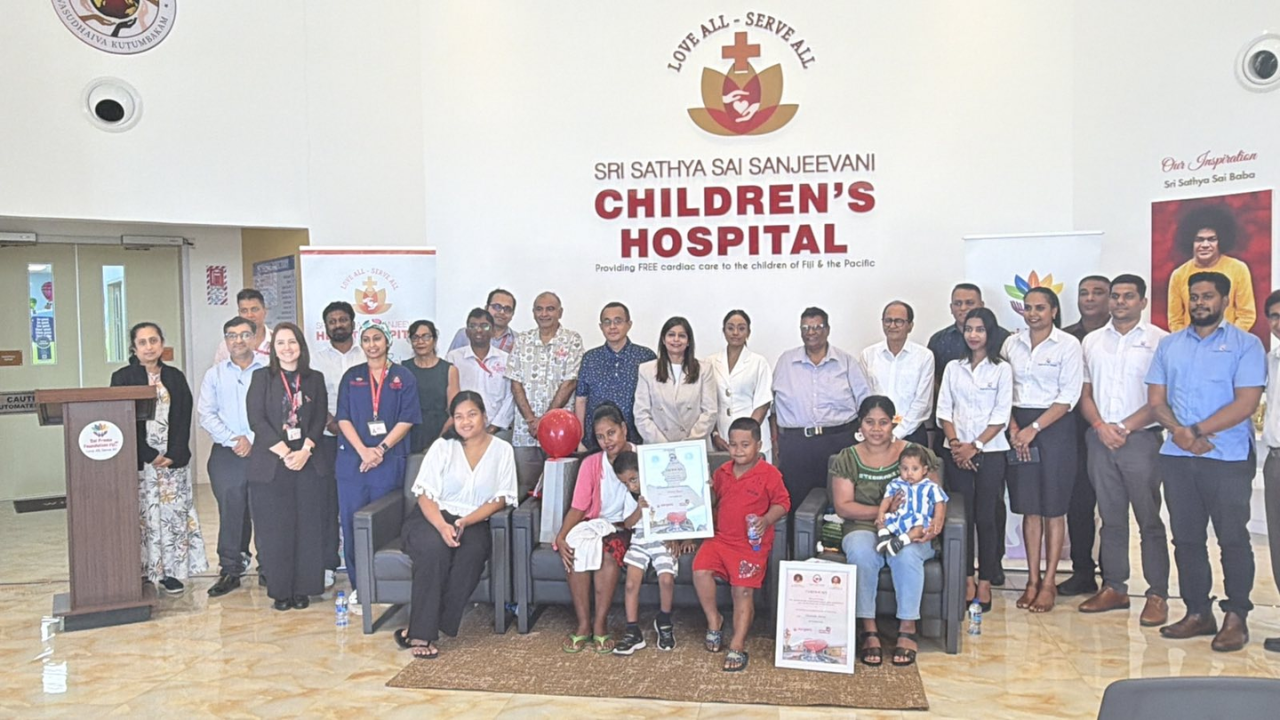
[Photo: Supplied]
The Sri Sathya Sai Sanjeevani Heart Hospital in Fiji is expanding its reach across the Pacific, providing specialised cardiac care to children from Fiji and neighbouring island countries.
The hospital was established to provide free cardiac treatment to children, particularly those affected by Rheumatic Heart Disease and other heart conditions.
Children from Solomon Islands and Kiribati have recently received treatment through the hospital’s visiting medical missions.
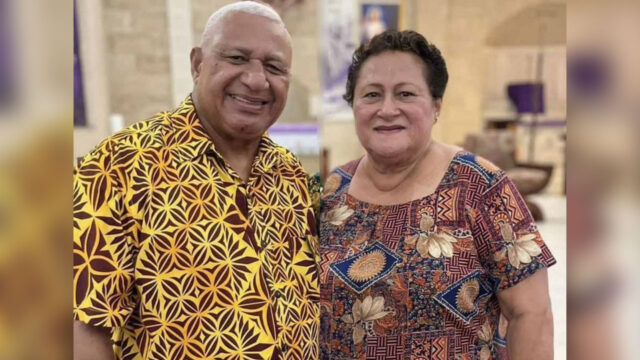
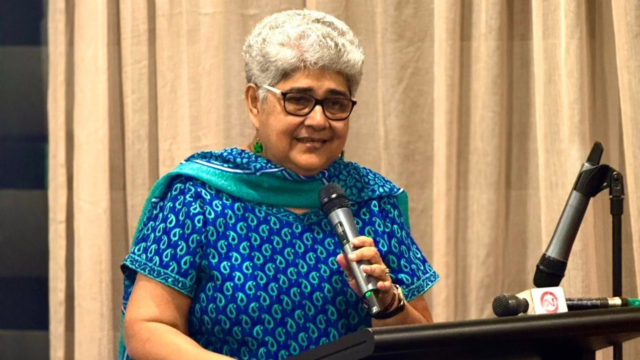
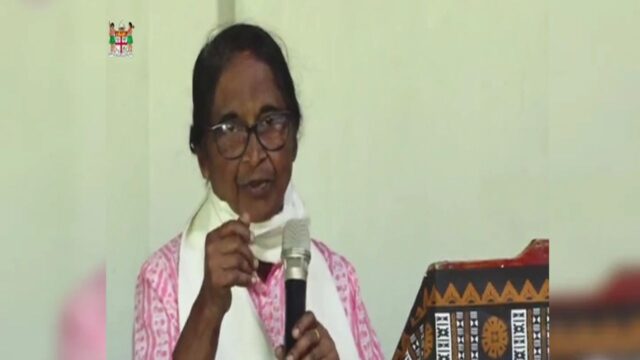
Hospital Director and General Practitioner Dr Kruppali Tappoo says the hospital is grateful to be helping more children across the Pacific.
“We’re really grateful that we’re able to help more and more children.”
She says the hospital has previously assisted children from Tonga, Samoa, Vanuatu, Kiribati, Tuvalu, Papua New Guinea and other Pacific countries.
The hospital’s work begins with early detection, with screening programmes conducted in schools, public health centres, communities and through rural health outreach.
Dr Tappoo says more than 56-thousand heart screenings have been conducted so far.
She says early detection gives children a better chance of receiving timely treatment.
Five children also recently underwent interventional cardiac procedures, allowing cardiologists to close small holes in the heart without major open-heart surgery.
The procedures use devices inserted through a catheter, allowing some children to return home as early as the following day.
Dr Tappoo says the hospital plans to expand its interventional cardiac services.
It also plans to introduce angiograms and stent procedures for adults in Fiji, given the country’s high burden of non-communicable diseases.
She says the hospital currently relies on visiting specialist teams because it does not have an in-house interventional cardiologist.
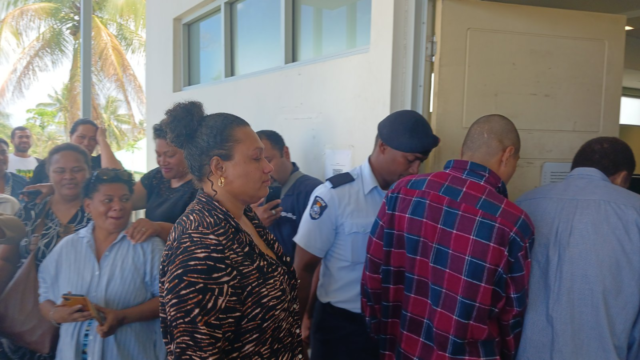
For families caring for children with heart conditions, the specialised treatment is providing renewed hope.
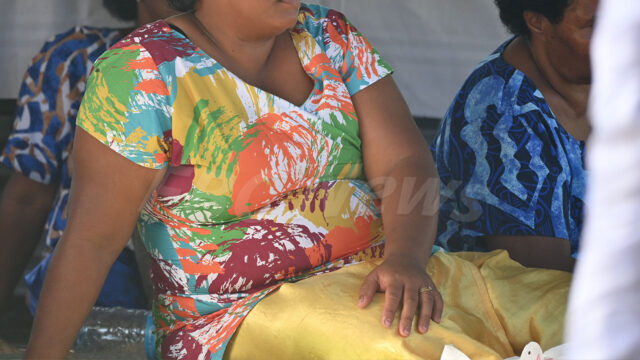
Mother Bwenatetaeke Tetebano says she was told her son, Nileutabu Aumota, was born with a heart defect.
She says he had difficulty breathing and struggled to take fluids, including breastfeeding.
Another mother, Mwangita Tobwaia, became concerned about her son after symptoms began affecting his sleep.
These families are among those benefiting from early detection and treatment.
Dr Tappoo is also urging adults to take greater responsibility for their heart health by eating healthier, reducing salt and fat intake, taking prescribed medication and staying physically active.
A pediatric medical team from New Zealand is expected in October, as the hospital continues providing cardiac care to children and families across the Pacific.