 Praneeta Prakash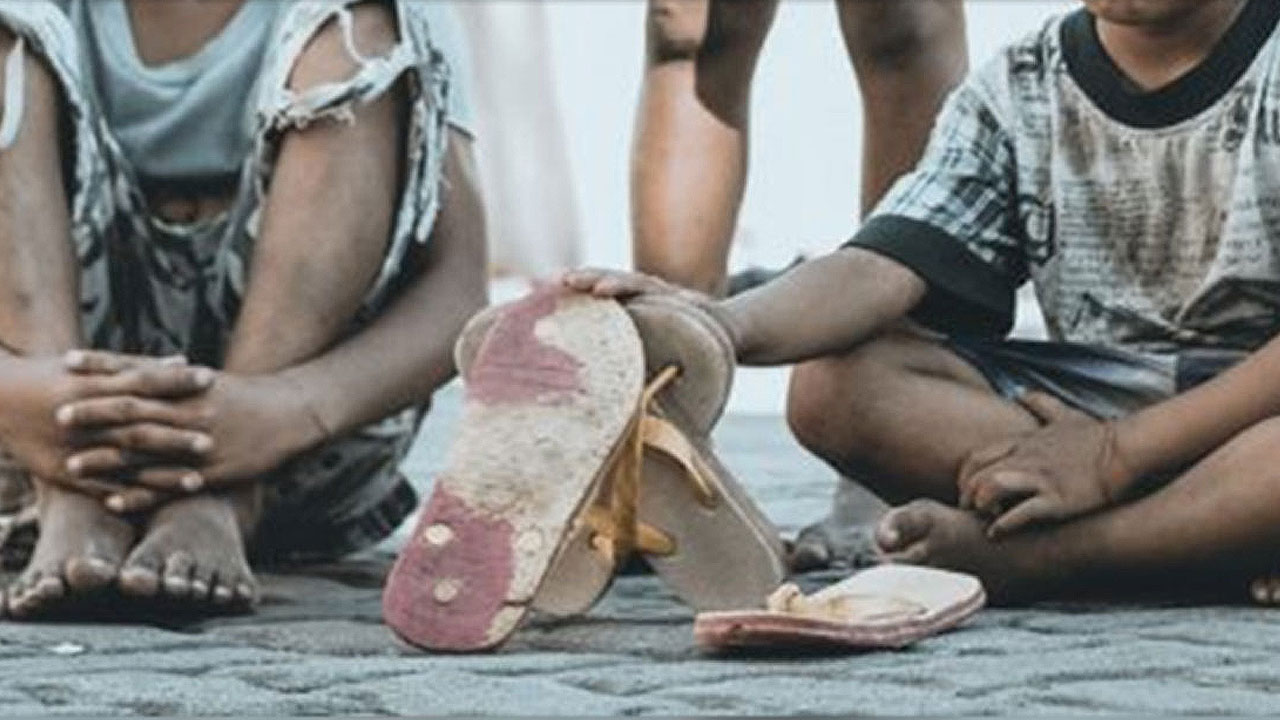
[Photo: File]
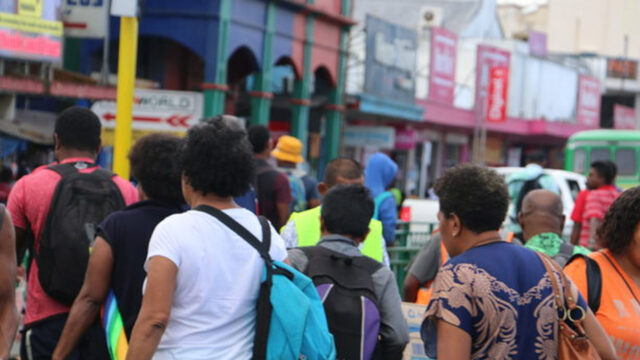
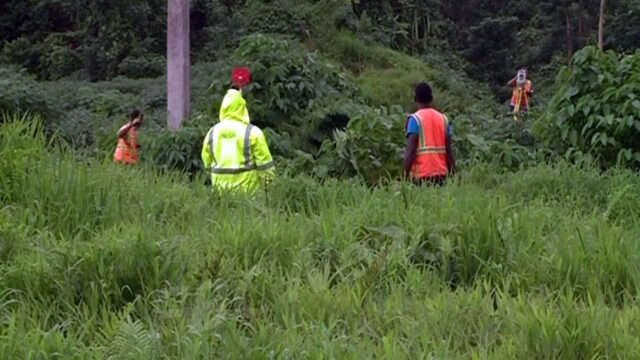
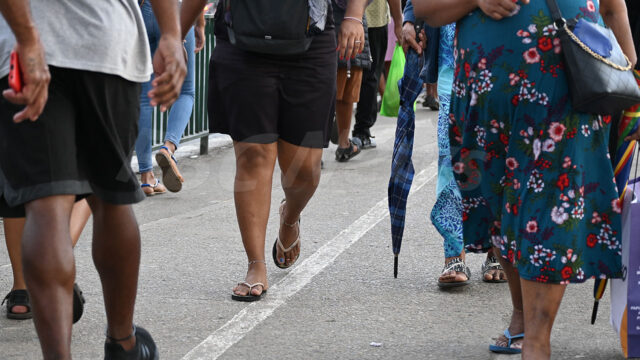
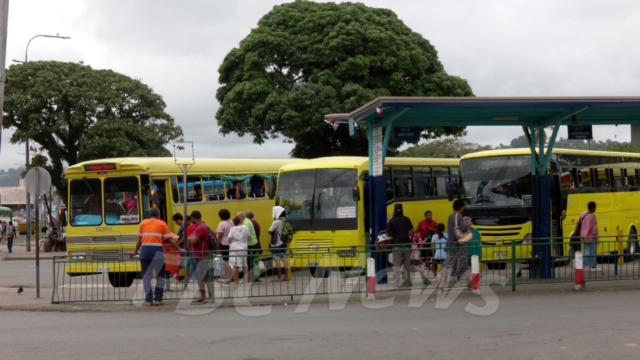
The Ministry of Women, Children and Social Protection is intensifying multi-agency operations across urban centres to assist people living, sleeping or begging on the streets.
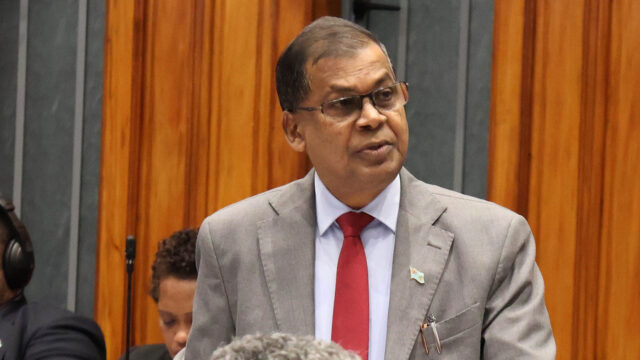
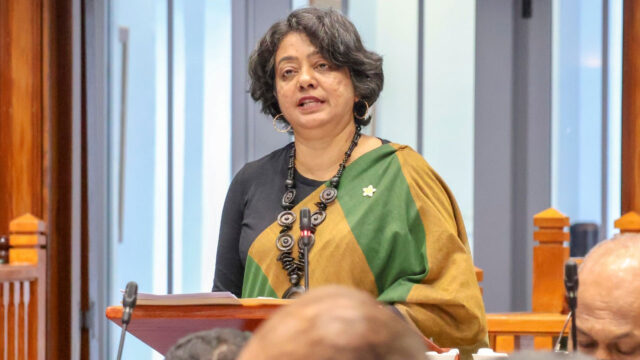
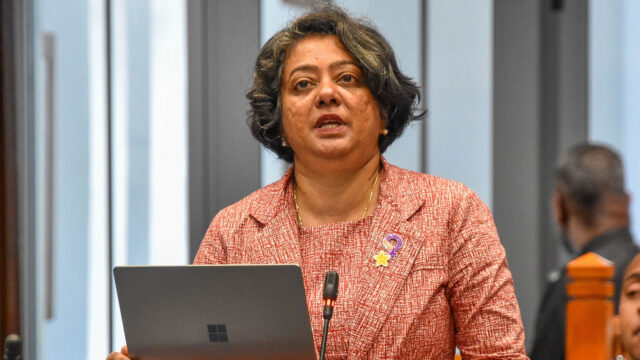
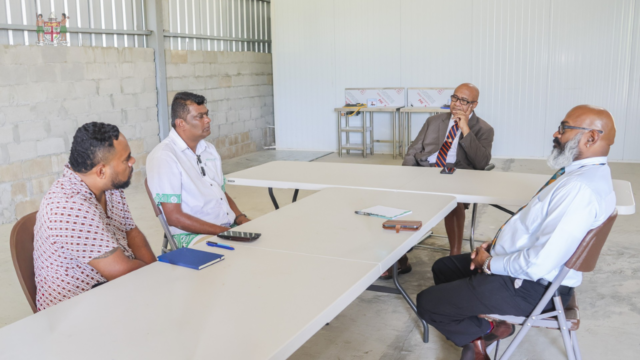
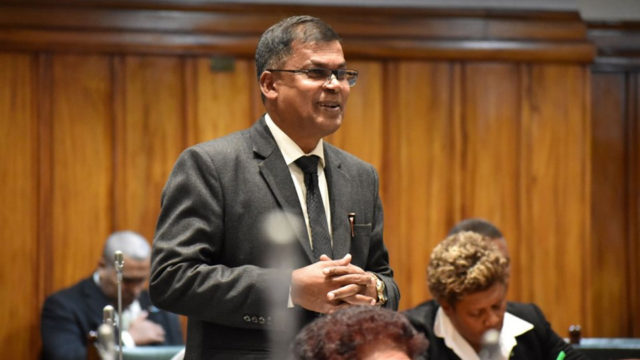
Minister Sashi Kiran says the focus is not simply on removing people from public spaces, but on addressing the underlying issues that lead them to the streets, including family breakdown, neglect, addiction and other complex social challenges.
Kiran says recent operations have been conducted in Suva, Nausori, Lautoka, Nadi, Sigatoka and Labasa, involving the Ministry, municipal councils, the Fiji Police Force, health agencies, civil society organisations and faith-based groups.
She says July operation in Lautoka profiled 56 people, including 20 people engaged in begging and 36 street dwellers.
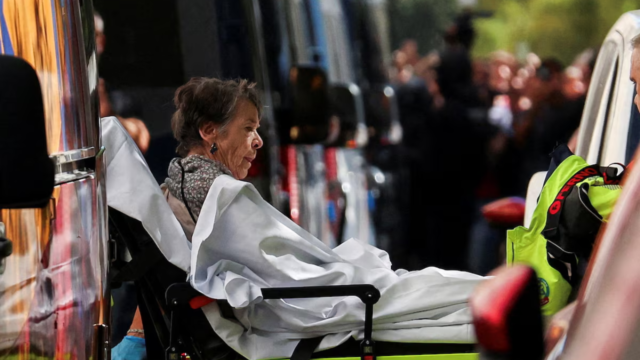
Kiran says of the eight senior citizens identified, five were assisted to return home, while three were placed in aged-care facilities.
A further 12 youths, including four girls, were taken into care facilities.
The Ministry says around 75 percent of those profiled in Lautoka were young people between 15 and 35 years old, highlighting the need for stronger family support, education, rehabilitation, skills training and employment opportunities.
In Nadi, 12 people were identified during recent operations, including eight street dwellers and four people engaged in begging.
Four required medical intervention, five were reunited with their families and three were placed in a shelter.
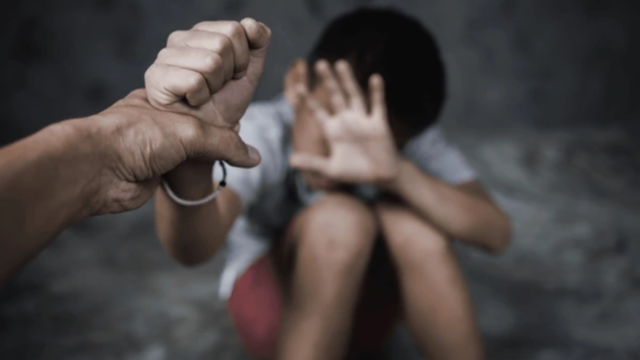
The Ministry has also increased its focus on children found in unsafe street situations.
Nine boys, mostly aged between 14 and 17, are currently being supported at Kauwai Restoration Home in Raiwaqa.
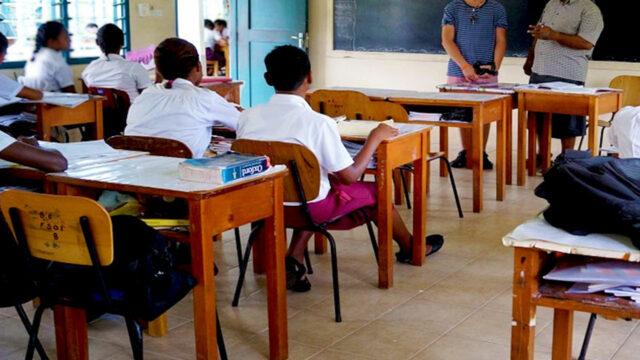
Six have been enrolled in secondary school, while three are being assisted to enter vocational education and skills training.
Kiran says children found on the streets are treated as children in need of care and protection, rather than offenders.
The Ministry provides safe shelter, food, clothing and other assistance while assessments and case management are carried out.
Kiran says where it is safe and in the child’s best interests, efforts are made to reunite them with their families.
She says preventing people from returning to the streets requires more than temporary accommodation.
The Minister adds support can include family mediation, medical treatment, counselling, education, vocational training, rehabilitation and access to social protection programmes.
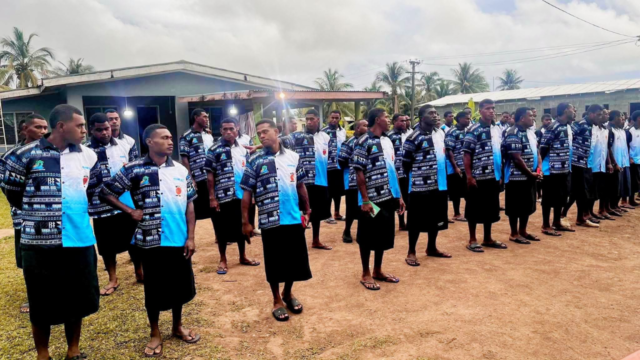
Twenty-eight young men have also completed the Blue Light Training Programme in partnership with the Fiji Police Force, with the programme focusing on discipline, life skills, mentoring and pathways into education and employment.
The Ministry is also strengthening rehabilitation and transitional care through partnerships, including the Na Salavou drug rehabilitation facility for children and the Salvation Army’s Kauwai Restoration Home.
Kiran says the long-term goal is not merely to clear streets, but to restore safety and dignity while addressing the circumstances that brought people there.
She says preventing people from returning to the streets requires a whole-of-society response involving families, police, health services, councils, faith-based organizations, civil society, employers and training providers.