 Praneeta Prakash
The Fijian Competition and Consumer Commission has today defended its fuel pricing methodology, saying adjustments made during the April pricing cycle were necessary to protect consumers amid unprecedented global fuel market volatility.
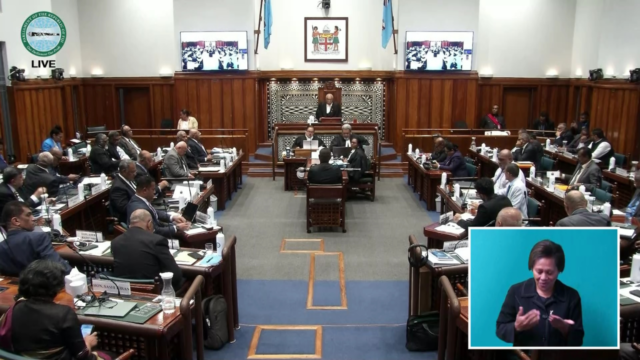
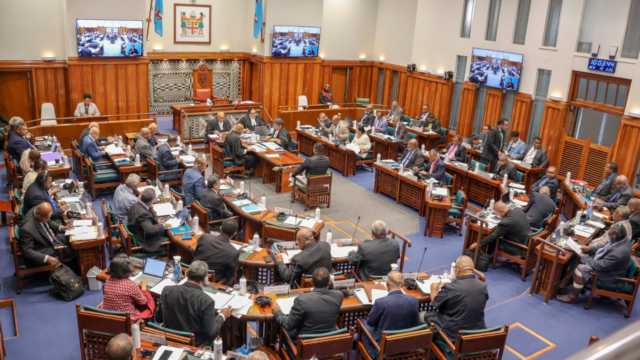
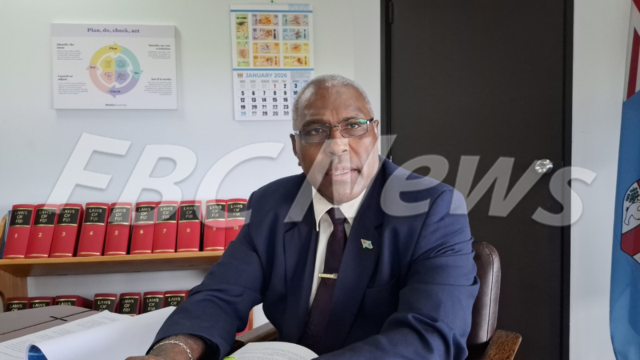
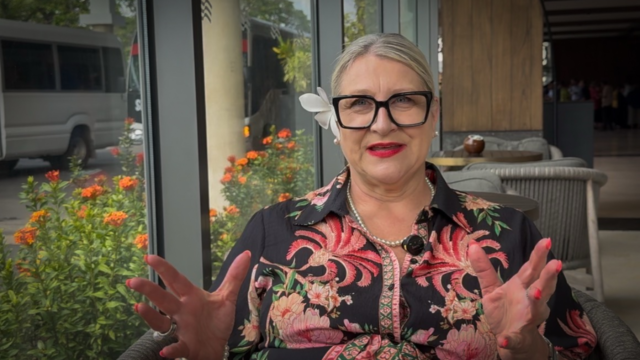
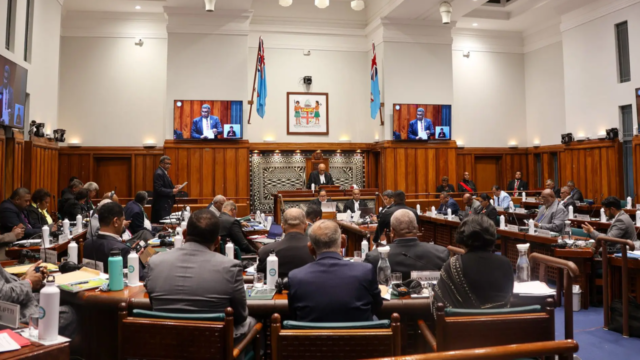
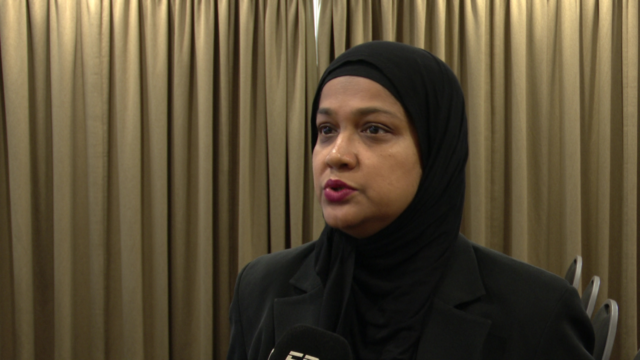
FCCC Chief Executive Senikavika Jiuta told Standing Committee on Economic Affairs that the commission continues to apply the least cost supplier methodology, while closely monitoring international fuel market disruptions and their impact on Fiji.
She explained that recent instability in global oil markets, including geopolitical tensions in the Middle East and supply chain disruptions, required the regulator to take additional measures to cushion domestic fuel price impacts.
Jiuta sys the commission extended its pricing reference window by 20 days during the April pricing cycle, but maintained that the core methodology remained unchanged.
“The tensions that happen with this Iran and US Gulf tension started on 28th of Feb. From 28th of Feb, as a regulator, we started saying, okay, we need to put out advisory because this will now start affecting the Fijian people. This will have a macroeconomic impact. When we were also cognizant of the fact, yes, we do regulate fuel prices, so we started having this conversation internally. We did present to the Board, so the methodology did not change. We did not really change the methodology. The methodology remained, which was least cost supplier methodology.”
Jiuta adds that the adjustment helped prevent a sharper increase in domestic fuel prices.
“During this unprecedented time, we had to take an action to first protect us, consumers, so that it doesn’t hit your pockets come May, if I could just rightfully state out here, it would have gone up to $4.60, your diesel price. We saw that coming. As a regulator, to protect us, consumers, and also again, the macroeconomic impact.As soon as fuel prices go up, the first people on our doorstep are the bus operators. Apart from the bus operators, we have the electricity sector that’s in our doors. Apart from the electricity sector, manufacturers, everybody gets impacted.”
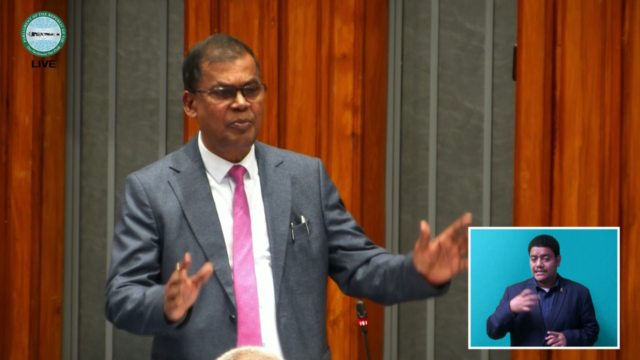
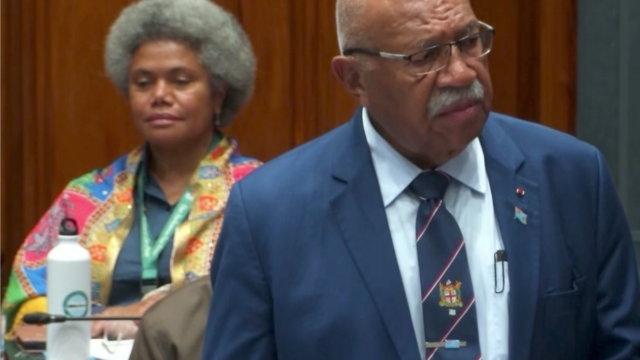
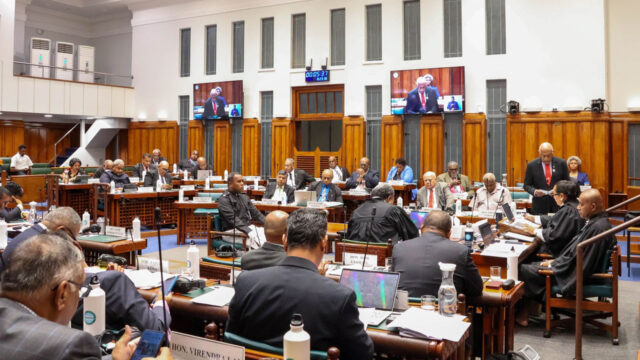
However, Standing Committee on Economic Affairs member, Premila Kumar raised concerns over transparency, questioning whether the public was clearly informed about changes to the pricing calculation period.
She says that while the adjustment may have been justified, clearer communication was needed to avoid confusion and maintain public confidence in the pricing system.
Concerns were also raised about consistency in applying the methodology and whether such changes required further approval or clearer disclosure processes.
Jiuta maintained that all adjustments were made within regulatory parameters and were necessary to balance consumer protection with market realities.