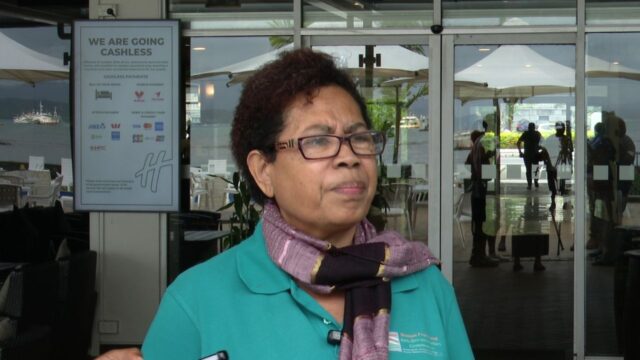
 Litia Cava

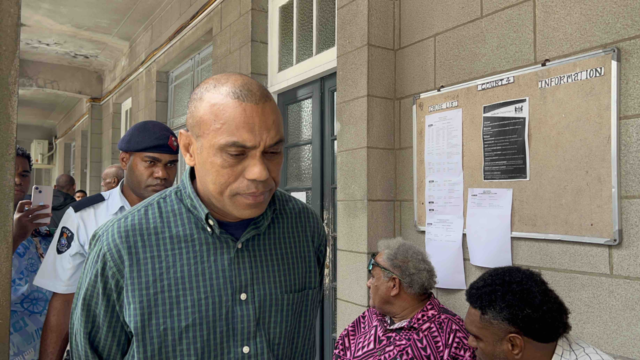
[Photo: FILE]
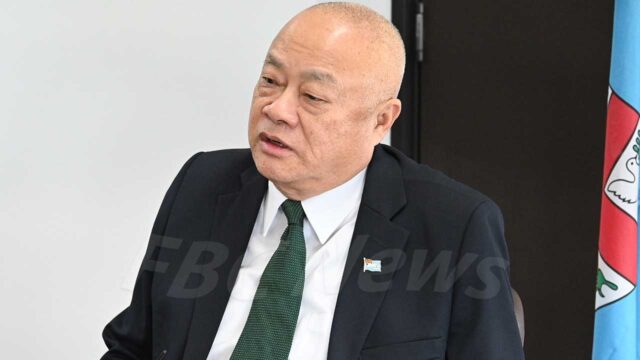
The Fiji Law Society is calling for a constitutional limit of 15 cabinet ministers and a two-term limit for Prime Ministers.
It warns that the cost of an expanding government places an unnecessary burden on taxpayers.
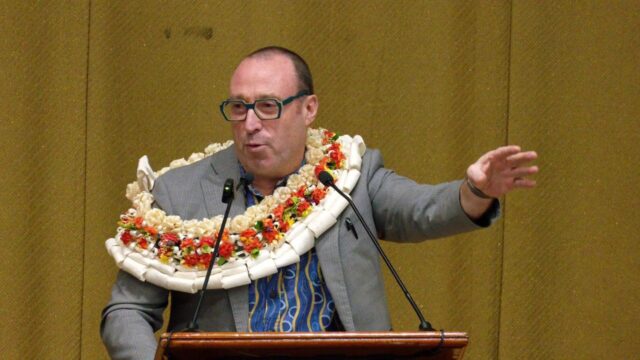
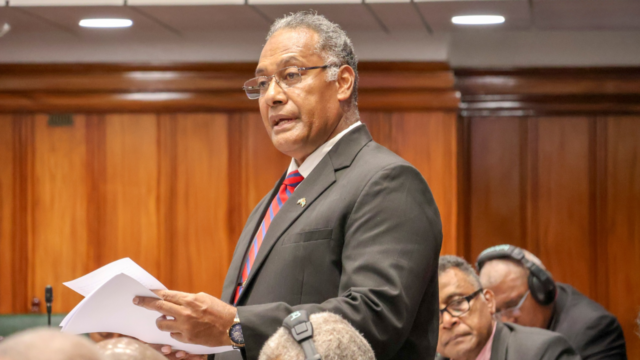
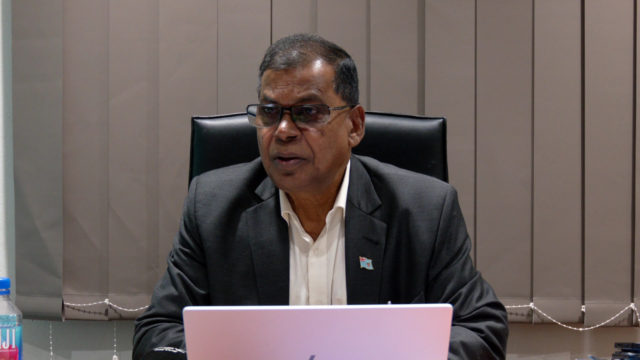
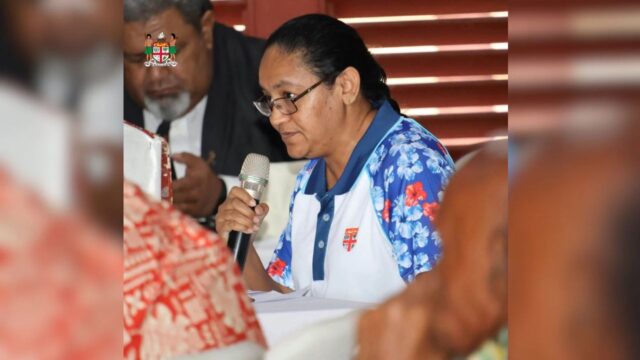
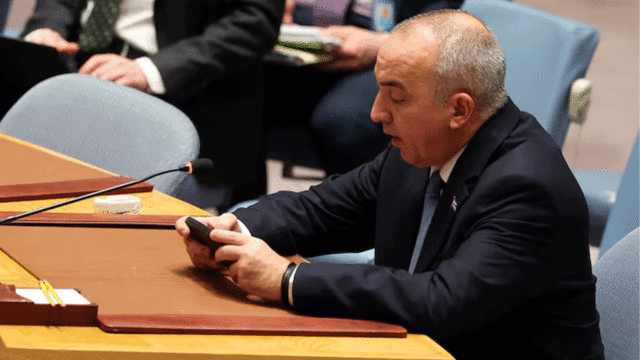
Fiji Law Society President Graham Leung presented the recommendations to the Special Committee reviewing the Constitution Amendment Bill 2026.
He argued that Fiji needs a leaner executive with stronger limits on the use of public resources.
“We are not a rich country, and the larger the size of the Cabinet, the greater the cost to the taxpayer.”
The Fiji Law Society also supports limiting the Prime Minister to two four-year parliamentary terms.
Leung said the restriction should apply prospectively, rather than retrospectively, avoiding its application to terms served before the proposed change takes effect.
The recommendations form part of the society’s wider position on executive accountability and the structure of government under the proposed constitutional amendments.
Leung also challenged the proposed process for appointing the President, arguing that the head of State should be chosen through a broader democratic mandate.
He said the President represents all citizens, irrespective of ethnicity and should not be appointed solely through an unelected body of representatives.
The Society favours retaining Parliament’s role in selecting the President, while also supporting a seven-member presidential commission proposed by the Constitution Review Commission.
It opposes giving the Bose Levu Vakaturaga exclusive authority over the appointment.
On Parliament’s structure, Leung questioned whether Fiji needed to restore a Senate after at least 16 years without a second chamber, raising concerns about the cost of establishing and maintaining the additional parliamentary infrastructure and support services.
Leung said constitutional reform must be considered alongside the country’s financial constraints and the need for government to remain accountable to the people it serves.