
The United Blind Persons of Fiji (UBP) is calling for improved accessibility, road safety and inclusion for people who are blind or have low vision.
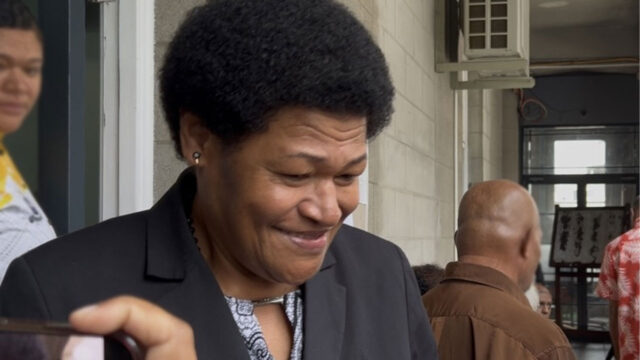
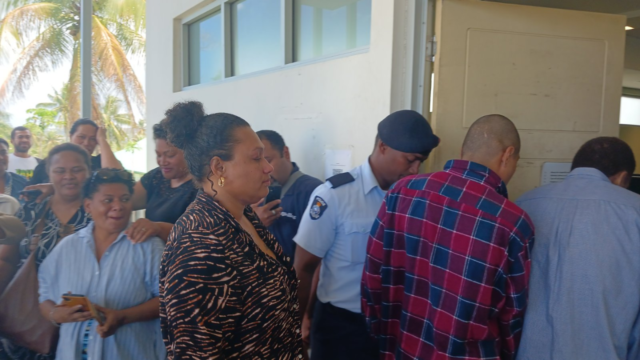
UBP president Ruci Senikula made the call during International White Cane Day celebrations at Suva’s Sukuna Park on Thursday, October 15, under the theme, “The White Cane: Independence, Safety and Inclusion.”
Senikula urged the public to respect the independence of white cane users, keep footpaths clear, and make roads safer for people with visual impairments.
“When you see someone using a white cane, please do not grab their arm or take their cane. Instead, simply ask, ‘Can I help you?’ Then respect their answer.”
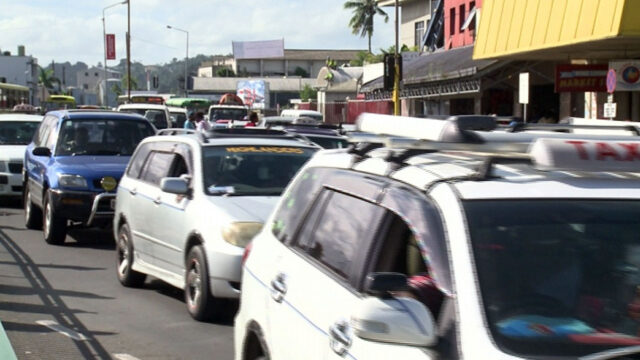
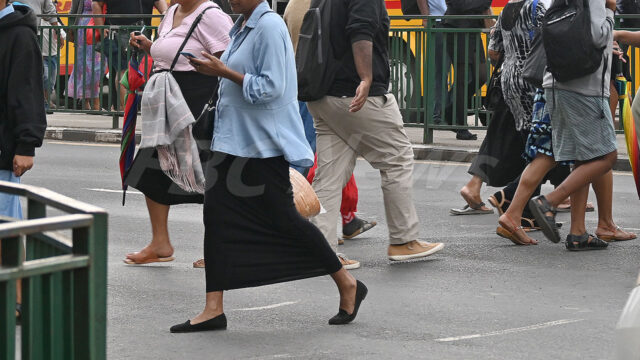
She also called on drivers to stop for white cane users who always waiting to cross roads and urged shopkeepers and market vendors to keep footpaths free of obstructions as well.
Senikula said improvements were needed in audible pedestrian crossings, traffic lights, tactile footpaths, accessible public transport and accessible information. She also stressed that people with disabilities must be involved in decisions affecting their lives.
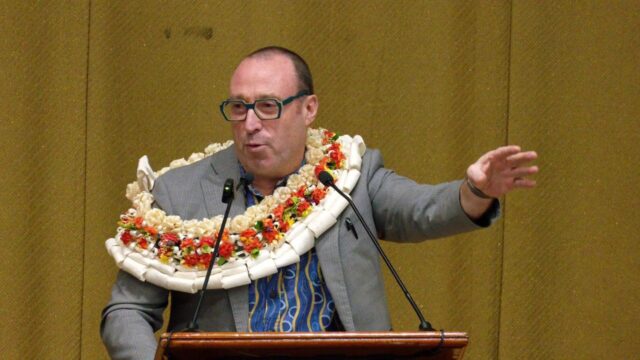
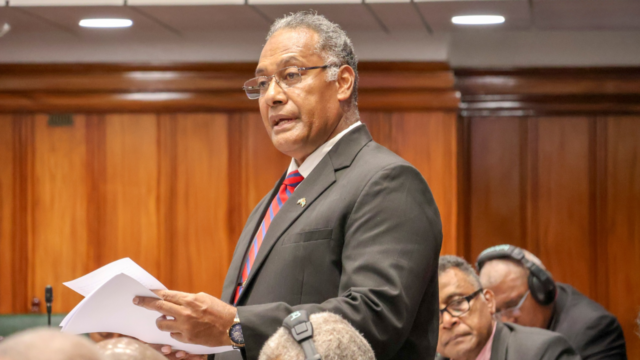
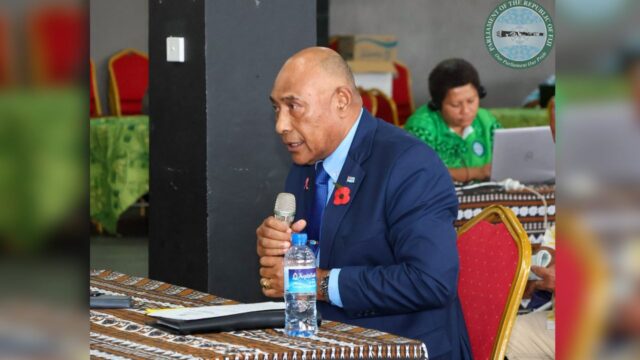
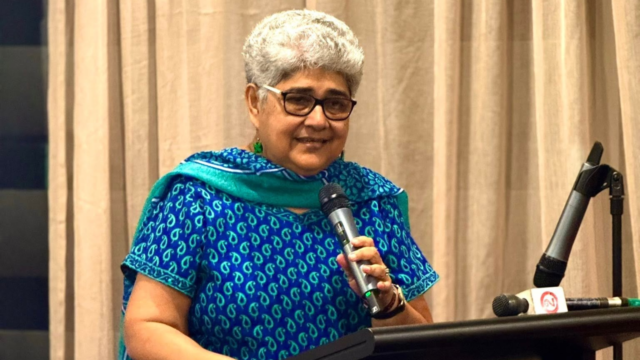
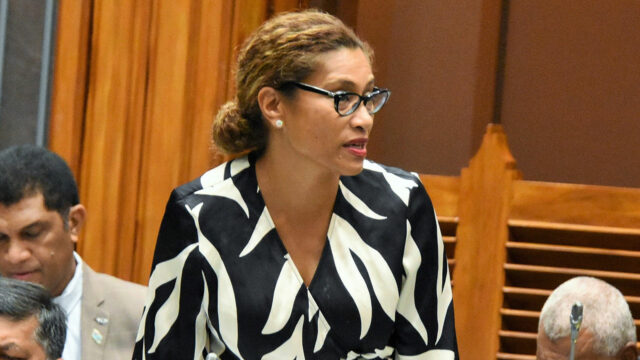
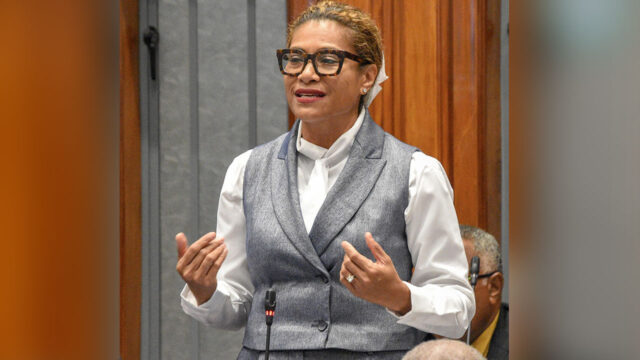
Deputy Speaker of Parliament and Assistant Minister for Foreign Affairs and External Trade Lenora Qereqeretabua called for greater access to education, employment, assistive technology and digital services for people with disabilities.
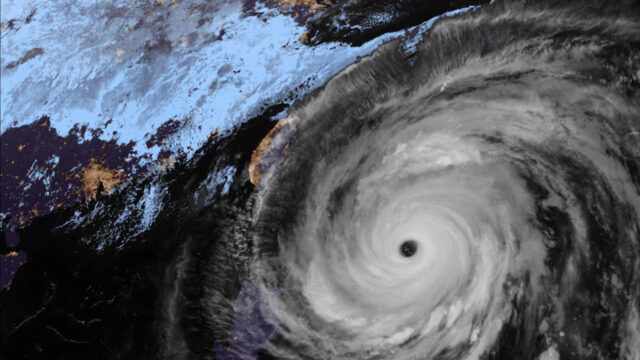
“With Fiji approaching the cyclone season, accessible disaster warnings, evacuation information and relief services are essential for people with disabilities.”
She said people with disabilities must be included in disaster preparedness and response planning to ensure their needs are considered during emergencies.
Qereqeretabua said building an inclusive Fiji required collective action from the Government, businesses, communities and individuals, urging stakeholders to turn awareness into practical measures.
At the same event, UBP project officer Naomi Lewakita highlighted the white cane as an essential mobility tool that enables people who are blind or have low vision to navigate their surroundings, travel confidently and participate in their communities.
She said independence also depended on accessible environments, safe roads and footpaths, public awareness and community support.
Lewakita added that people with visual impairments deserved equal opportunities in education, employment and public services without unnecessary barriers or discrimination.
International White Cane Day is observed annually to promote awareness of the role white canes play in supporting independence, mobility and safety for people who are blind or have low vision.