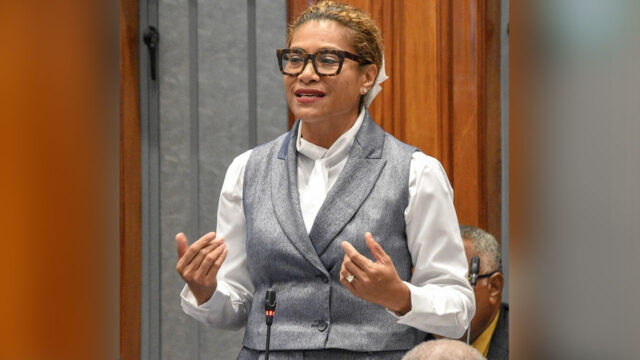
 Litia Cava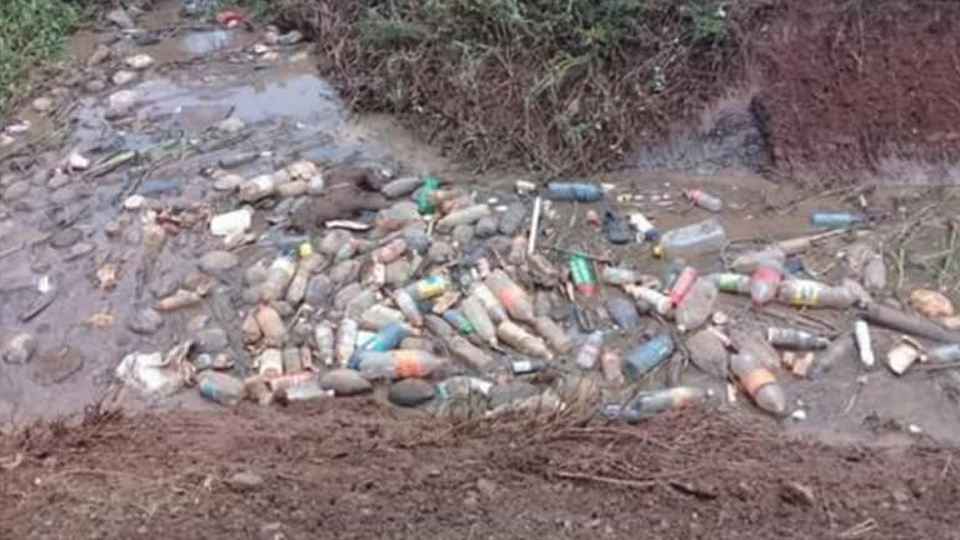
Rubbish causing blocked drains
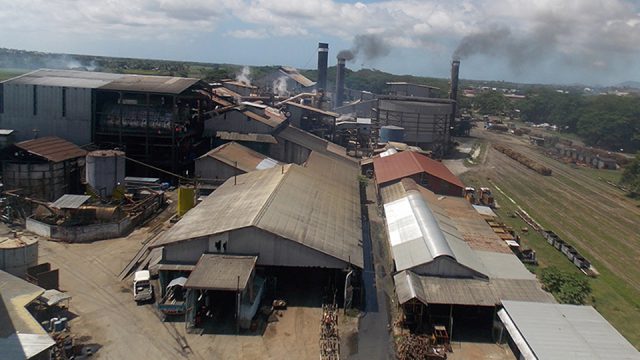
Illegal dumping is threatening sugarcane production, with rubbish flowing through drains into irrigation systems and affecting farming areas.
This, according to the Ministry of Agriculture.
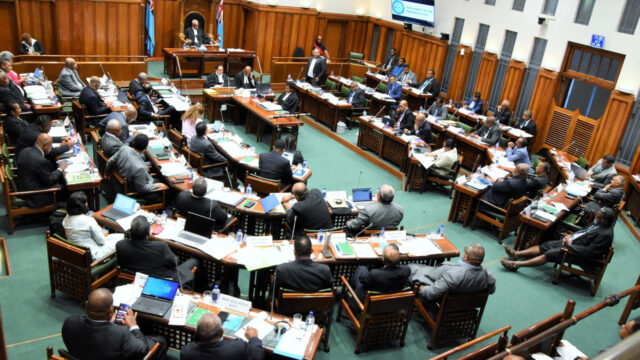
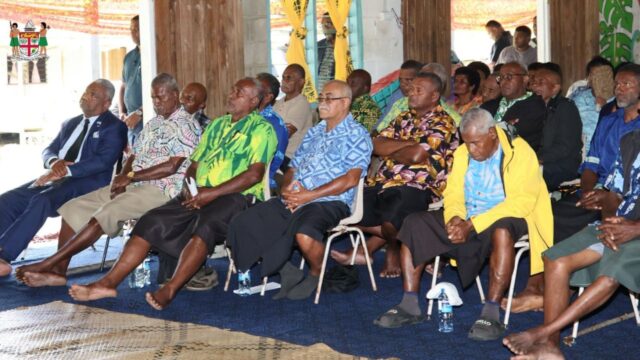
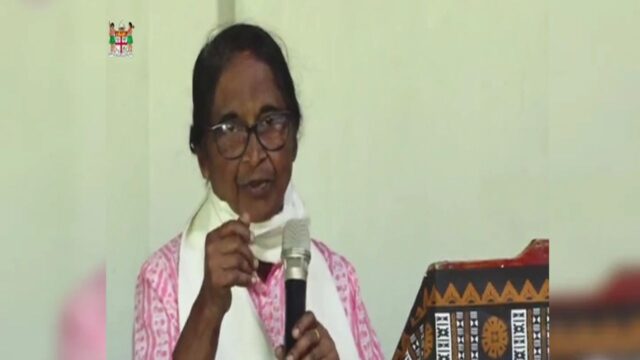
The issue was raised during public consultations on the Public Health (Amendment) Bill 2026, where farmers’ concerns over waste pollution and blocked waterways came under scrutiny.
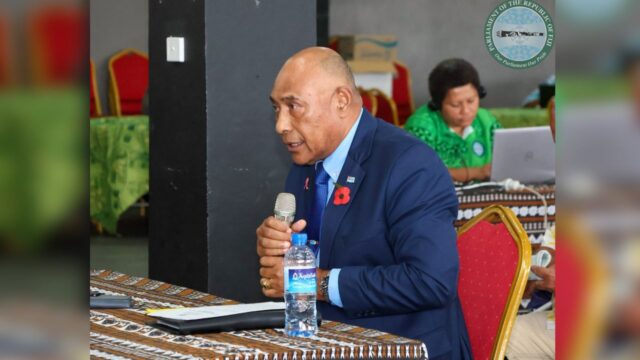
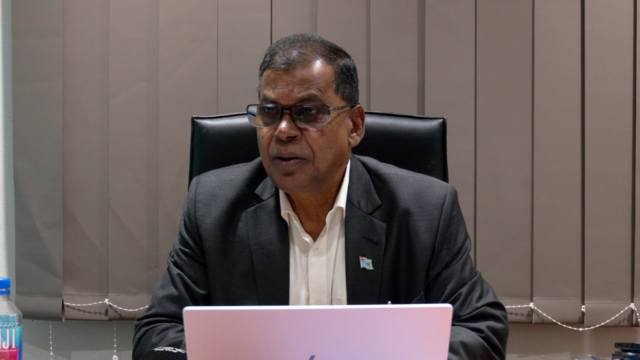
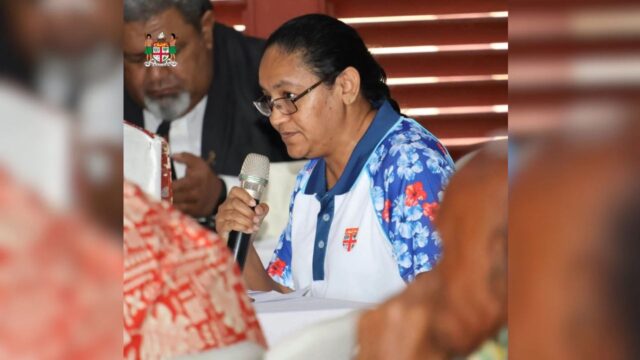
Permanent Secretary for Agriculture, Waterways and Sugar Industry Andrew Tukana told the Standing Committee on Social Affairs that illegal dumping is affecting waterways that connect directly to farming areas.
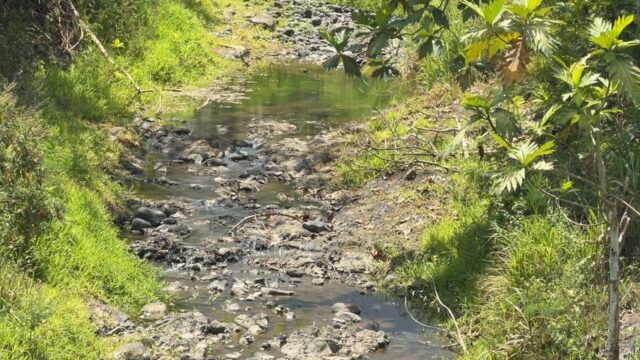
He said waste from municipal drains can flow into streams and rivers, creating problems for communities downstream.
“People should not be polluting the waterways.”
Tukana said stronger awareness, regulation and enforcement are needed to stop people from dumping rubbish into drains, rivers and streams.
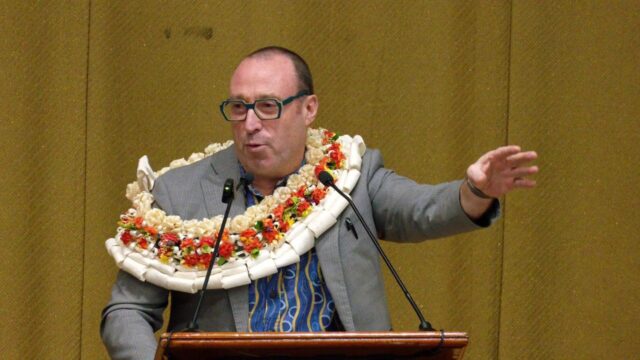
The concerns were highlighted by Opposition MP Ketan Lal, who said farmers in Labasa had repeatedly raised issues about waste entering their irrigation systems.
Lal said disposable diapers and other rubbish dumped into drains were ending up in flood irrigation channels, affecting sugarcane fields, damaging crops and creating health risks when flooding occurs.
Tukana said those responsible for polluting waterways should face penalties, but enforcement should follow a gradual approach.
He said offenders should be given first, second and third warnings before fines are issued.
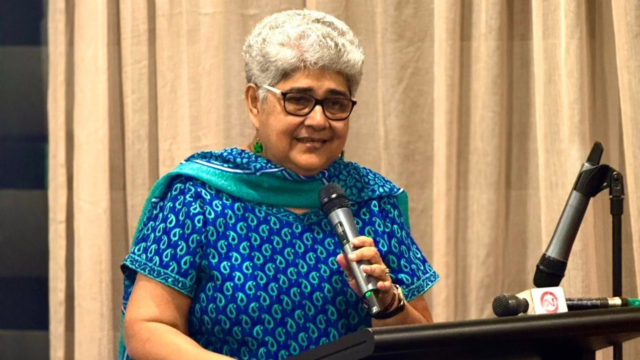
National WASH Coordinator Toga Vosataki said the problem cannot be solved by the Ministry of Agriculture and Waterways alone.
He said rural communities need proper waste management services to prevent people from using waterways as dumping grounds.
Vosataki said the proposed reintroduction of rural local authorities could help provide waste collection services and create a proper pathway for communities to dispose of rubbish.
The Ministry of Agriculture says protecting waterways is essential for safeguarding Fiji’s farms, food production and rural livelihoods.