 Mollyn Nakabea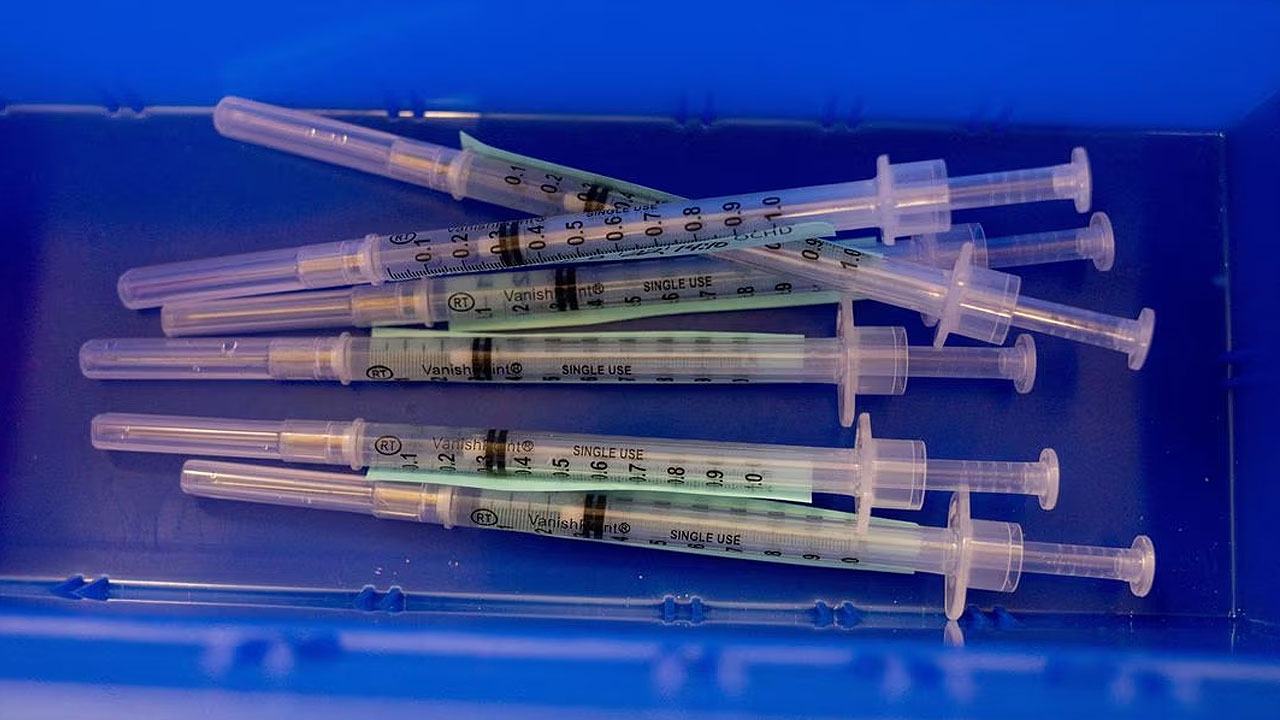
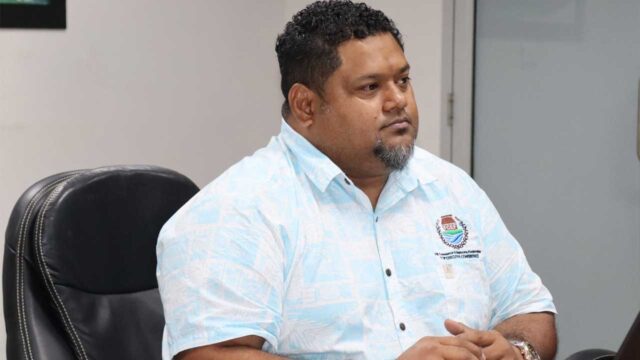
[Photo: File]
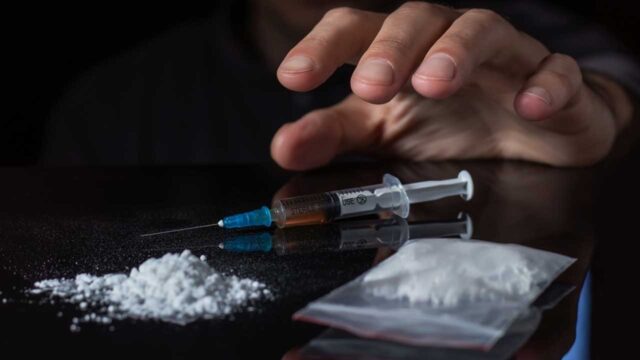
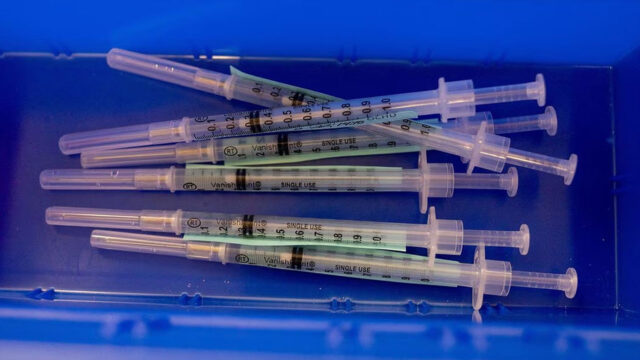
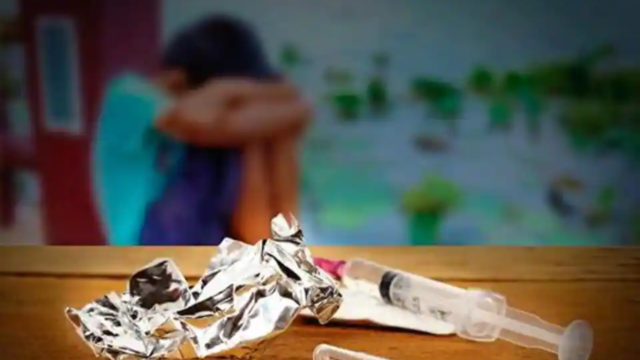
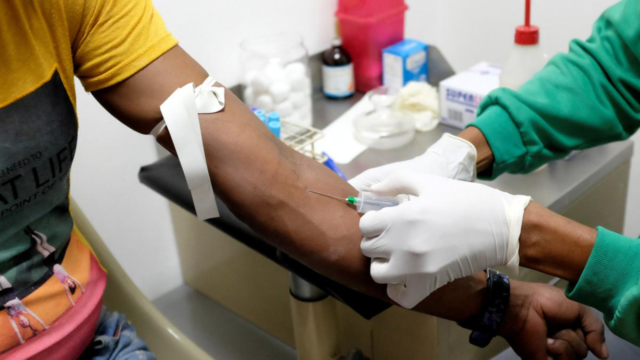
As Fiji confronts a persistent rise in HIV cases, health officials are pushing back against misconceptions surrounding harm reduction strategies like the needle and syringe programme.
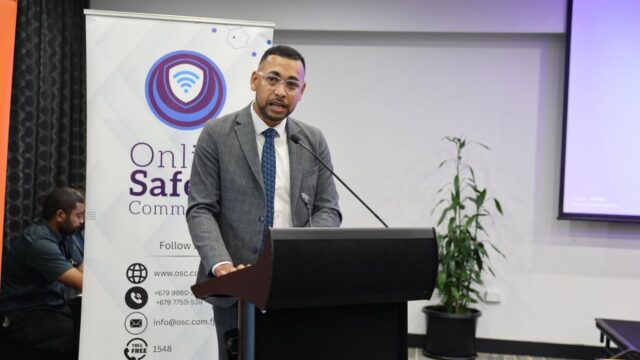
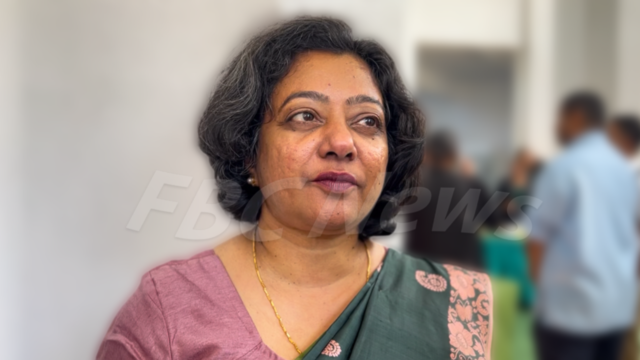
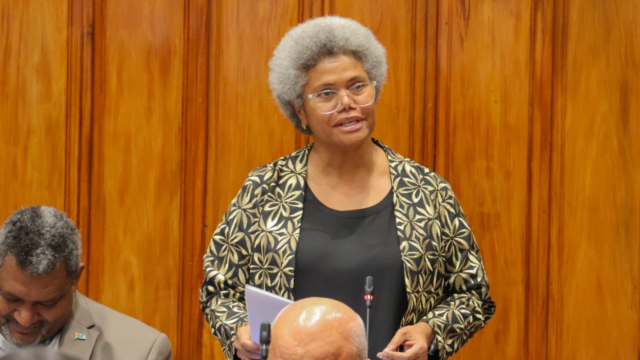
Acting Permanent Secretary for Women and Children Selina Kuruleca says the needle and syringe programme is part of a broader prevention response, emphasizing that it reduces health risks rather than condones drug use.
“The objective is to reduce avoidable harms that affect communities, including HIV transmission, and border public health and safety risks.”
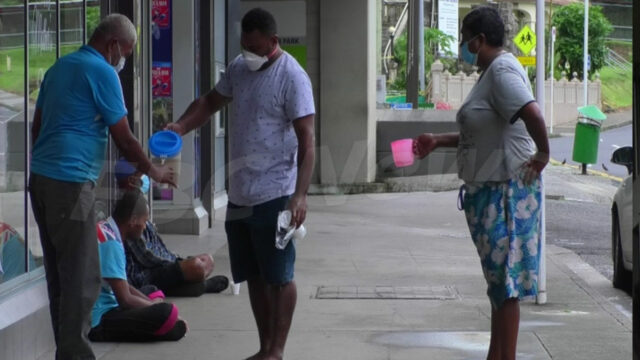
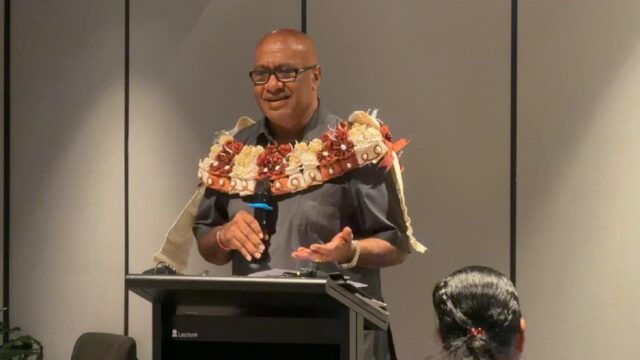
HIV advocate Rebecca Kubunavanua, who has lived with HIV for 20 years, emphasizes that harm reduction focuses on human lives, not statistics.
“When we talk about harm reduction, HIV adherence, and people who inject drugs, we are not simply talking about statistics, policies, or health interventions. We are talking about real people, real lives, families, choices, challenges, and opportunities for support.”
She urges the public to offer support rather than judgment when an individual struggles with treatment adherence.
“When someone is struggling with adherence, we should not immediately ask, why aren’t you taking your medication? We should also ask, what is making it difficult for you to take your medication, and how can we support you?”
Kubunavanua adds that harm reduction empowers individuals to take responsibility for prevention and treatment without shame, reinforcing that a diagnosis does not define a person’s life.