 Riya Bhagwan

[Photo: FILE]
A Ba resident is proposing a fixed seven-year term for Fiji’s Solicitor-General to strengthen accountability and encourage new ideas in the office.
Adi Mere Qica proposes the position to have a seven-year term, with the possibility of reappointment, rather than continuing under the current arrangement, which links the
Solicitor-General’s tenure to that of a High Court judge.
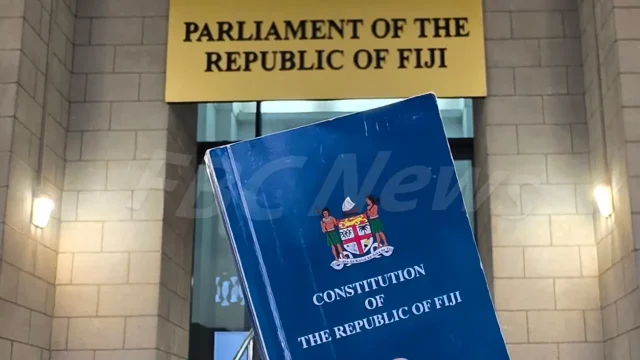
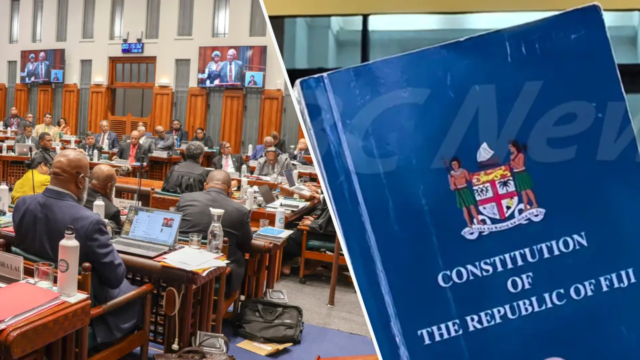
Under the 2013 Constitution, the Solicitor-General provides independent legal advice to Government, prepares draft laws, and represents the State in civil proceedings.
The Constitution also restricts the grounds on which the officeholder can be removed.
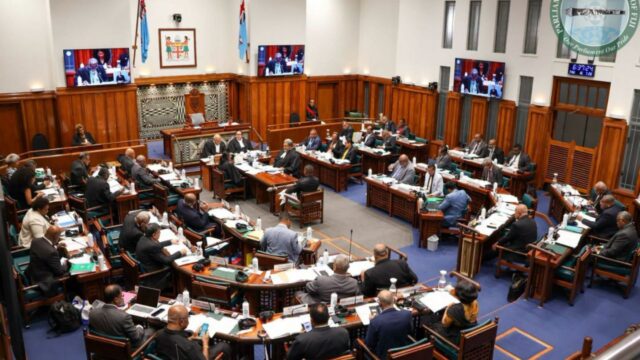
The proposed Constitution (Amendment) Bill 2026 retains the link between the Solicitor-General’s tenure and that of a High Court judge, rather than introducing a fixed seven-year term.
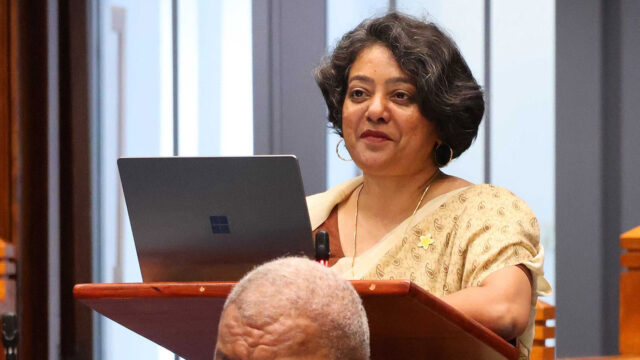
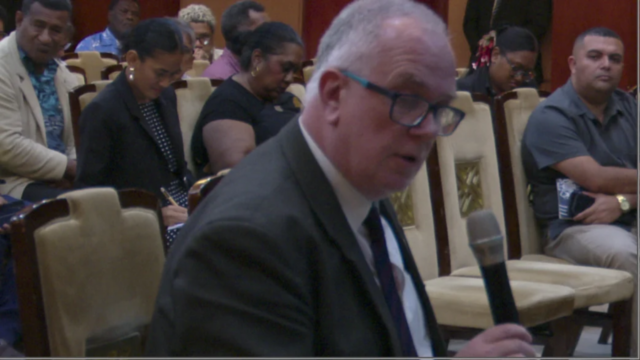
Speaking at the public consultations for the proposed Bill, Qica argued that the Solicitor-General’s role as the Government’s principal legal adviser differs from that of a
High Court judge, whose judicial responsibilities require protection from outside pressure.
She said a fixed term would prevent one person from remaining in the position for decades and allow the office to be reviewed periodically.
“If you were to go back and refer to the 1997 constitution and other earlier arrangements, you would see that the Solicitor General, their term of office was not always long-term. They actually had a fixed term, just like any other legal and senior office. They were treated like the DPP and similar offices, appointed for a fixed term up to 5 years, and usually with an age limit of 65. The Solicitor General has always been the government’s main legal advisor, but this is an executive and advisory role, it is not a judicial one.”
Qica also pointed to the Director of Public Prosecutions, who serves a seven-year term and is eligible for reappointment, arguing that the two senior legal positions should have more consistent tenure arrangements.
She believes the change could strengthen accountability while retaining safeguards against unjustified removal.