 Riya Mala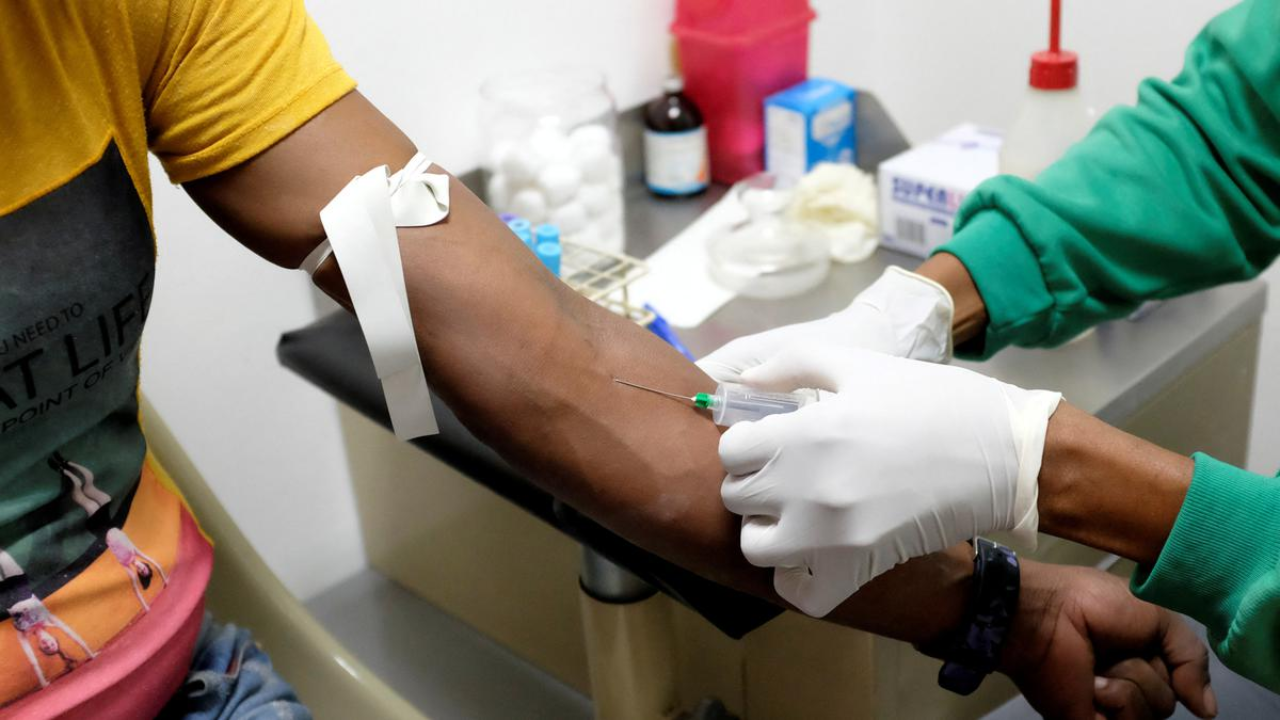
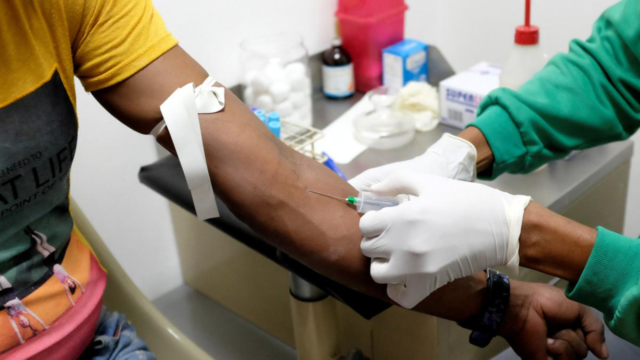
[File Photo]
Concerns are growing that misinformation regarding Fiji’s rising HIV infections is clouding the true causes and potentially weakening the national response.
UNAIDS Country Director Renata Ram states the rise is primarily driven by unsafe injecting drug practices and unprotected sex, rather than widely circulated claims about “bluetoothing.”
Ram adds that health data confirms sharing unsterile needles remains a key transmission route, while inconsistent condom use continues to fuel new infections.
Experts are advocating for a stronger focus on harm reduction – specifically needle and syringe programs – to curb HIV transmission.
“And in terms of Bluetoothing has been proven through a rapid assessment on injecting drug users by the WHO, Kirby Institute, and UNDP, released late last year, that people who use drugs are not necessarily Bluetoothing. This is mainly because Bluetoothing is not effective. If you’re sharing blood, it’s not going to give the expected high. So it is not an effective method. I want to debunk the claim that Bluetoothing is driving HIV cases in Fiji.”
Ram adds that these programs are also seen as critical gateways to testing, treatment, and rehabilitation services, helping connect high-risk individuals with the broader health system.
As infections continue to rise, there are increasing warnings that unless efforts are refocused on the real drivers—unsafe sex and needle sharing—the fight against HIV in Fiji could face serious setbacks.