 Litia Cava
[Photo: FILE]
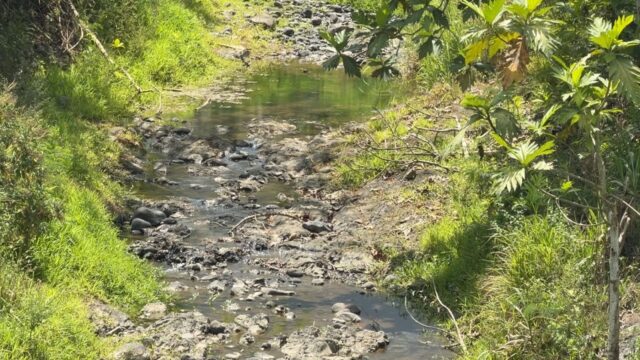
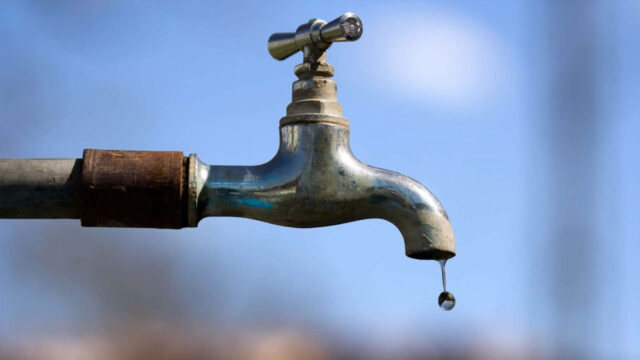
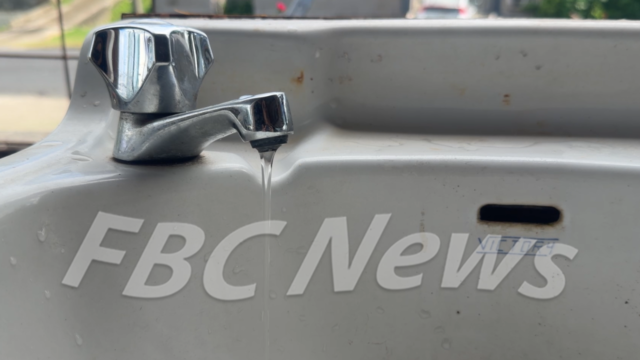
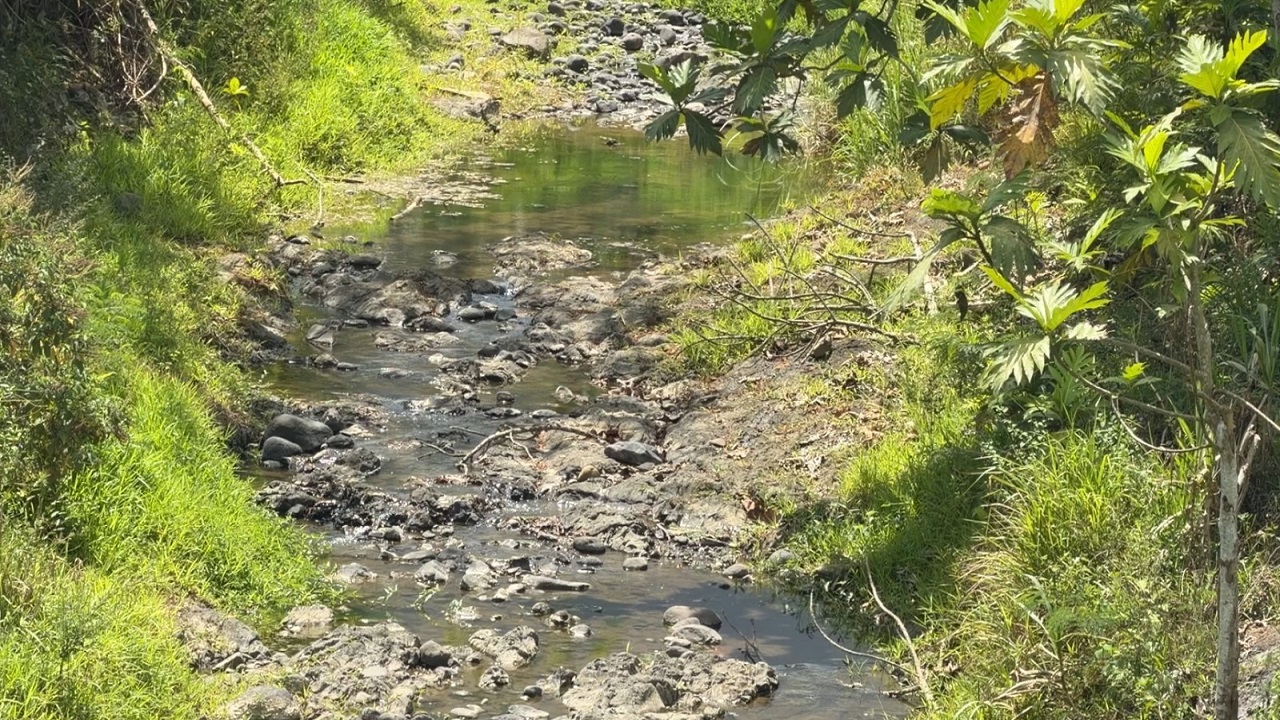
Water shortages could worsen as a developing strong El Niño threatens to prolong dry conditions and delay the onset of the wet season.
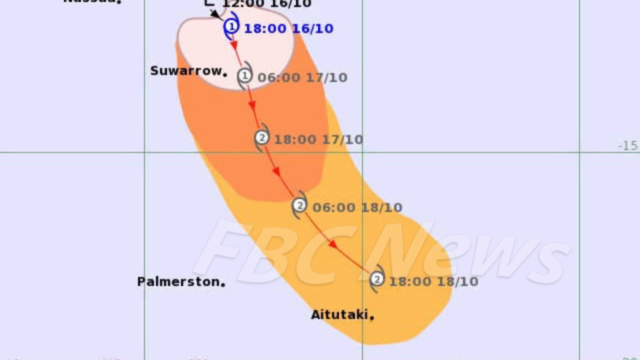
The threat comes as Fiji approaches the November 2026 to April 2027 tropical cyclone season, with communities facing limited rainfall and the risk of severe weather.
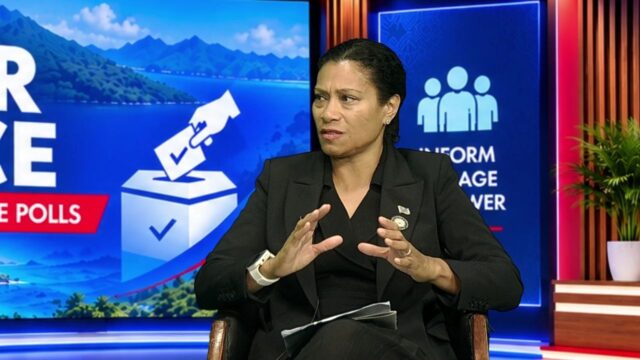
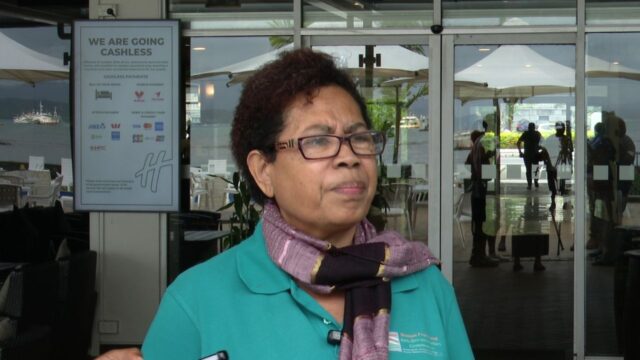
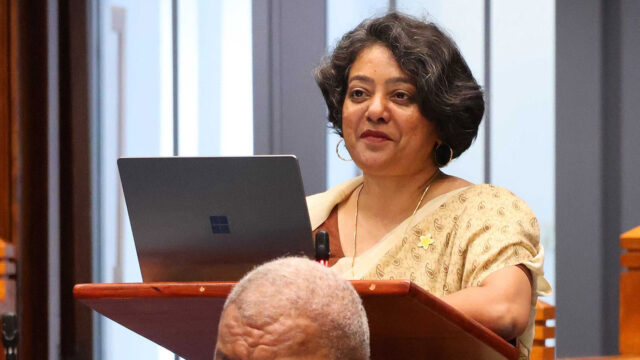
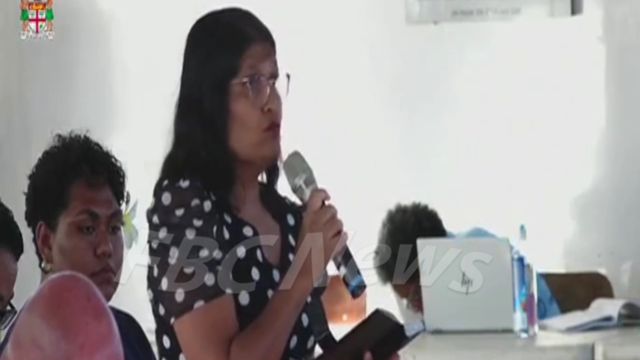
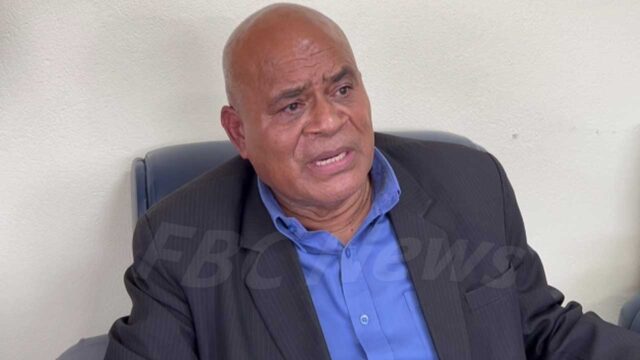
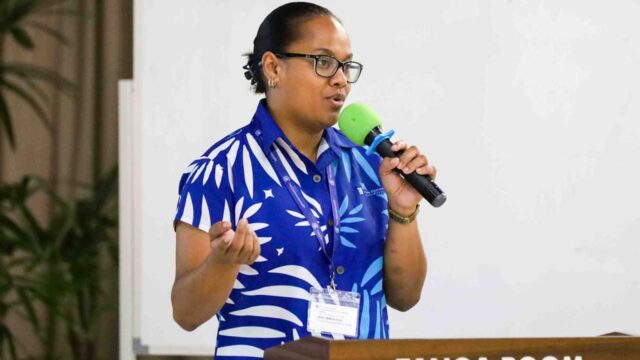
Fiji Meteorological Service Scientific Officer Shweta Shiwangni states the El Niño event is expected to intensify in the coming months, increasing the risk of drier conditions as Fiji enters the November to April cyclone season.
The timing of significant rainfall remains uncertain, with relief dependent on the development of a low-pressure system, depression or tropical disturbance within or near Fiji.
“So currently, we are at a strong El Niño stage that has developed in the tropical Pacific Ocean and in a few months, this El Niño event that is currently established is going to further intensify. So when this El Niño event is going to further intensify, it will bring much drier conditions for Fiji.”
Shiwangni said rainfall towards the end of next month could ease dry conditions in the Western Division, but communities already struggling with water shortages cannot rely on that forecast.
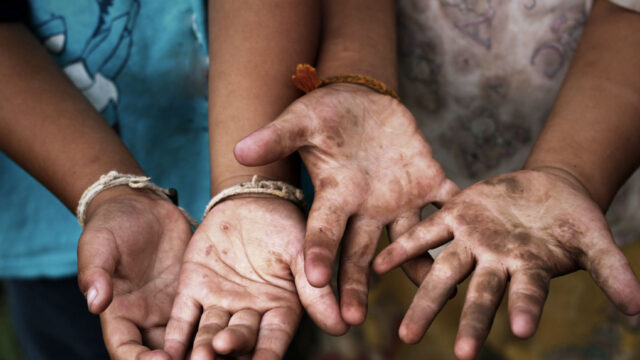
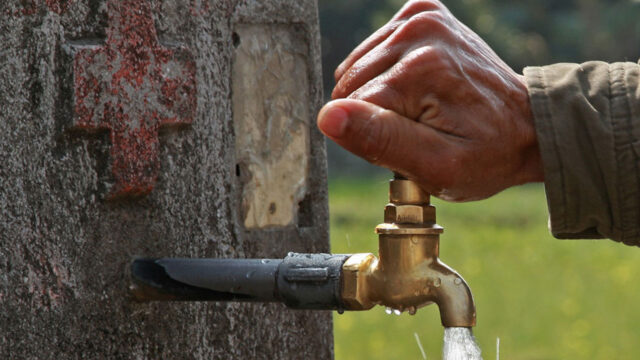
She is urging affected communities to seek water-carting assistance through relevant authorities and collect rainwater wherever possible for household use.
While prolonged dry conditions remain a concern, the cyclone season brings a separate threat.
Fiji is forecast to experience two to three tropical cyclones, with one or two potentially reaching Category Three or higher.
Shiwangni says the Northern and Eastern divisions have historically experienced greater cyclone impacts during El Niño conditions. However, she warns that no community should assume it is safe from destructive winds, heavy rainfall or flooding.
Families are being urged to secure their homes, clear gutters and drains, prepare emergency kits and identify evacuation centres before severe weather develops.
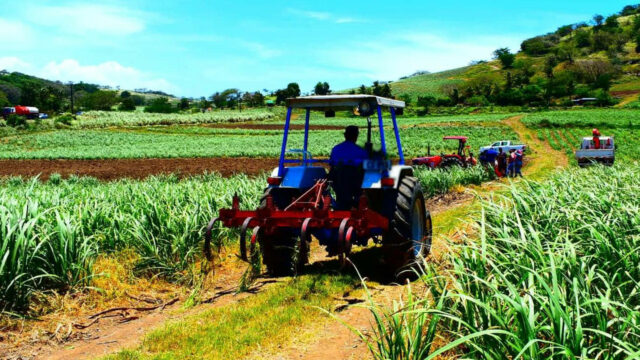
Farmers should move livestock to higher ground when flooding threatens, while businesses in flood-prone areas are being advised to secure their infrastructure.
With rainfall patterns uncertain and the cyclone season approaching, authorities are urging communities to prepare now rather than wait for the first major weather system to develop.